• Skip to main content
  • Skip to footer

The Days Forward

West Point Class of 1969

  • Starting Out
    • Reception Day
    • Making the Cut
    • Becoming a Cadet
    • Where Did They Go?
  • Browse the Stories
    • Authors
    • Map
    • Search
    • Archive
  • Contact

Suzanne Rice

Jul 08 2018

Welcome to the Draft Army – 1970

As a cadet my vision of the Army was based primarily upon interaction with the officers and soldiers at the Academy and those few trainers whom we met during summer training. Needless to say, it was not a representative cross section but how was I to know. I thought that all officers owned lined capes to wear with their mess dress blues!

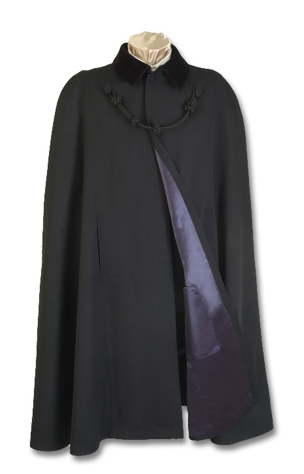
Glenn Harrow
U.S. Army Officers Dress Mess Uniform
Army Dress Mess
Dress Mess Cape

Ranger, Airborne and Engineer Basic provided a little better perspective but not much and so after completing Engineer Officer Basic Course, I was turned loose on U.S. Army Europe’s (USAEUR) 12th Engineer Battalion located in the tiny hamlet of Dexheim, West Germany.

I arrived after my sponsor decided that I really didn’t need to spend the night at the Rhein Main Visiting Officer Quarters, so he pounded on the door and told me we were going to the unit so that I could be at morning formation. A bleary eyed Second Lieutenant Drower finally arrived at his new home about 1:30 in the morning.
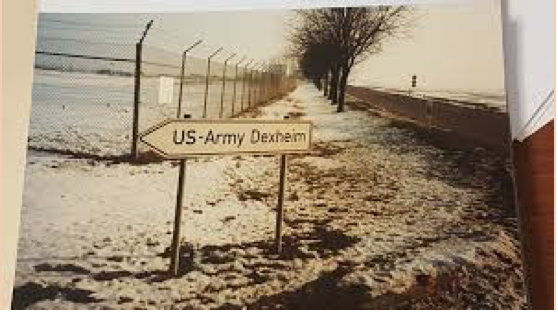
West Point
Sign to Dexheim U.S. Army Bases

The next morning was my introduction to the Vietnam-era Army in Europe and it was a doozy. My suspicions were raised when I attended the morning parade formation. Most platoons in the battalion contained all of 8-10 soldiers vs. the normal complement of 28-30; there were only three Captains in sight. Two of these Captains were company commanders while the other four companies were all commanded by First Lieutenants. Since officers usually came down on orders to Vietnam after 12 months, most of the officers had me by only a couple of months in seniority and experience – it was going to be a case of the blind leading the blind.

I was assigned as Heavy Equipment Platoon Leader but due to low staffing created by the turbulence of Vietnam transfers and enlistment completions, many duties were shared. I found myself in a dusty, windblown Motor Pool reading off the daily preventative maintenance (PM) checks to a line of 5-ton trucks – none of which were assigned to me.
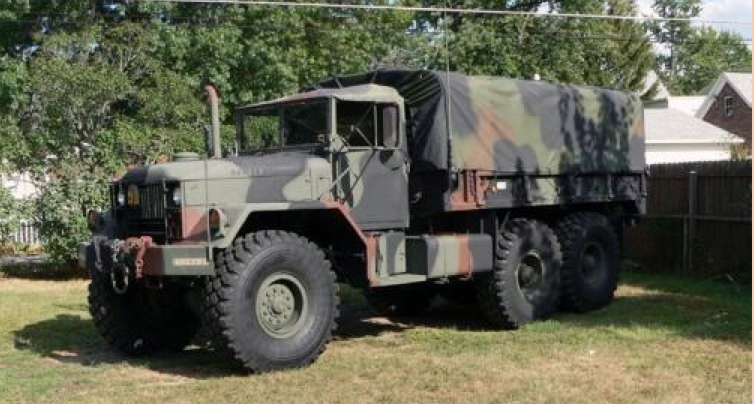
West Point Army Truck
5-ton Army truck

The only problem was that there were drivers for only about 10% of the vehicles and so most of the trucks just sat there accumulating dust. After completing the PM’s, I decided to wander along the lines of trucks and personnel carriers spread around the Motor Pool. I came across 4 troopers in various vehicles, all of whom were well into a marijuana induced nap! I rousted them out and when I reported the incident; I learned that this was a routine occurrence.

My first week came to a fitting conclusion on Saturday afternoon. Instead of turning everyone free, the Battalion Commander decided that the motor pool needed cleaning and everyone turned out with a broom. Unfortunately, the post was surrounded by fields and vineyards. In early March the clouds of dust rolled across the entire post and our cleanup efforts reminded me of King Canute trying to hold back the sea with his raised hand. I couldn’t have invented a better symbol for the frustration of US Army in Europe.

West Point 1969
Dusty Motor Pool

No training at West Point or anywhere else had prepared me for the futility and the frustration of USAREUR in 1970/71. I soon found out that the drug problem was severe and evening barracks checks frequently led to an entrance into a room illuminated by a black light and smoking pipes and other articles piled in the center so that nobody could be linked to them. I was thankful that I was low on the totem pole because I really felt for the poor Battalion Commanders whose careers depended on the efficiency and effectiveness of their units – they didn’t have a chance.

As time went on, staffing levels improved, the Vietnam drawdown meant that experienced officers and non-commissioned officers could stay in the unit for more than 12 months, and tough drug policies began to have a positive effect. I never ceased to get a special feeling when I led my company out the gate on an early morning alert and we would roar thru the local towns. The untiring efforts of officers, NCO’s and many ordinary soldiers turned the 12th Engineers into a very good unit fully capable of carrying out all of our combat engineer missions including bridging the Rhein in conjunction with other engineer battalions. Nevertheless, I will not forget my introduction into the “hollow army” and it is a warning about what can happen when the hierarchy refuses to recognize the reality of budgetary and personnel limitations on real life units.


West point 1969
Crest of the 12th Engineers

Written by Suzanne Rice · Categorized: By Pete Drower

Jul 08 2018

Bridge Over the River Kwai – 1997

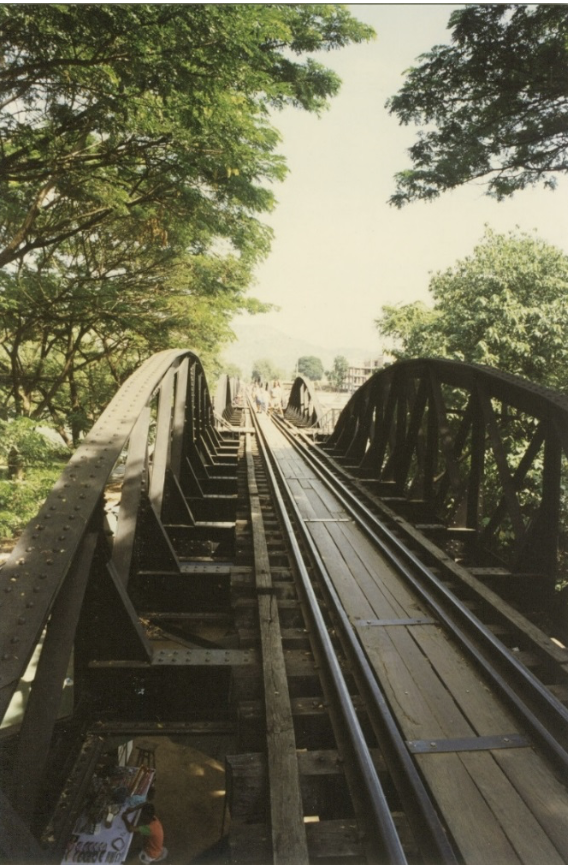
This is a story about when we were in Thailand. It was in 1997 and I was the Westinghouse Country Manager in Bangkok. My wife, Susan, convinced me it would be a lark to visit the Bridge that Spring, (Rainy Season), especially as her mother and cousin Cyndi were visiting us from Florida. The Bridge, long famous to those of us, who either descending from or identifying with Aussie, British, and American forebears, had relatives or known others to have been the unfortunate guests of the Japanese Imperial Army stationed near the Thai village of Kanchanaburi, or Tha Ma Kham in the local dialect. The primary purpose the Japanese sent so many of the Allied prisoners there, and held them, was to construct a major railway bridge over the Mae Khong River, (Khwae Yai), dividing Thailand and Burma, using forced POW labor. It was a project of considerable strategic importance to their war plans to connect Bangkok and Rangoon. The history is quite well known and is described in the 1954 book named after the bridge and made famous by the movie in 1960.

After a drive from Bangkok of some 3 hours or more, we arrived at the famous site, mother- in-law and cousin in tow. Because it was the rainy season, the tourist activity was considerably scarcer than normal. The Thai official posted there and tasked to escort us through and around the site was less than enthusiastic, especially after we woke him from his traditional nap, each afternoon. After trudging through the prison barracks and tiring from our attempts to translate the bits of information the official offered, my mother-in-law asked if we could get a better look at the auspiciously famous steel trestle bridge. After all, it was our raison d’etre.

Thailand
Bridge With Train Crossing the River Kwai

The Bridge was designed for rail traffic only, and the small gauge track was supported by two towers with steel railings spanning the approximate sixty-meter width of the river and which elevated to crossing about twelve meters above the water at the center. Well, my Susan’s mother is quite a gal, having grown up on a farm in lower Covington County, Ala. and no stranger to railroads, bridges, and…adventure. She asked, ‘“Can people walk across?” Although not designed primarily for foot traffic, such a bridge can accommodate foot traffic as long as the walkers stay in single file and step carefully along the metal road bed railings which parallel the tracks. Our official mumbled the equivalent of “Be my guest” or similar. Having the distinction of being “her favorite son-in-law”, I had no choice but to say “follow me, but remain close and do only as I do”. Apparently, Susan’s mom had observed that the track surfaces were still “shiney”, something I either didn’t note or chose to ignore much to my later regrets. Consequently, I still hear this point repeated over and over in the retelling of this story all these years later.

As luck would have it, we reached center span and were taking in the famous perspective, when

West Point Thailand
Precarious Crossing Without a Train

we ominously heard the distinct sound of a steam whistle blowing, followed by the sight of a steam engine passenger train about to cross in our direction. Well, Susan, Mother, and I, (Cousin Cyndi had wisely declined that part of the venture!), had some quick thinking to do. Susan proceeded to ask, “Joe, what are you going to do?” For those familiar with the children’s song “Bill Grogan’s Goat”, you might suggest that we flag down the train, but, I had no red shirt and well, this was Thailand and I knew better than to even try. Jumping was out of the question, for Sue and Mom certainly, although alone, I just might have. I instructed them to stand behind me and hold on tight, motorcycle fashion, to the outside on the widest part of the rail border, no more than two feet wide. As the train went by us at nominal speed with the windows to the passenger section lowered so that dumbfounded passengers were able to gawk at me and my charges, our noses less than a few inches apart from each other. Sides of the passenger car bumped my arms now and then but miraculously the entire event transpired without calamity. Upon regaining our composure, we backtracked our steps to where we started. Susan, far more fluent in Thai than me, launched into a demand for an explanation from our still disinterested but slightly bemused Official. After a few characteristic gestures he responded with what is familiarly recognized and often accompanied by a shrug, “Mai pen rai!” (Never Mind!)

The Days Forward | West Point
Gelineau Family Having Survived Their Harrowing Experience

Written by Suzanne Rice · Categorized: By Joseph C. Gelineau

Jun 02 2018

The Vacuum Cleaner – 1974

My expensive, modern vacuum cleaner quit working a short time before guests were arriving to celebrate Christmas, 2016. What to do now – no time for repairs; it was just about time to leave for the airport. There is another, old vacuum cleaner in the back of the closet. I should just get it out to see if it still worked. Instead, I ran to the airport without vacuuming at all! This incident reminded me how we got the old vacuum cleaner.
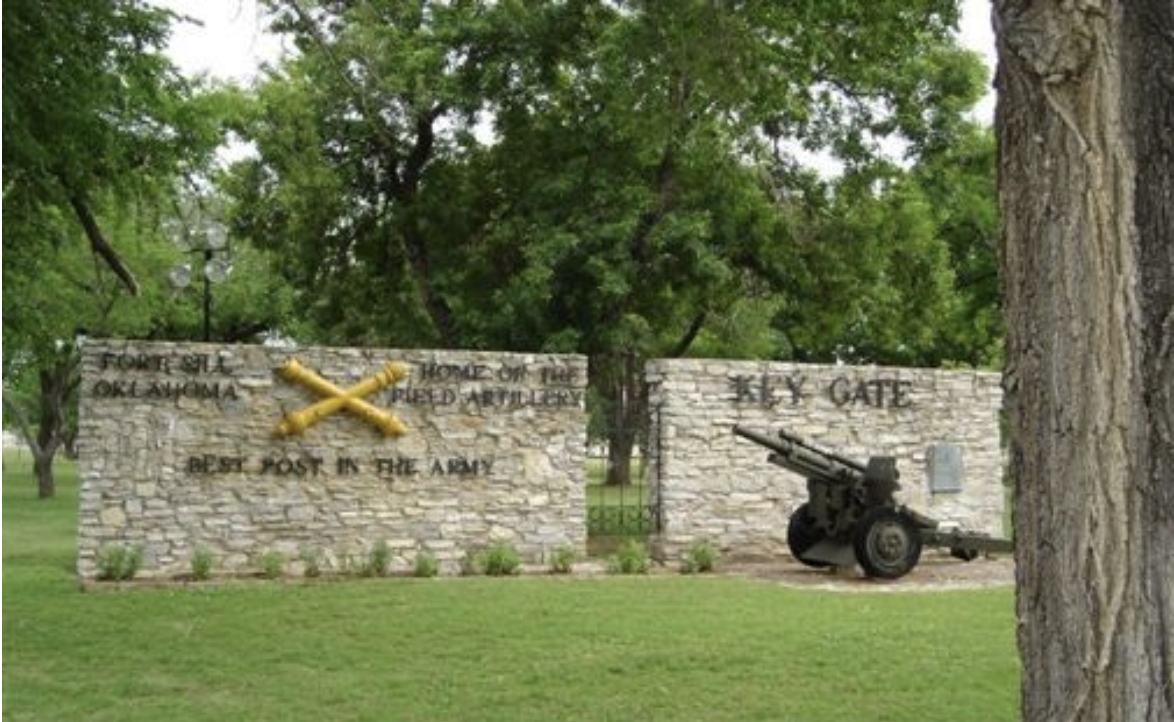
In 1973, Bill (now an Army Captain) and I had just returned to the United States from Camp Stanley, South Korea, arriving at Ft. Sill, Oklahoma so that Bill could attend the Field Artillery Advanced Course. Along with many of his West Point classmates and their families, we were assigned to live on Snow Road in Artillery Village and surrounded by old friends from earlier assignments. It was a great place to be. Until that move, I was a skeptical, new Army wife. In our two years of married life, we have already moved three times. I asked how it was possible to survive when we would just make friends and then must leave them. Would that be our fate forever? It was at Ft. Sill that I learned that the Army is just a large family – we could keep up with those we had left behind but could also make new friends. It was at Ft. Sill that some old friends from earlier assignments started to re-appear again and it was wonderful to see them and renew our friendships. This reminded me of the old Girl Scout adage: “Make new friends but keep the old. One is silver and the other gold.” All precious.
Most married students attending the Field Artillery Advanced Course lived in Artillery Village. The single officers lived in many different off-post apartment complexes. At the time, it was easy to get onto Ft. Sill – there was no ID check or manned guard post. Just slow down and then sail through to Snow Road which was close to one of the Main Gates.

Key Gate at Fort Sill

It may have been necessary for salesmen to register at the Post Headquarters, but it was very easy for them to contact those living on post. Artillery Village was a convenient place to live during the nine-month course; the men could carpool (refer to George Coan’s Diary of a Carpool – https://thedaysforward.com/the-diary-of-a-car-pool/) to class and the wives only had to walk next door or down the street to find an old friend or make a new one. Perhaps, like officers attending other branch Advanced Courses (Infantry, Engineer, Armor, etc.), we received many invitations to events from financial planners and other vendors. As 20-somethings, many with young children or newly married, we were the perfect demographic for many of these companies and salesmen. Many of the students had been either in Vietnam, Germany or Korea and were glad to be back in the U.S. and needed furniture, home goods and advice! Some of these presentations included a nice dinner to attract us and some even wanted entrepreneurs/investors to work alongside the salesmen – maybe, they were trying to recruit some of the officers who could leave the Army in a year or two. Bill and I attended several of these presentations, but didn’t make any purchases, though we did listen to the financial planners and retirement experts and met with them personally at our home after the group presentations. Once, we received an invitation to go to a local hotel to meet with vendors that offered us great deals (!) on furniture, pots and pans, fine china and other household goods. They tempted us with claims of unbreakable china (such ugly patterns) and guarantees for lifetime use for some the goods. We often wondered if others went to that spectacle and if anyone purchased. We were a bit proud of ourselves for not falling prey to the high-powered sales pitches – after all, we needed a lot of the items offered for sale!
One day, a knock came on our duplex door. It was a man who wanted to show us his wares – he was a vacuum cleaner salesman. We didn’t have a good vacuum cleaner yet, since we had spent the first years of our marriage out of the country – first in Germany (with different electric current and electric plugs those appliances were left in Germany) and then, in Korea where we lived in a Korean home that came with a maid to take care of all the necessary cleaning. “Sure, why don’t you come in?” The salesman gave his most compelling pitch (“It is a wet and dry vacuum, has a floor polishing attachment, very powerful engine, large capacity cannister, double filtration system” and on and on.) and we were impressed.

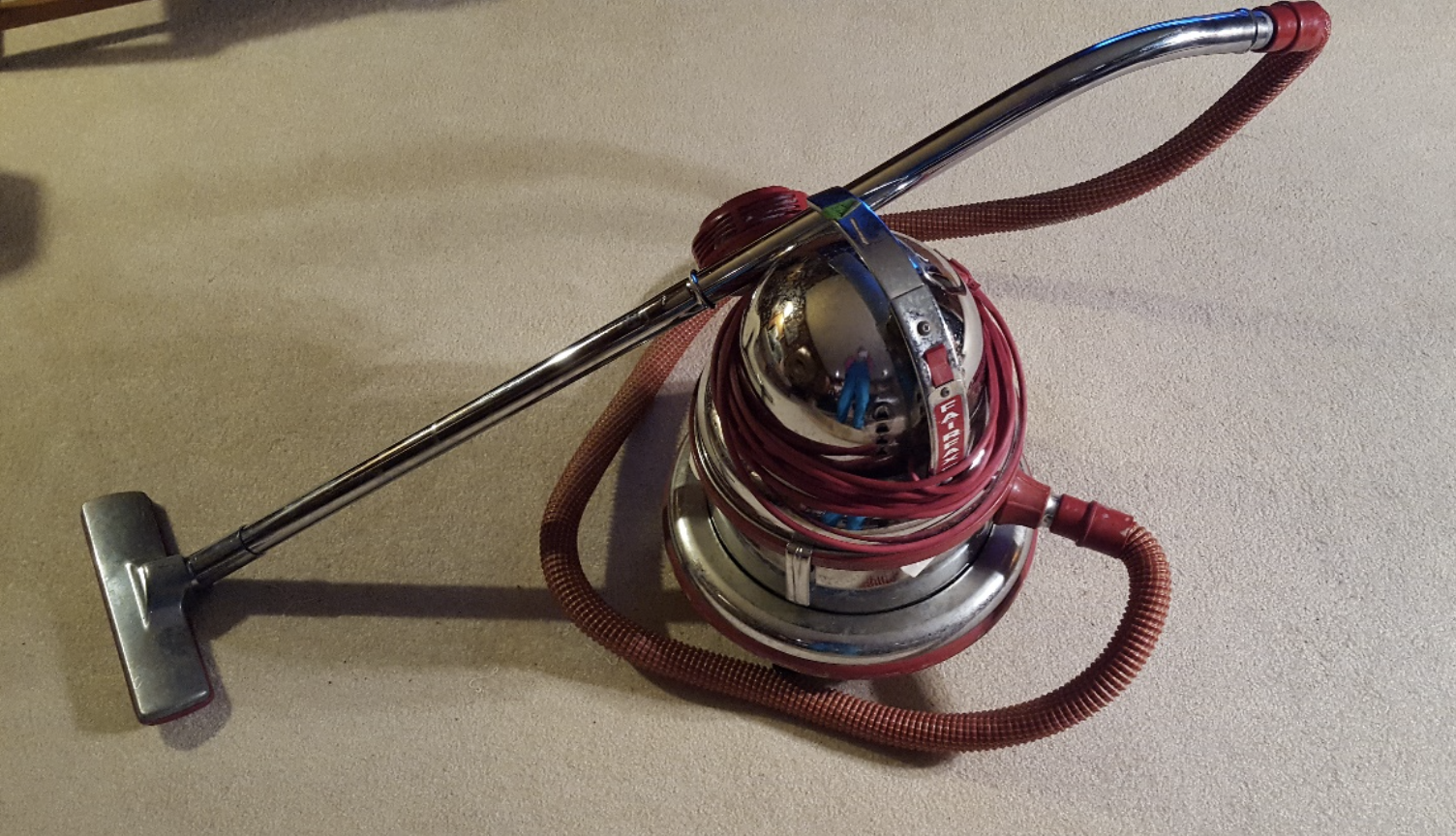
Vacuum with Attachments

It would be a large purchase, but it was one that we thought we might be able to afford – after all, he said it would last a lifetime. What a good investment! But, we needed to think about it.
In a day or two, when the salesman came back for a follow-up visit, he chatted with us. It seems the company headquarters was in St. Louis, Missouri, Bill’s hometown. That made us more comfortable with the idea of that large purchase – still, so expensive…Then, the salesman mentioned that his training was done in St. Louis where he met the President of the company. Bill couldn’t believe his ears. The owner of the company was the father of one of his high school classmates at Southwest High School. In fact, he and a friend spent one summer doing yard work at that very man’s St. Louis County mansion. When he was the lawn-boy that summer, Bill knew that the man was well-to-do – he paid two of them to work there all summer, but he had no idea he had worked for the man behind the FAIRFAX vacuum cleaner we were thinking of buying (who cared about vacuum cleaners at fifteen years old??). Well, that settled the deal – SOLD; we were buying this expensive vacuum from a friend! I am not sure if we were the only gullible couple that fell for the sales pitch, but the salesman was right – it has lasted a lifetime. The FAIRFAX still works after 43 years, lasting about 25 years longer than the other modern, and, also very expensive and, now useless, vacuum cleaner – even if it has been stuck in the back of the closet for many years!
Time to sweep the carpet.
(Follow-up: The ancient vacuum cleaner, pulled from the back of the closet, still worked perfectly more than 40 years later. In fact, it cleaned better than the expensive, modern vacuum. Why had I stopped using it? It is heavy, awkward and unwieldy to pull all around the house and up the stairs. Our children called it the “spaceship”. No matter its appearance, it worked beautifully and continues to work so many years later. Maybe, it wasn’t such a bad purchase after all!)

The Fairfax “Spaceship”

Written by Suzanne Rice · Categorized: By Suzanne Rice

Jun 01 2018

Brush With History 1981

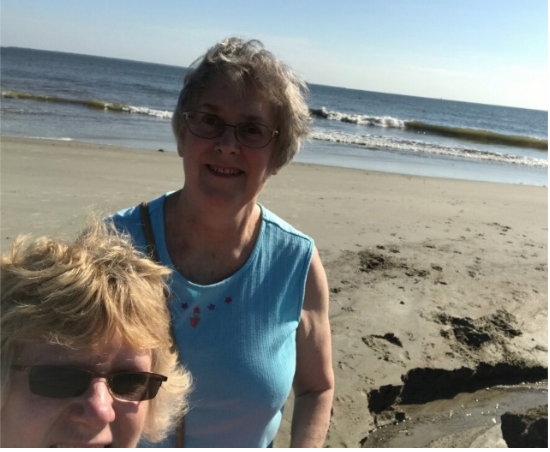
I met my sister bright and early at 8 a.m. at Atlanta Hartsfield International Airport for our first ever Sister’s Week in Georgia. She left Southern Illinois, her

Tybee Island
Sisters at Tybee Beach

husband and two sons at 5 a.m. and we were setting out on a fun adventure together. We planned to drive directly from the Atlanta airport to Savannah to sightsee a bit and to visit the Mighty 8th Air Force Museum to try to figure out what our father had done when he served in the 8th Air Force during WWII. The normally quick trip (4 hours) turned into a 6-hour trip since we were behind a gigantic traffic jam that delayed our plan to get to Savannah for a lunch on the beach! We grabbed a very late lunch but had no time for sightseeing. We had a dinner invitation with Sally and Eric Robyn (https://thedaysforward.com/colonel-eric-robyn/  and  https://thedaysforward.com/sally-robyn/ )  which was the highlight for that day.

Field Trip Tybee
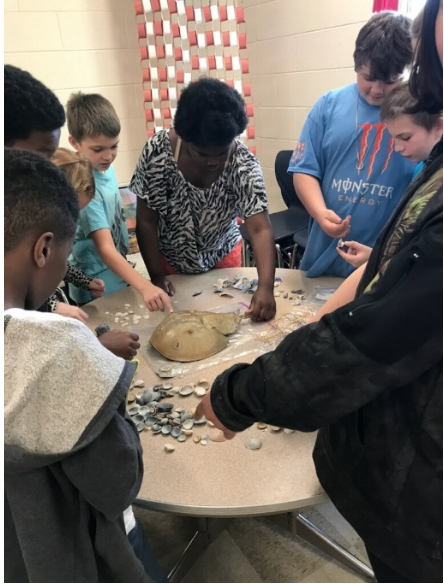
Students at Centralia Junior High Examining Seashells from Tybee Island

The next morning, we set out for Tybee Island for a quick sunrise walk on the beach which offered special surprises for us – being alone on the beach, we found lots of shells, some amazingly colorful seaweed (orange and pink – we first thought it was tangled electrical wire trashed on the seashore) and a gigantic horseshoe crab shell. She would take these jewels of the sea back to Illinois to show her students in the Fall.

We brushed off the sand and headed to the Museum. We went directly to the Museum Research Library to which I had been before looking for information. I knew that our Dad had been in Africa and ultimately stationed at Hethel Air Field in Norwich, England – I had even taken a trip to England as a graduation present to myself in 1969 to see where my father had been and to try to find some of the English people that had been so kind to him. He had put me to sleep as a small child with stories of some of his adventures in England and Scotland, but he never told me what his job was – was it still secret?
The staff at the Research Library is always delighted when family members come to share stories or memorabilia, so we had a wonderful visit with them and they brought out books and did some research for us. They directed us back downstairs into the museum to read and look over some displays that might help us figure out what our Dad did. Our uncle and our brother had differing ideas about what Tech Sergeant Smith had been doing at Hethel in the 389th Bomb Group, “The Sky Scorpions” – besides the fact that our Dad said he stowed away on an Air Force plane that made 5 flights over the over France on D-Day; he wanted to be a part of the epic invasion. Was that possible?
We made a second trip back up to the Research Library to try to make sense of what we had seen in the museum. We were in the midst of that conversation when a man in a flowered Hawaiian shirt came strolling into the library. My sister and I assumed he was just another tourist like us. Instead, the research librarian whispered to my sister that he had been POW in Iran in 1979 and was a volunteer historian at the museum – perhaps, he could answer some of our questions. She called him over to introduce us. Memories came flooding back to my mind.

Iran Hostage Bus
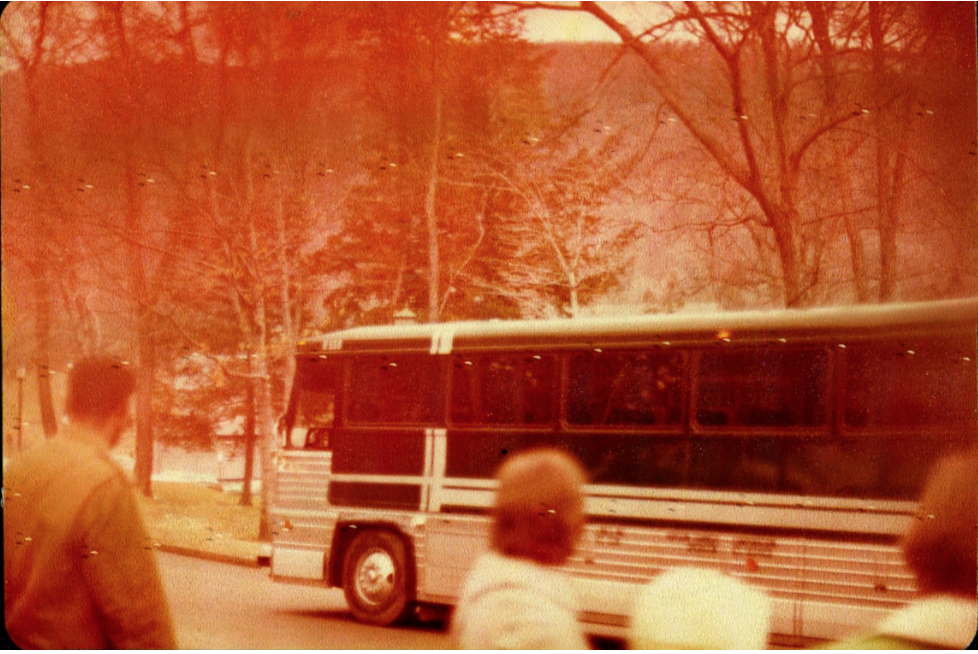
Iran Hostages on the Bus Nearing West Point

As soon as the introductions between us and Bill Daugherty were done, I blurted out that his first step back on U. S. soil was at Stewart Army Air Field on 26 January 1981. Surprised, he agreed. I, then, said that he had taken a bus drive to West Point. Again, he agreed.

By this time, he was wondering about me – I had been there. He was, then, delighted (or so it seemed) to hear the rest of my story.
Like all Americans, the Rice family had been watching the Iran hostage crisis since November 1979 and praying for the hostages. It was with the same delight as all Americans that we learned the news that the hostages had been released on January 20, 1981 and were coming home! We were more delighted when we learned that West Point had been selected as the place to which the hostages and their families would come for a week of reunions and recuperation. Bill was a “P” (teacher at West Point) in the Math Department at the United States Military Academy at West Point. Could we get a glimpse of them?

Iran Hostage
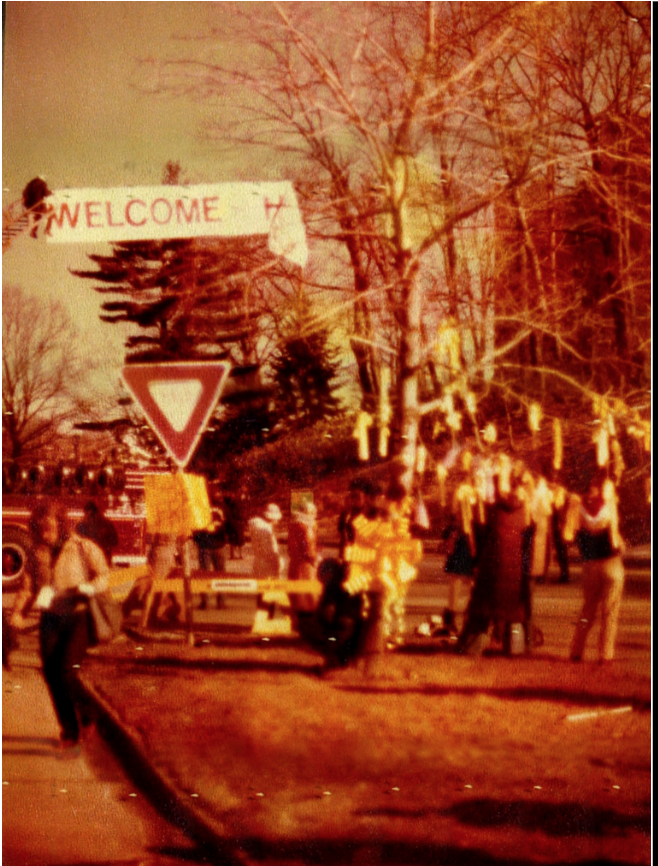
Yellow Ribbons to welcome the Iranian Hostages

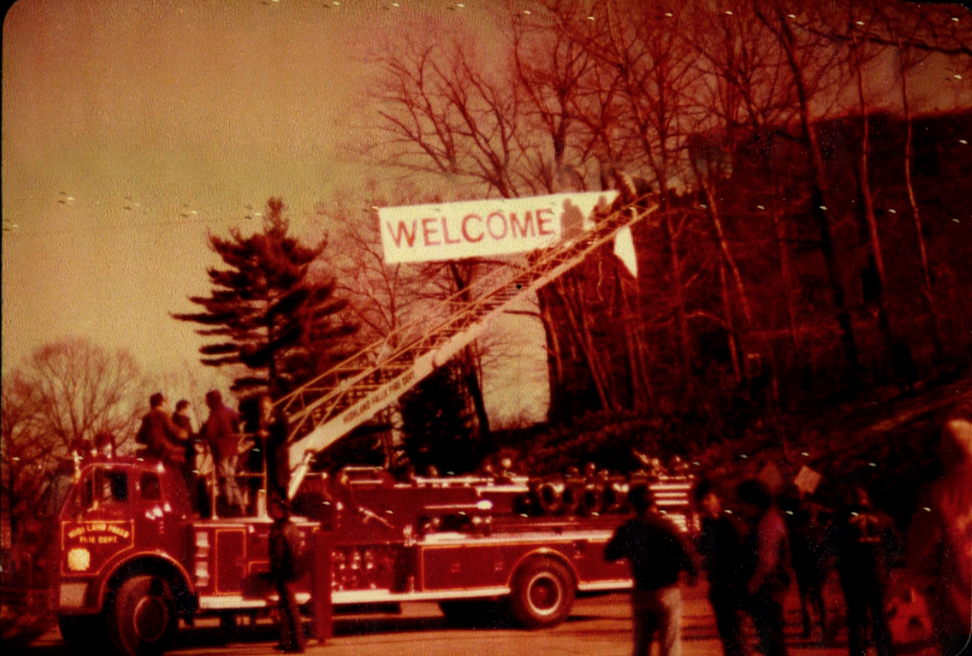
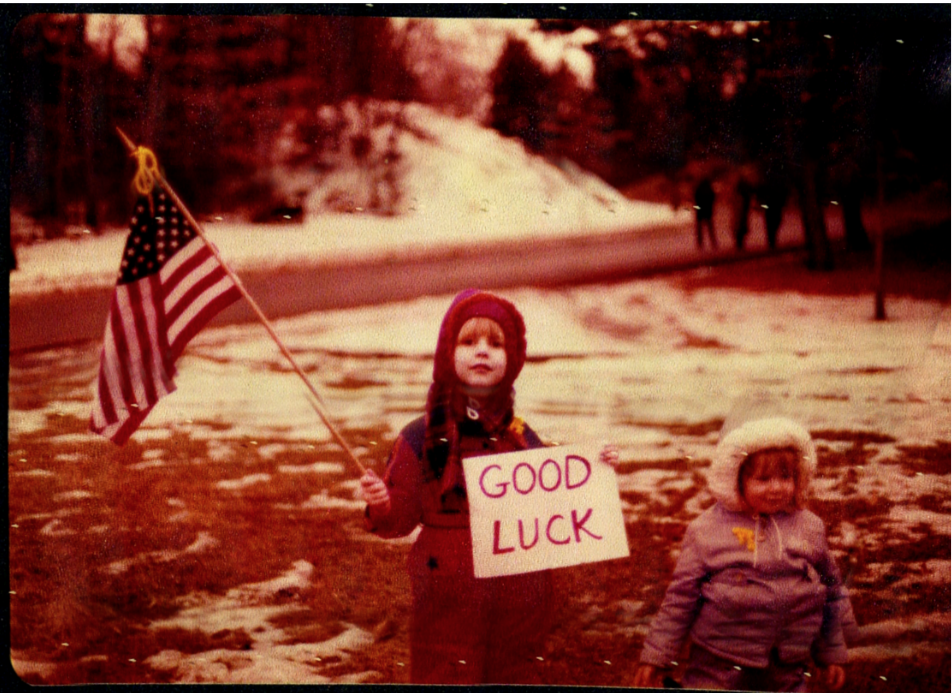
West Point is 50 miles from New York City, even so, somewhat isolated in the Hudson Highlands of Orange County. This is one of the reasons that West Point was chosen for the family reunions and privacy the hostages needed. They would be flown into Stewart Field in Newburgh, board buses to cross Storm King Mountain and arrive at West Point where they could rest and relax in the quiet of the beauty of West Point. The local community wanted to do something to welcome them, so crowds of people lined the streets with signs, flags and banners.

Preparing a Welcome Home Sign in Highland Falls, NY

The Rice family took off from our quarters in Grey Ghost on the morning of their return to find the best place to see the buses as they drove past. We were looking for a place where we could have room and safety for our four-year-old and sixteen-month-old daughters. As we drove 9W across the mountain, we saw people everywhere with flags, large and small, and signs of welcome, but no place likely to keep the girls occupied or safe on a cold, but sunny January day. Instead, we drove back to Highland Falls to find a place on the street where we could duck into a shop or restaurant if the girls got cold or the hostages were late.

It was exciting to get a glimpse of the buses when the hostages arrived in Highland Falls, but it was over in a second! It was still an amazing experience to be a tiny part of that historical event for our Country. And even more amazing to meet one of the brave hostages so many years later. What an honor.

And later…
We never did figure out exactly what our Dad did in Hethel – he had been trained as an Air Force radio operator, but when it was discovered that he could type, he was whisked into a different position, maybe a cryptographer. We didn’t figure out if it was even possible for him to have stowed away on D-Day (From the information we learned from Bill Daugherty, we believe he may have been on board, not officially on a roster, but not a secret from the pilot and crew). Little did we know that the Sister Week held more surprises for us. After a few days with me in Peachtree City, my sister was to go to see our brother in Marietta. She did just that, but on the first day of their visit, she got a call from home – her husband, a carpenter, was at work that Monday when he fell off the roof he was working on and had been life-flighted to the hospital in St. Louis. He might have broken his neck, head injuries, other broken bones???? How fast could we get there? We worried the whole time we were driving, but by the time we got to St. Louis University Hospital, all the worst of the outcomes had been ruled out. He had a broken pelvis and 5 broken ribs and would recover – he was home recovering for over six months, but he is now back to work – avoiding roofs as much as possible. Thank the good Lord.

the days forward
Celebrating the Return of the Hostages

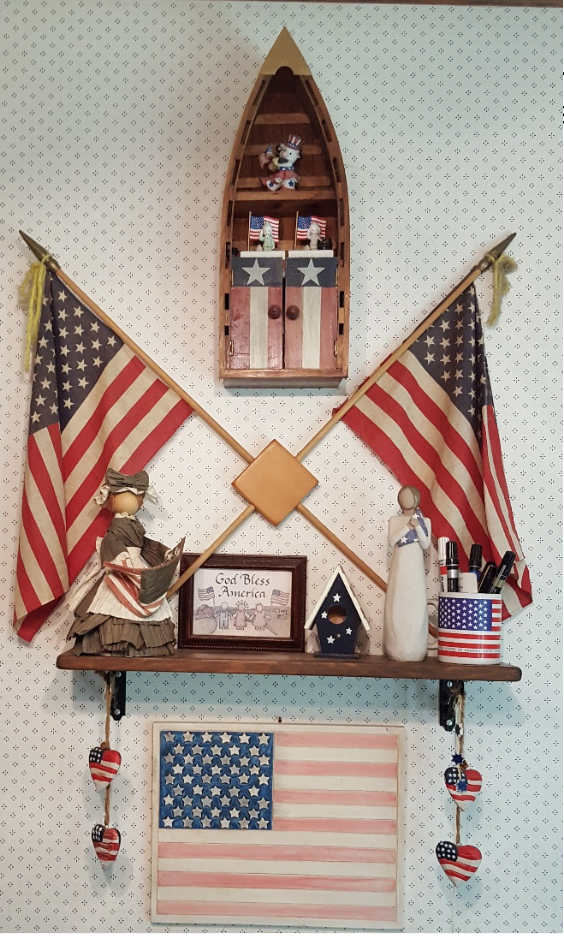
In 1981, we were so delighted with our little brush with history that Bill wanted to preserve the flags that the girls waved on January 26 at West Point, so he attached them together and they have been hanging in our home ever since.

If you would like to know more about Bill Daugherty, Third Secretary of the U. S. Mission in Iran (CIA officer), you can check out his book: In the Shadow of the Ayatollah: A CIA Hostage in Iran.

This story is directly connected to “Birth of the Night Stalkers”. Click the button to read that story.

Night Stalkers

Welcome Home Flags in the Rice Home

Written by Suzanne Rice · Categorized: By Suzanne Rice

May 09 2018

A Warrior Remembered 1971

In recognition of Memorial Day, I reviewed the list of fallen classmates we lost in Vietnam. While many of the names I recognized and can say that I knew several of them, I was not confronted with losing a company mate or close friend from my academy days. However, there is one name that stands out and it is James “Woody” Woodrum. Although Woody and I were in the same Battalion at the Academy, I do not recall any classes or activities we shared—he was probably smarter and did not have to endure the high numbered sections where many of us on the lower end of the academic order of merit took up residence!

Ft. Lewis, WA
Gate of Ft. Lewis

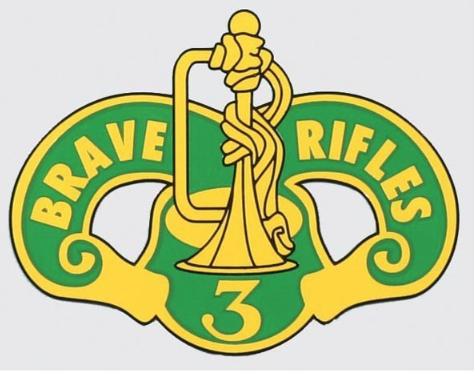
However, Woody and I were assigned initially to the same Squadron of the 3rd Armored Cavalry Regiment at Fort Lewis, WA he to command a platoon and I to the Howitzer Battery as the Assistant Executive Officer (XO)/Fire Direction Officer and then as the XO.

Ft. Lewis
Third Armored Cavalry Regiment Crest

Woody was on one of those short tours to prep him for Vietnam, his personal goal to deploy there and serve as soon as possible. I was on a regular tour that would end a bit early, and I would deploy later. Woody had a young lady, Pat, who hailed from the Central Valley, N.Y. area or thereabouts, close to the Academy. Shortly after being assigned to Fort Lewis, they decided she would join him until it was time for him to go overseas. My wife then, Diane, and I were living in a pleasant apartment complex in Lacey, WA, and we convinced Woody that he and Pat should get a unit there, which they did. Pat and Woody were married before he deployed, and Diane and I had the privilege of standing up for them at that ceremony. The four of us became quite close friends during the several months they were together. It was not much longer before he departed to fulfill his career goal and Pat returned to New York. Several months later I found out that Woody had been killed in Vietnam; of course, it was before the days of email and social media, so I still wonder how I learned of his demise, perhaps a phone call or note from a classmate or an Army Times notice. I was acting Battery Commander still at Ft. Lewis at the time and passed this information on at the next Command and Staff meeting. I still recall the Squadron Commander rather than leading us all in reflecting on his passing, he semi-admonished me by saying we should not be putting out this kind of information without some official confirmation. But that is another story about this commander and his strange leadership style. Woody was one of the most positive and gung-ho officers I had the pleasure of knowing and I am sure he served his troops and comrades well in Vietnam. His loss, as many of our classmates and soldiers in general, is a tragedy that tugs at my heart strings even today.

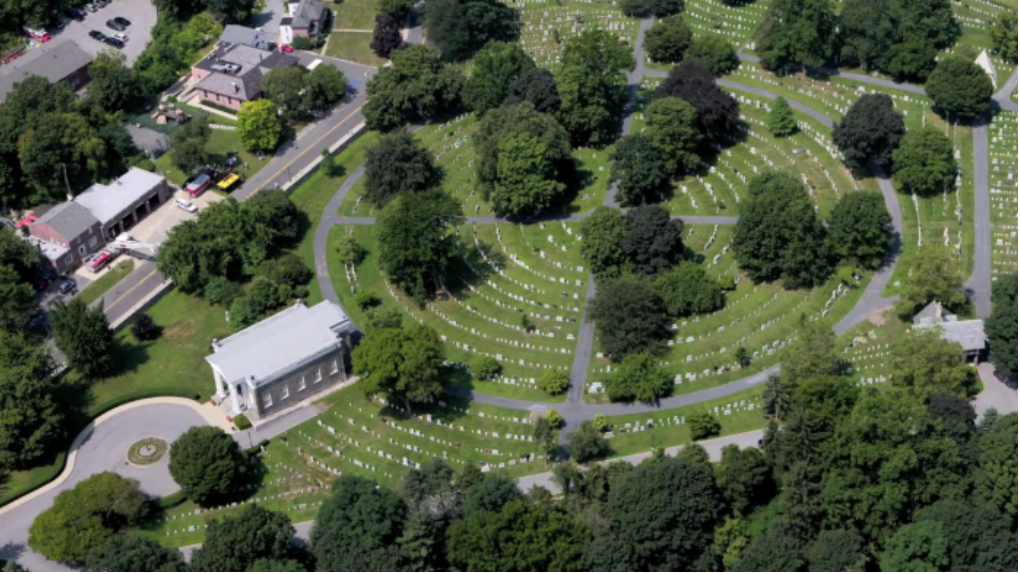
Woody’s Final Resting Place – West Point Cemetery

Woody is buried at West Point and I visited his grave during one of our reunions. Unfortunately, we did not keep contact with Pat so I am not sure what her life became after losing such a loving spouse. On this and every Memorial Day, I shall reflect on the loss of all from the Class of 69 during that conflict but will especially have Woody in my thoughts and prayers.

John Woodrum JohnyIn Memoriam
John J. “Woody” Woodrum
1947-1971

Written by Suzanne Rice · Categorized: By Thomas Mastaglio

  • « Go to Previous Page
  • Page 1
  • Interim pages omitted …
  • Page 45
  • Page 46
  • Page 47
  • Page 48
  • Page 49
  • Go to Next Page »

Footer

Historians and other inquiries.

Submit a Form

Join our community.
Subscribe to Our Bulletin

Copyright © 2026 · Site by RK Studios