• Skip to main content
  • Skip to footer

The Days Forward

West Point Class of 1969

  • Starting Out
    • Reception Day
    • Making the Cut
    • Becoming a Cadet
    • Where Did They Go?
  • Browse the Stories
    • Authors
    • Map
    • Search
    • Archive
  • Contact

By Bruce Wheeler

Nov 13 2025

General MacArthur, Two-part Authentication and Army Football – 2008

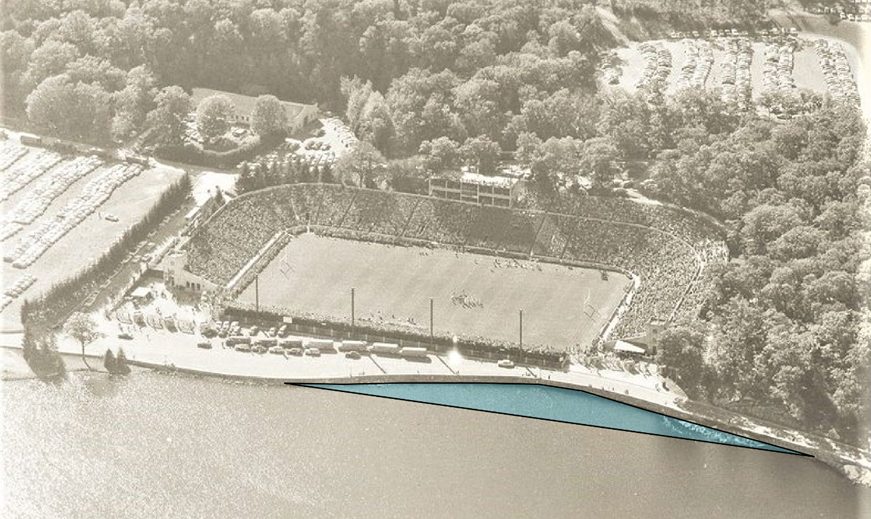
     In 1957 and 1958 my family saw many Army football games at Michie Stadium. My father had classmates from VPI (Virginia Polytechnic Institute), now Virginia Tech who then attended West Point and graduated in about 1944 and were living in the Lee housing area in the late 1950s. We would come up on Saturday morning from Long Island for the parade and football game sitting in the bleachers with the “army brats“ (children of staff and faculty). I was about 11 1/2 at that time and afterwards some of the kids and I would sneak down to Flirtation Walk to harass cadets and their dates. The next morning, we would go to Sunday school with cadet instructors.

Flirtation Walk at West Point

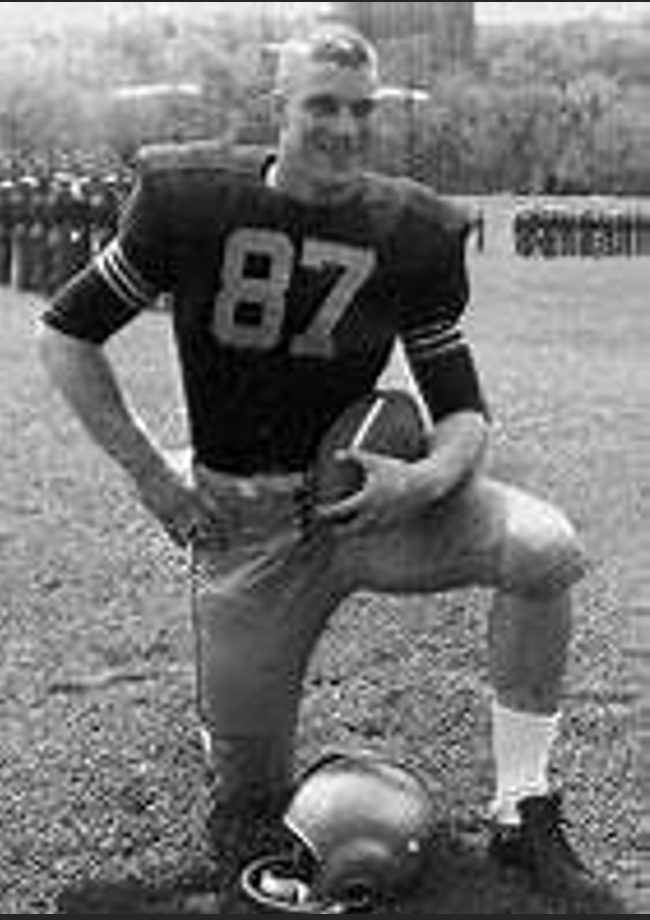
    Pete Dawkins, class of 1959, was halfback of the 1958 Army football team prior to teaching some of us in the national security seminar as Cows and Firsties (juniors and seniors) at West Point. Bill Carpenter, class of 1960, was the lonesome end on the same team not going to the huddle between plays. Many wondered how he knew what route to run. How was he getting signals? Some hypothesized that the quarterback’s foot position had something to do with the signal.

     In 2008, the inaugural John Feagin Leadership Seminar was inaugurated named for John Feagin who was the second doctor to have attended West Point and become a surgeon. He was the orthopedic surgeon who took care of Coach K and many of us as cadets at West Point. In his honor the Feagin Leadership Seminar was established at the Duke University Fuqua School of Business. ( A Tribute to Army Docs – 1995 – The Days Forward ) Coach K, Pete Dawkins, and others were featured speakers that year.  That afternoon, some of us were in a stadium box at Wade Stadium at Duke watching the Duke football game. I asked Pete Dawkins how Carpenter, the lonesome end, got his signals.
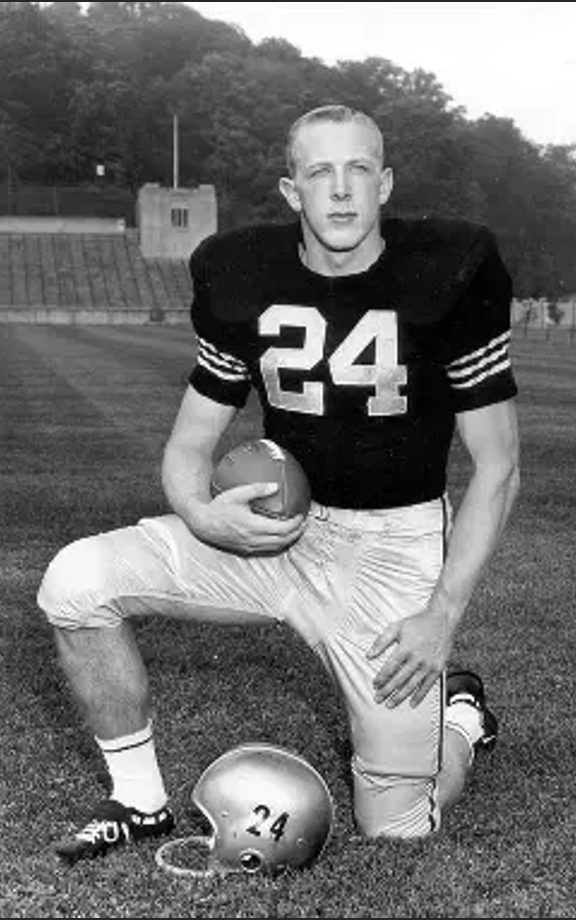
Pete Dawkins at West Point
Bill Carpenter at West Point

     Pete told me that Coach Blaik (Blaik coached for 18 seasons at Army compiling a 121–32–10 record and Coach of the Year honors.), was musing with General MacArthur at a football practice one fall afternoon about signaling Bill Carpenter. General MacArthur responded by suggesting a two-part code. Presumably, General MacArthur had been using this in some of his wartime communications. One part of this code was the foot position of the quarterback. If it was back, it would be the first part of the code telling Bill Carpenter to look to the sideline to one of the coaches for the second part of the code that would tell Carpenter what route to run. If a foot was not back, Carpenter would run whatever pattern he wanted to run ignoring sideline signals. That’s a two-part code. The two-part code obviously worked very well for Army football in 1958. The two-part code or two-part authentication, as we now know it, goes back to at least the 1950s and General MacArthur, a fan of Army football.
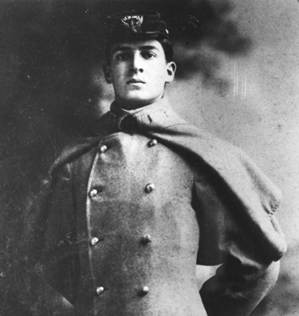
General MacArthur as a West Point Cadet

The 1958 Army football team finished undefeated with an 8– 0–1 record, scored 264 points, with the defense allowing only 49 points and finished third in national collegiate football rankings. Bill Carpenter was a consensus first team player in the 1959 college football All-American team. Pete Dawkins, Army First Captain was the senior ranking cadet in the Corps of Cadets at West Point. He won the Heisman Trophy as a senior in 1958, and the Maxwell Award as the collegiate football player of the year.  He was a consensus first team All American selection. The two-part code obviously worked very well for Army football in 1958.
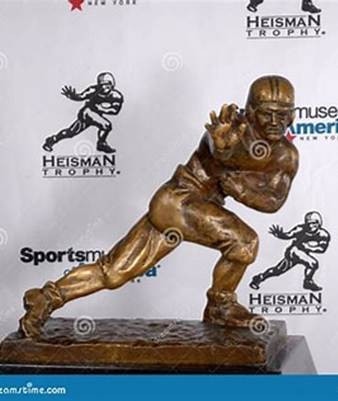
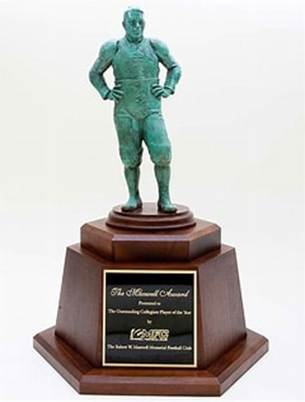
   Heisman Trophy
Maxwell Award


Watch for the two-part authentication code when Army beats Navy!

Written by Suzanne Rice · Categorized: By Bruce Wheeler

Oct 26 2024

10th Anniversary Renewing Friendships – Unexpected Contact From Old Friends

The stories from our class family the past 10 years have been amusing, amazing and informative. Personally, two patients, both cadets at the time have contacted me. One, a retired Marine Corps aviator, touched base as he was retiring and another just contacted me through the Days Forward after 34 years! Catching up with patients after so many years is quite meaningful and rewarding.

As we all remember, we would bet parkas and b-robes on Army-Navy and I won an RMC parka sailing in Kingston, Ontario in 1969. I thought that my cadet parka was lost in 1967 when Navy beat Army – their only win in our four years! Over 50 years later, a girl that I dated contacted me through the Days Forward and told me she had something for me. Her mother and mine has been close since first grade. What a surprise when the box appeared with my cadet parka. It still fits!

A grad faculty member who I had met at West Point at a hospital function with his wife, one of our nurses at Keller, found we both had a connection to the US modern pentathlon team years later. So, stories can lead to other connections. I’m looking forward to many more stories in the next ten years. Thank you, Chris and Suzanne.

Written by Suzanne Rice · Categorized: By Bruce Wheeler, The Days Forward 10th Anniversary

Jan 24 2021

Korea, Oslo to Codsall – 1972

Pam and I were to be married Labor Day weekend 1971 prior to my deployment to Vietnam. She was a nanny to Lieutenant Colonel Tony Spackman, the British Liaison Officer at Fort Sill. We met in late summer 1970 at the Artillery Hunt, where I was riding to train for the US Modern Pentathlon Team. I’d been offered a three-month trial at Fort Sam with the team after winning the Army triathlon championship in 1970 at Fort Sam. I elected to defer it since I had just changed jobs, just having started to teach artillery survey at the Target Acquisition Department. Since horseback riding was one of the events, I started riding and taking lessons, half boarding a horse at the Artillery Hunt. The Non-commissioned Officer in Charge (NCOIC), a crusty Sergeant First Class (SFC) with a penchant for chewing tobacco, played matchmaker and steered Pam to the horse I was half boarding.

Ft. Sill Stables

We met, and since Pam was planning to take an American history class at Cameron Community College, I offered to take her since I was taking some biology courses for premed. Our first “date“ after class  the first night was to a local bar where Pam, on her salary of $17 per week, bought the beer – my wallet was empty after paying cash for gas. In spite of that, we fell in love. A classmate returning from Vietnam, spent a night with me. “Why are you getting married before you go to Vietnam?” he asked, “you may not come back, or you may be gravely injured, Pam could be pregnant.” I (no discussion, a lousy never repeated process) announced to Pam the next day that we wouldn’t get married before I went to Vietnam.  After the MATA CORDS course for Army officers with orders for Vietnam as advisors that was located at Fort Bragg, I attended Defense Language Institute at Fort Bliss studying Vietnamese. However, as I walked in for my final exam in November 1971 was informed my orders were changed, I was heading to Korea in January 1972, instead. God has a sense of humor! 

Prior to deploying to Korea, I spent a week in England, reconnecting with Pam and meeting her family. Communication by snail mail in those days took about a month for a letter and reply. Phoning was $10 for three minutes payable in advance, so I only called late at night to England, ensuring that Pam would be home with her parents. When we decided on the wedding date Pam said Tuesday, May 22. However, actually May 22 was a Monday, I discovered later. Are we getting married on Monday or Tuesday? This is about three weeks before the wedding date. Some logistical issues – can Rick Frykman, my best man and West Point classmate, get there? He did! 

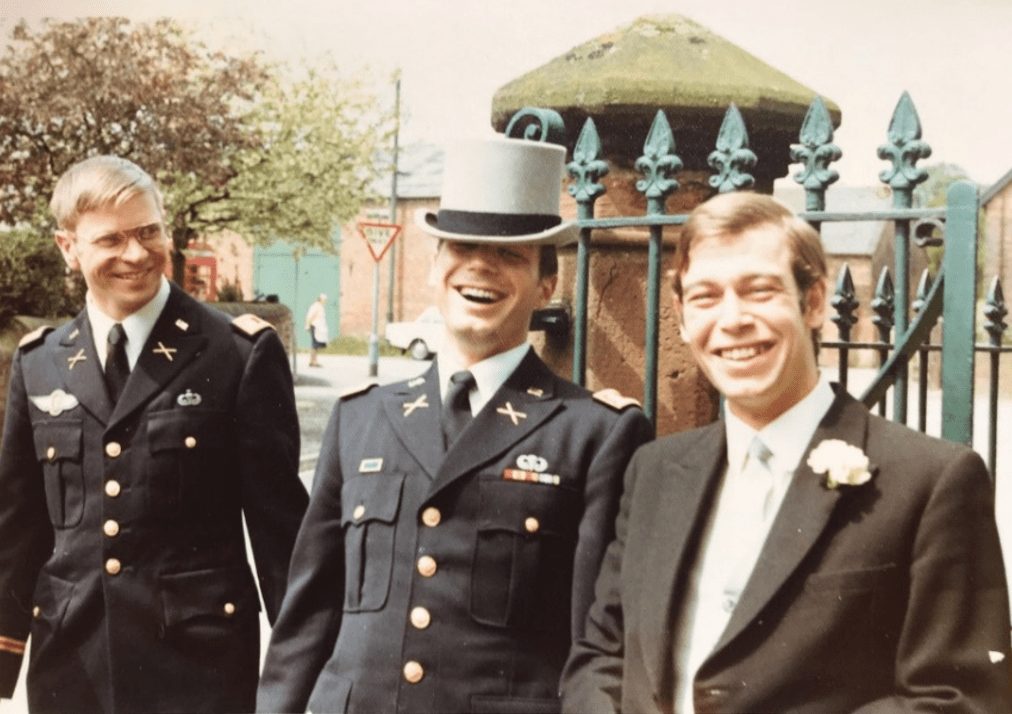
The Groom and Friends in Codsall

I also asked John Feagin, our orthopedic surgeon while we were cadets and later, my first orthopedic mentor. He was in England doing a total hip fellowship with Sir John Charnley, the “father” of total joint surgery in Manchester. John, and his family arrived in their black taxi for our wedding.

     I arrived several days prior, about May 19, after making the trip from Chun Chon (1/42 FA) to Seoul, where I met the 10 Korean orphans, aged 9 months to five years, from Holt Adoption Agency that I was to escort. (I learned about the need for escorts for Korean orphans at a cocktail party. I let the Holt Agency know that I was willing if they had anything available at the time I wanted to travel to England. I was considered a temporary employee of KLM at that time and I returned to Korea under that temporary assignment with Holt.)

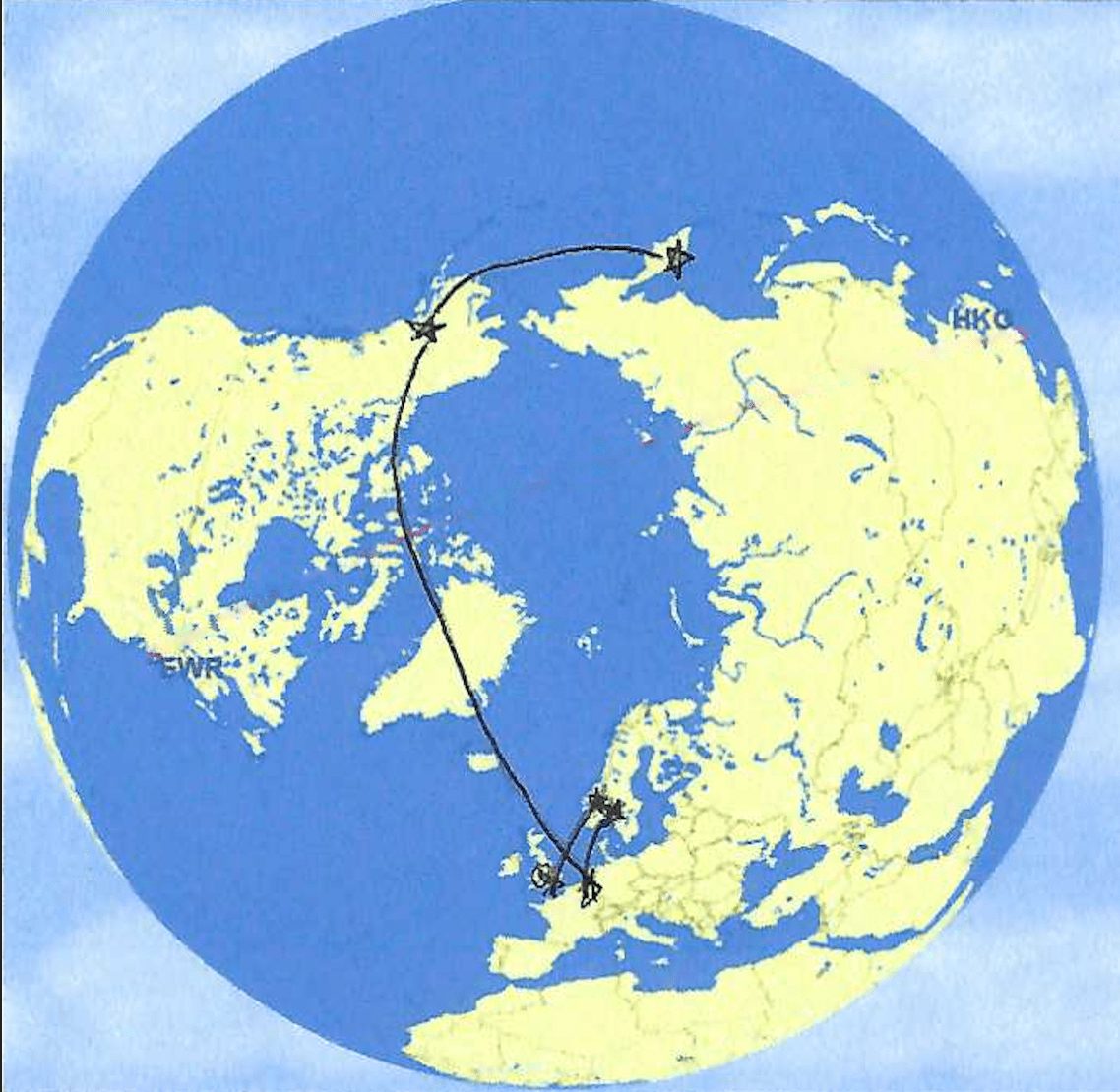
Bruce’s Transportation to England

Getting from Korea to England wasn’t easy in 1972, nor was it inexpensive. Working as an orphan escort solved those dilemmas. Flying was more lax in 1972. I was usually caring for one child on my lap and at least one child on each side seat. While in the air, there was a constant round of feeding, diapers, calming and entertaining the kids. God bless the flight attendants who helped provide some “adult supervision”. An “older woman“ (about 50 whose husband was at the British Embassy) was the other escort. She knew her limitations. She cared for 2 to 3 of the kids leaving the remainder to me and the KLM flight attendants. We flew from Seoul to Tokyo where we changed planes, then to Anchorage where we refueled, then on to Amsterdam where six of the children and the “older” escort left me. The four remaining kids and I flew to Gothenburg, Sweden, two to meet their new families, and then the remaining two and I flew to Oslo. After leaving the two children with their new families there, I flew on to Heathrow.

After about 35 hours in airports and planes, I transferred from Heathrow to Paddington station exhausted. My brain at that stage wasn’t firing on all cylinders. I remember stopping to buy an orange and candy at a kiosk in Paddington and just holding out my hand and letting the vendor take some pounds. After spending in Korean won, Japanese yen, American dollars, Dutch guilders, Norwegian krona and British pounds without sleep my brain was thoroughly muddled! After getting to Codsall and Pam’s family, it was wonderful, after tea, to get horizontal in bed for a few hours. The next day, Pam and I went to the railroad station to pick up an “aunt“. While standing there, I remarked to Pam how much a woman walking towards us looked like my mother. Pam replied, “It is your mother!” 

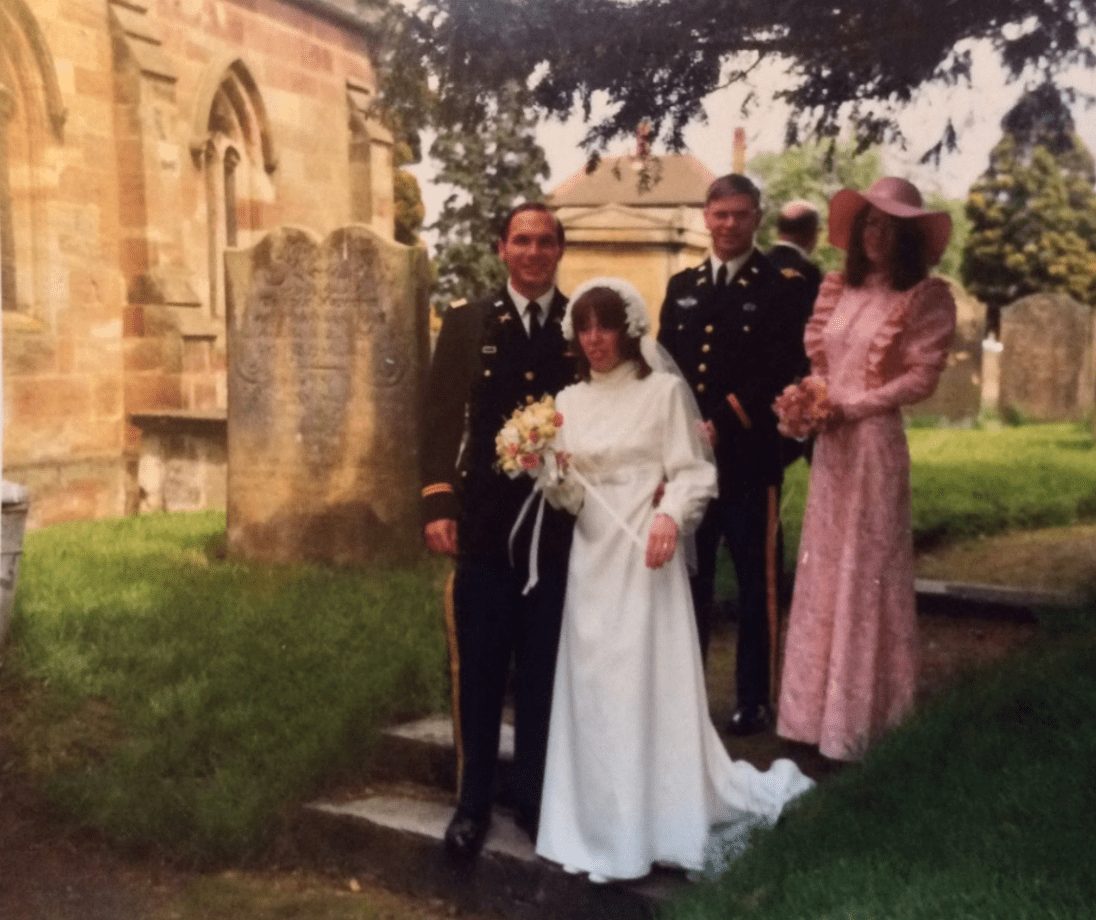
Happy Wedding Day for Pam and Bruce with Rick and Brenda

After the wedding and a brief honeymoon, I flew back to Korea and recovered from my jet lag to England by returning to Korea.

     While doing my orthopedic residency at Tripler in Hawaii in 1977, we adopted Rachel at 10 months, a Holt baby. In 1987, while on Temporary Duty (TDY) to the 121st Evacuation Hospital in Seoul, Pam brought both our daughters to Korea for spring break and we visited Holt Adoption Agency thus closing the loop.

Bruce’s Travels

Written by Suzanne Rice · Categorized: By Bruce Wheeler

Apr 19 2019

What West Point Means To Me – Bruce Wheeler

What has being a member of the West Point class of 1969 meant to me? My moral compass continues to be aligned with The Cadet Prayer.

The friendships from cadet days and subsequently through assignments, mini-reunions and other activities and experiences have been rich and treasured. Cycling, skiing, safaris, as well as the cruises, a cup of coffee or wine with classmates has led me to appreciate the depth and breadth of shared life experiences with our class family. When I stood at Trophy Point on July 1, 1965 and subsequently at parades and in the reviewing stand, the memories leave me humbled and thankful for being a part of such a great class and institution.

Written by Suzanne Rice · Categorized: By Bruce Wheeler, What West Point Means to Me

Sep 08 2015

The COL Patrick Madigan Foundation – 1995

In the early 1990’s it was becoming clear to a group of doctors and other medical professionals that there were many needs at Madigan Army Medical Center at Ft. Lewis, Washington that were going unanswered. There was no extra money to address these problems and no one to call on to try to help those in need. So was born the idea of creating an organization that could help the individual soldier and their families when they found themselves without the resources they needed.

madiganflyer

The COL Patrick Madigan Foundation was incorporated in April 1995 in Washington State and recognized as a 501 (c) 3 organization by the IRS. I am one of the original board members and the third president. It was set up to help provide for unmet needs at Madigan Army Medical Center at Fort Lewis (now JBLM, Joint Base Lewis McChord), Washington. Its mission since founded has been to support patients, families, staff, research and education. It is the first foundation established to support a military medical center. The Foundation is a Combined Federal Campaign (CFC) recipient and has given over a million dollars to support the mission with help from grateful patients, their families, and corporate donor support. Helping over 3,000 people per year, the Madigan Foundation has made contributions to support the Warrior Transition Battalion since 9/11, mostly to wounded warriors.

lewisgate
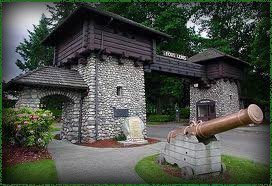
Gate to Fort Lewis

Seeing the many needs of military families, the Madigan Foundation has provided for military children with special needs like the Young Heroes program to include 4 annual college scholarships for 4 years to children with disabilities, and the Vision Support Program which provides special glasses to those children qualifying. Specialized equipment for children to make them more mobile and strollers and car seats to over 300 young enlisted families have been provided. Nursing mothers of hospitalized infants are given hundreds of meals annually, and a breast pump program for active duty mothers lead to it being adopted by the Department of the Army. Respite care for families with disabled children and child care vouchers for mothers and families getting medical care or counseling are ongoing services provided. Dental screening has been provided the past 2 years to 3 local elementary schools for almost a thousand military dependent children. Cancer patients and their families are supported as is a breast garment program and information kiosks. Residents are provided with meals while working overnight, a requirement of the residency training programs; and exercise equipment for them to use while working after hours has been made available. Meals have been provided for those who were fasting in the Emergency Room until allowed to eat when food service was not available and taxi service provided for those brought in by ambulance when transportation home is needed.

Madigan Army Hospital, Joint Base Lewis - McChord, WA
Madigan Army Hospital, Joint Base Lewis – McChord, WA

To assist and recognize the Madigan Hospital staff, the Traumatic Brain Initiative Program, the first in DOD, has been supported along with training and research needs that might never be funded. Outstanding research is awarded annually to a graduating fellow, the annual research day and the annual MG Jack Gamble lectureship on military medicine are also supported. Nurses are appreciated with an annual award and scholarship.

The presidents of the Madigan Foundation have been LTG William Harrison, MG Jack Gamble, myself, COL Dick Hoffmeister, MG Les Burger, COL Al Buck, and MG Burger consecutively, all retired military. All of these individuals have been instrumental in offering their time and energy to the welfare of so many soldiers and their families assigned Ft. Lewis/McChord Air Force Base. Working with them to support the active duty and retired men and women working at and treated at Madigan along with their families has been quite gratifying to each of us. The thankfulness of those who the Madigan Foundation has helped continues to be a source of great satisfaction. The website, Madiganfoundation.org provides more information and is updated frequently.

Written by thedaysf · Categorized: By Bruce Wheeler

  • Page 1
  • Page 2
  • Go to Next Page »

Footer

Historians and other inquiries.

Submit a Form

Join our community.
Subscribe to Our Bulletin

Copyright © 2025 · Site by RK Studios