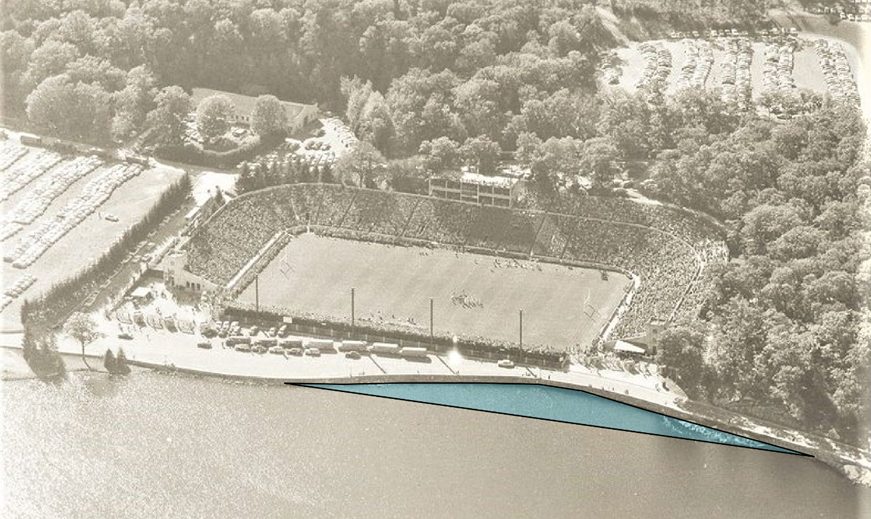
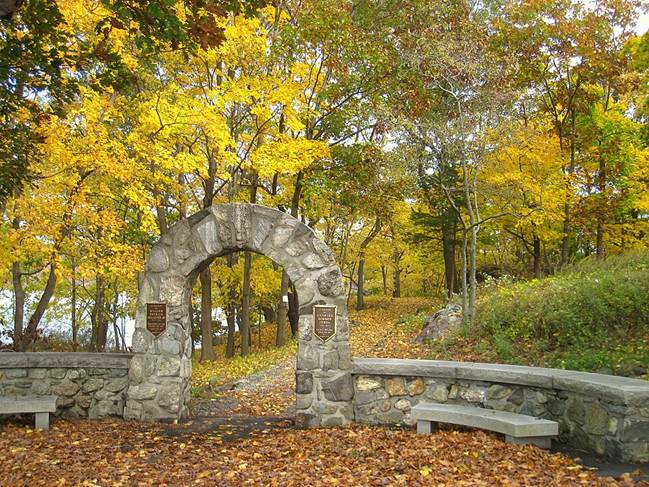
In 1957 and 1958 my family saw many Army football games at Michie Stadium. My father had classmates from VPI (Virginia Polytechnic Institute), now Virginia Tech who then attended West Point and graduated in about 1944 and were living in the Lee housing area in the late 1950s. We would come up on Saturday morning from Long Island for the parade and football game sitting in the bleachers with the “army brats“ (children of staff and faculty). I was about 11 1/2 at that time and afterwards some of the kids and I would sneak down to Flirtation Walk to harass cadets and their dates. The next morning, we would go to Sunday school with cadet instructors.
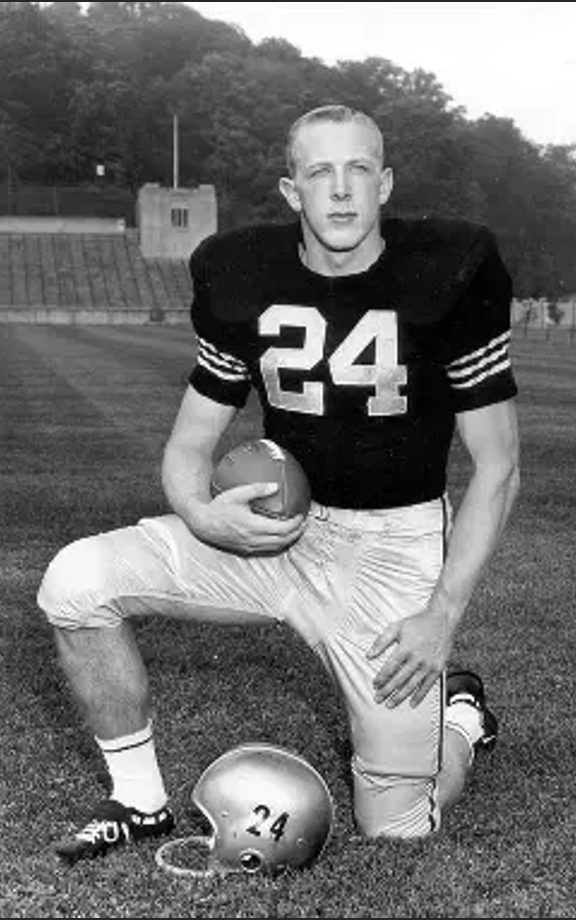
Pete Dawkins, class of 1959, was halfback of the 1958 Army football team prior to teaching some of us in the national security seminar as Cows and Firsties (juniors and seniors) at West Point. Bill Carpenter, class of 1960, was the lonesome end on the same team not going to the huddle between plays. Many wondered how he knew what route to run. How was he getting signals? Some hypothesized that the quarterback’s foot position had something to do with the signal.
In 2008, the inaugural John Feagin Leadership Seminar was inaugurated named for John Feagin who was the second doctor to have attended West Point and become a surgeon. He was the orthopedic surgeon who took care of Coach K and many of us as cadets at West Point. In his honor the Feagin Leadership Seminar was established at the Duke University Fuqua School of Business. ( A Tribute to Army Docs – 1995 – The Days Forward ) Coach K, Pete Dawkins, and others were featured speakers that year. That afternoon, some of us were in a stadium box at Wade Stadium at Duke watching the Duke football game. I asked Pete Dawkins how Carpenter, the lonesome end, got his signals.
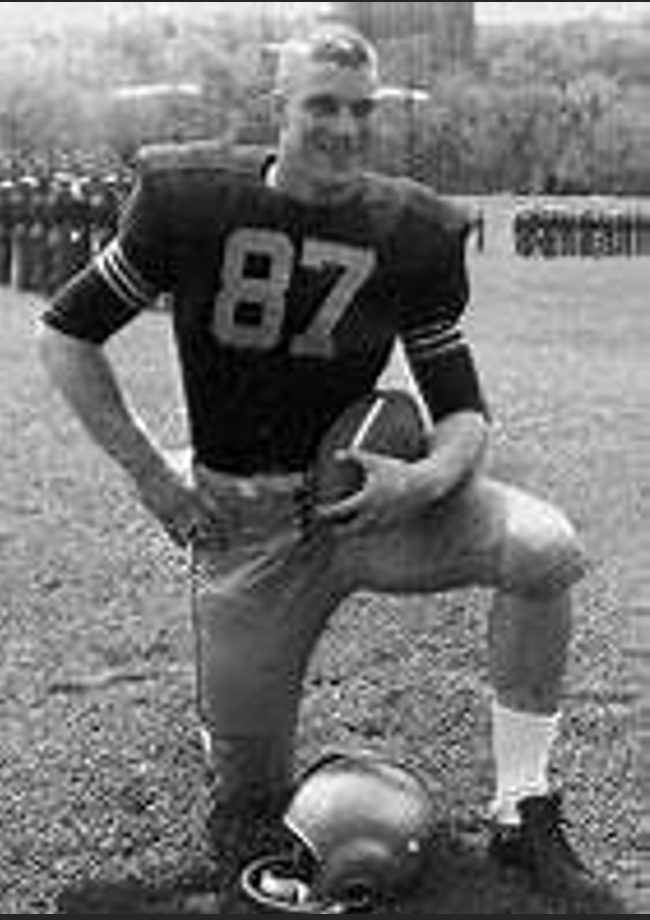
Pete told me that Coach Blaik (Blaik coached for 18 seasons at Army compiling a 121–32–10 record and Coach of the Year honors.), was musing with General MacArthur at a football practice one fall afternoon about signaling Bill Carpenter. General MacArthur responded by suggesting a two-part code. Presumably, General MacArthur had been using this in some of his wartime communications. One part of this code was the foot position of the quarterback. If it was back, it would be the first part of the code telling Bill Carpenter to look to the sideline to one of the coaches for the second part of the code that would tell Carpenter what route to run. If a foot was not back, Carpenter would run whatever pattern he wanted to run ignoring sideline signals. That’s a two-part code. The two-part code obviously worked very well for Army football in 1958. The two-part code or two-part authentication, as we now know it, goes back to at least the 1950s and General MacArthur, a fan of Army football.
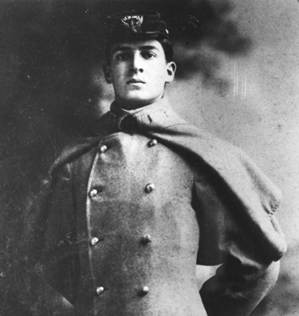
The 1958 Army football team finished undefeated with an 8– 0–1 record, scored 264 points, with the defense allowing only 49 points and finished third in national collegiate football rankings. Bill Carpenter was a consensus first team player in the 1959 college football All-American team. Pete Dawkins, Army First Captain was the senior ranking cadet in the Corps of Cadets at West Point. He won the Heisman Trophy as a senior in 1958, and the Maxwell Award as the collegiate football player of the year. He was a consensus first team All American selection. The two-part code obviously worked very well for Army football in 1958.
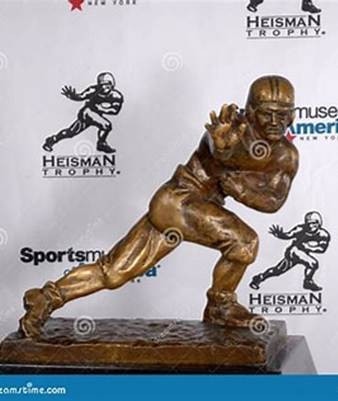
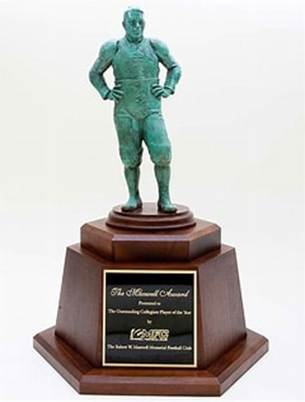
Watch for the two-part authentication code when Army beats Navy!
Thanks, Bruce, great story and very timely today. Good to see Doc Feagin mentioned again.
Go Army, Beat Navy!!
Great story, Bruce!
As an aside, my dad finished HS at age 16 and was too young to go straight into a service academy, so he had a rat year at VPI before attending WP and graduating in Jan ’43. He probably knew your dad. I call it being a “glutton for punishment,” experiencing back to back plebe years must have sucked.
My mom’s twin brother, my uncle Bill (William B. Yancey Jr., USMA ’46), played on those championship teams of the 40s coached by Earl Blaik.
One final connection to your story, my grandfather graduated from Annapolis in 1915. He spent a career in the army, however, because he shot his eyes studying by candlelight and 20/20 was required for bridge duty in the Navy. He wound up in WWII running ports for MacArthur in the Pacific (He knew many of the Admirals and Captains as classmates). His most memorable encounter with MacArthur (according to family lore) came in the Philippines at the Manila O’Club in the 30s, where he once cut in on MacArthur on the dance floor. Granddad was something of a party animal and I’m betting alcohol had something to do with that unfortunate decision. Family lore says MacArthur always remembered and never forgave Grandad that transgression.
Thanks Eric.
Merry Christmas
Pete
My father graduated in 1942 so he may have known your father. Thanks for the other insights.
Merry Christmas
Dear Bruce:
Thanks for the great story! Code work is always intriguing to a Signal guy. 🙂
Go Army!
Best regards & BOTL,
Bill (“I am Signal”) Bahr
Thanks Bill, two part authentication is now so necessary .
Merry Christmas