• Skip to main content
  • Skip to footer

The Days Forward

West Point Class of 1969

  • Starting Out
    • Reception Day
    • Making the Cut
    • Becoming a Cadet
    • Where Did They Go?
  • Browse the Stories
    • Authors
    • Map
    • Search
    • Archive
  • Contact

Suzanne Rice

Jun 27 2021

Adventures of a Firefighter – 1974 – 2007

     Fort Lewis, WA was my next assignment after returning from Vietnam in 1973. It was at Fort Lewis that preparation for a second career began.  I joined the local Fire Department (Thurston County District #3 (Lacey)) as a volunteer and became a certified Firefighter and Emergency Medical Technician. I started a Paramedic class in Pierce County but was dismissed when they excluded everyone who did not reside in Pierce County.  When next assigned to complete the MP Officer Advanced course at Fort McClellan AL, I enrolled in the Paramedic course at the University of Alabama at Birmingham.  This involved driving to Birmingham on Tuesday and Thursday evenings and living in my van on weekends when completing the hospital clinicals at various hospitals there. I had joined the Anniston Rescue Squad, was licensed as an Alabama Paramedic in 1978 and was the first Paramedic in the Rescue Squad.  There, I saw more blood and guts than in the Republic of Vietnam.  Disputes involving knives and shootings were a frequent occurrence.

      Next selected for a graduate Fellowship in Forensic Medicine at the Armed Forces Institute of Pathology, I also completed a master of Forensic Science degree at George Washington University.  Then assigned to the 172nd Infantry Brigade in Fort Richardson Alaska, I volunteered with the Palmer Fire Department for about two years years. Later, in response to a request for an overseas assignment, I was stationed at the Army Training Center at Fort Irwin CA for four years as the Provost Marshal, and later as an Engineer Officer in J3, Force Modernization, US Forces Command located at Ft. McPherson in Georgia. After arriving in Georgia in1989, my family and I settled down in Peachtree City and I joined the Peachtree City Fire Department as a volunteer firefighter/Emergency Medical Technician.  Since Georgia did not have reciprocity for Paramedics with Alabama, I took the Paramedic course again to be a Georgia-certified Paramedic. For two years, I served in a Volunteer capacity as a FireMedic.  I retired from the Army in 1992 as the O-6 board was convening.  Regardless of the outcome of promotion, it seemed apparent that I would finally be sent overseas, and I was determined not to disrupt the education of our two sons who were close to graduation as had happened to our eldest son. I decided that if I was going to continue in emergency service, I might as well get paid something.  So, I became a career FireMedic with Peachtree City Fire Department working 24 hours on and 48 hours off.  I responded to virtually every kind of known emergency: significant residential structure fires, industrial fires, numerous vehicle accidents and fires, aircraft crashes, flood rescue, and various accidents and injuries.  In the early days we responded to calls of “general weakness”, which often turned out to be a patient in respiratory and/or cardiac arrest.

A couple of the more memorable calls included a small boy (3 ½ years) who had fallen and struck his head on the brick fireplace. That had created an obvious bruise and a laceration which was freely bleeding.  The boy was near hysterical and no one had been able to calm him.  When I walked into the room, the boy saw me, came running over to me and jumped into my arms.  We stopped the bleeding, applied a temporary bandage and transported him to the hospital where they could close the wound.  No one knew why I had such an impact on the child; perhaps it was because I had ten grandchildren of my own. 

Another case involved a multiple vehicle wreck with multiple victims and a vehicle fully involved in fire.  As we were working to extinguish the fire, we noticed a man slumped over in the front seat.  Shortly thereafter, we noticed that he was still alive and pushed the fire away from him as we proceeded with extrication attempts.  This was complicated by the fact that the boot on his right foot was melted into the base of the floor shifting mechanism.  He had survived the fire because he was wearing heavy hunting clothing which shielded him.  He was airlifted to the burn center where he lived for about three weeks before succumbing to respiratory distress. 

The next incident involved a man who was operating a Bobcat loader on which one of the side safety screens was missing.  He managed to get his head outside the cab while the hydraulic arms were in motion and they sheared off the top half of his head.  He was still breathing so he was intubated and transported to the nearest hospital where the physician on duty observed his condition and immediately determined that further medical treatment was futile.

In 1997, I was designated as the department Accreditation Manager and began working on the many issues needed to improve the Insurance Service Office (ISO) rating which effects the insurance rates for property within the city and achieve National Accreditation.  In December 1999, the current Fire Chief died after a battle with cancer.  In January 2000, I became the third Fire Chief of the Peachtree City Fire Department.  I continued in office until my retirement in April 2007 and remain the only retired Fire Chief of Peachtree City. 

Presentations for Peachtree City Firemen

Like many Fire Departments, it had started as an entirely volunteer organization with minimal equipment, minimal training and minimal funding.  Some members had mortgaged their homes to get money to buy the first fire engine, a 1949 Chevy 750 gallon per minute (GPM) pumper. The city grew and was continuing to grow, and the Fire Department had not grown with it. Since I had been the first person in the Department to attend the National Fire Academy, I immediately started increasing training opportunities and acquiring more modern and capable apparatus and equipment.
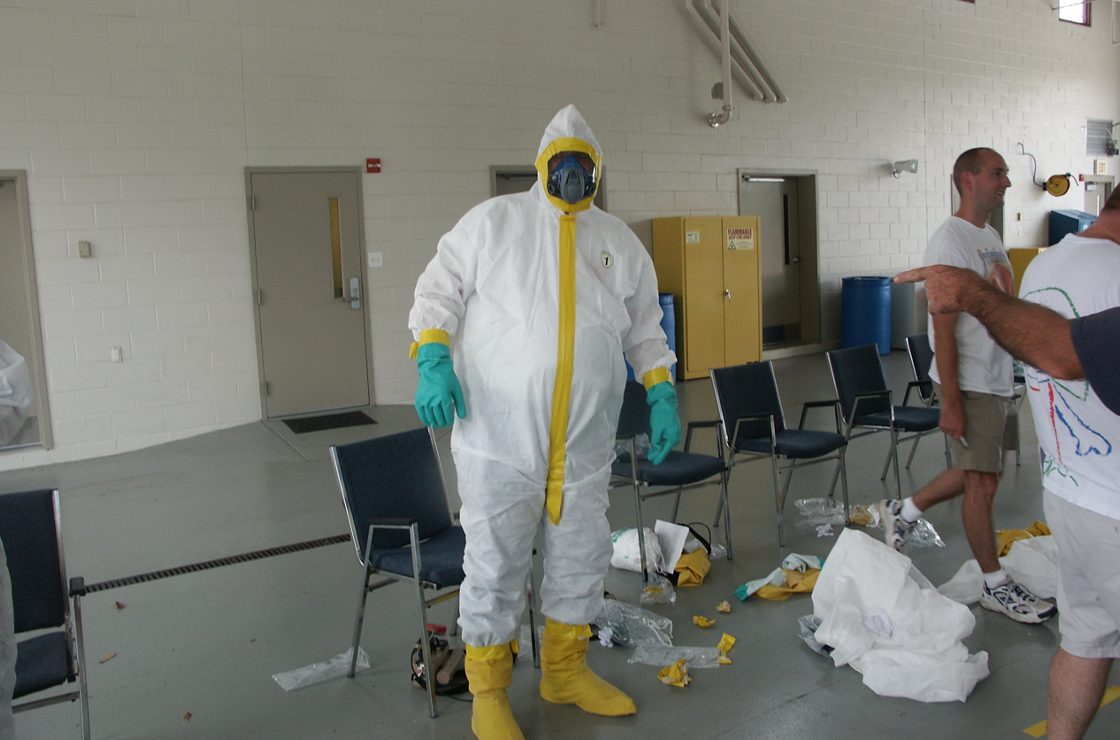
Hazmat Training

 Morale increased, and both fire and medical service provided was excellent.  In response to a request for help to recover from Hurricane Katrina, The Peachtree City Fire Department sent an ambulance with Medics and provisions to Louisiana for about one month.  During my term as Peachtree City Fire Chief, no firefighter was killed or incurred significant injury in the line of duty. No fire apparatus broke down while fighting a fire and no ambulance broke down while transporting patients to a hospital.
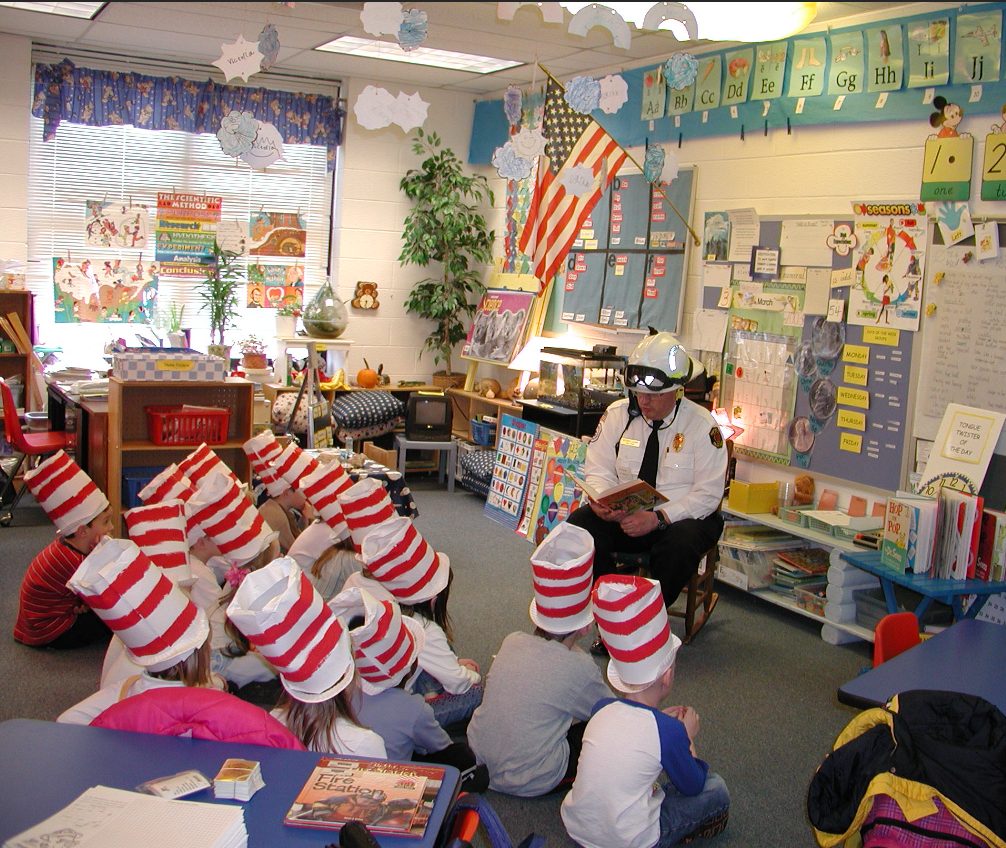
Outreach to the Schools

On September 11, 2001, I was at a Mass Disaster Operations class.  Just before the class started, we received a phone call urging us to turn on a TV set and watch the news.  It was activated just in time to see the second aircraft strike the Twin Towers, and everyone knew instantly that it was not an accident.  Within minutes, everyone’s pagers started activating calling them back immediately to their primary duty stations. I and the rest of the class returned to our duty stations to begin immediate checks of apparatus, equipment and staffing in preparation for whatever might next occur.

When we moved to Georgia, we were looking for quality schools for our sons, quality emergency services for a safe place to live, and some activities and amenities to keep our sons involved in wholesome activities.  My 33 years in the fire service and 29 years as a Paramedic have clearly demonstrated that most persons have the same outlook.  Also, that whenever most people need directions, information or help, they almost always call the fire department either first or when they cannot find someone else to help them.  The quality of the fire/emergency medical service is definitely a major determinant in how the community’s quality of life is perceived and maintained.
Written by Suzanne Rice · Categorized: By Stony Lohr

Jun 27 2021

West Point Wedding Hostess – 1981-84

     As an Army wife, I served in many capacities as a volunteer.  The one that stands out as the most enjoyable was that of Wedding Hostess at the Chapel of the Most Holy Trinity at West Point. 

     Mrs. Jinnie Pollin (wife of the head of the Math Dept.) was in charge of this ministry.  We incoming hostesses received training at a luncheon held by Mrs. Pollin in her beautiful quarters in the Lusk Reservoir Housing Area.  The gracious Mrs. Pollin regaled us with many delightful stories of the weddings she had served.  What fun we had!  We couldn’t wait to start our “ministry”.

     My friend, Kathy, and I decided we would co-host.  She lived in Grey Ghost, and we lived in the “Lonely Old Brick” on Merritt Rd. 

Lonely Old Brick Quarters

That made it easy for us to walk to the Chapel most of the time.  Parking was tight, and we didn’t want to add an additional car to the mix.

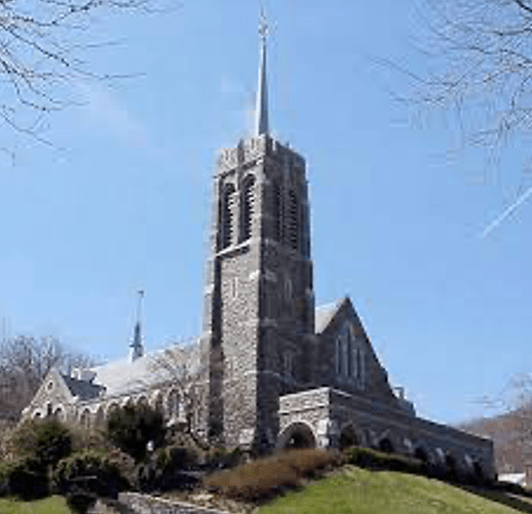
Most Holy Trinity Catholic Chapel at West Point

     Most of the weddings were small to medium in size.  One of the most memorable weddings stands out because it was the largest and because the weather was the worst.  It was every bride’s nightmare.  It was hot and humid with a severe thunderstorm booming and crackling overhead. Inside the Chapel,

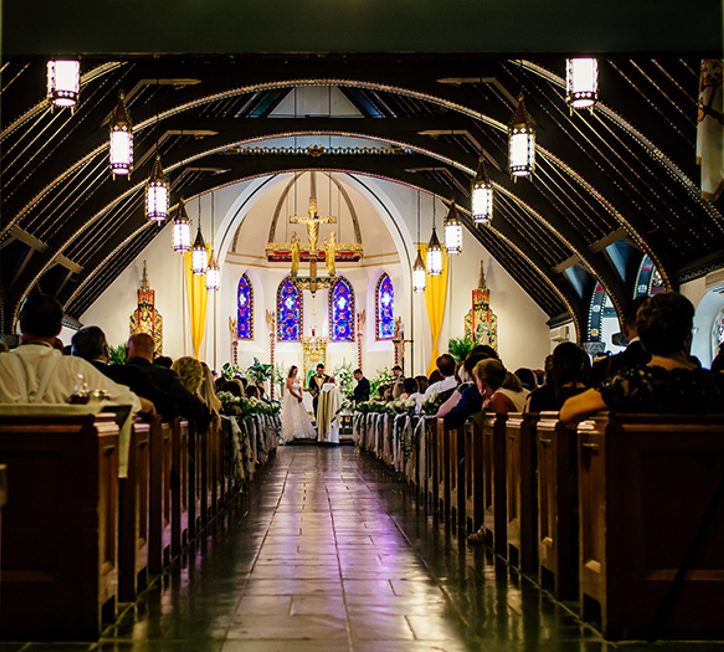
Inside the Chapel

there were 6-8 excited little flower girls and an equal number of squirmy little boy attendants.  Add bridesmaids, and we had quite a crowd.  Ordinarily, the hostess prepares the attendants to walk down the aisle.  We remind them to hold their bouquets at waist height, straighten dresses, and with the bride, fluff her veil and train.  We also cued the bride and her attendants when to walk down the aisle. For this particular wedding, the bride’s father took over all the hostess duties.  I stood aside as he did everything.  He was darn good, I might add.  Most Holy Trinity was not air conditioned.  The Chapel was so stuffy and so hot. One of the attendants passed out at the altar.   Guests started getting up in search of a breath of fresh air.  Unfortunately, they weren’t able to go onto the portico because of the downpour and lightning.  It must have been disappointing for the newlyweds to have their arch of sabers held indoors. It was still a beautiful wedding, and I’m sure the bride and groom have many happy memories of their wedding day despite the mishaps.

Outdoor Saber Ceremony

     Then, there was the “Crisis in the Choir Loft” wedding.  Before this particular wedding, I went up to the choir loft, as usual, to check in with the organist.  The organist told me he….ummm… had “the runs”.  He told me in no uncertain terms that I was to get that wedding going promptly and to get the wedding party down the aisle ASAP.  He didn’t know how long he would last.  He also told me he had talked to Father.  Father would keep an eye on the choir loft and add special blessings and prayers as needed.  As promised, during the ceremony, Father would glance up at the choir loft and add whatever flourishes needed to work around the organist’s absences.  To this day, I’m sure that couple doesn’t realize how many extra blessings they received on their wedding day.

     Kathy and I always arrived early for the weddings.  We were in the Chapel making sure everything was in place for a wedding when a young man walked in and took a seat about halfway down the side aisle.  He wasn’t dressed as one would expect for a wedding, but we thought nothing of it.  Probably a relative or friend who had just arrived from out of town and didn’t have to time to change clothes.  It didn’t take us long to figure out this wasn’t a regular, run-of-the-mill guest.  As the ceremony proceeded, this man started making comments.  You could call it loud mumbling under his breath.  He also made some comments out loud.  The priest would say something, and he might comment, “yeah, right”.  Kathy and I looked at each other with raised eyebrows.  This must have been the bride’s disgruntled boyfriend.  Mrs. Pollin’s instructions did not include a chapter on, “Disgruntled Boyfriends”.  We sat in the back quietly trying to figure out what course of action we should take.  Was he going to escalate his disruptions?  We nixed the idea of asking him to leave.  It wasn’t likely that he would agree to do that without a scuffle.  Should we call the MPs?  We hated to cause a disturbance at this otherwise beautiful wedding by having the MPs remove this gentleman, possibly by force.  We decided we would call the MPs and ask if they could at least have a presence in the back of Chapel.  There were no cell phones back in those days, so Kathy got up to go to a phone to make the call.  Thankfully, just as she was doing that, the man got up and stomped out the door.  Phew!   Crisis averted. 

     All in all, it was a great honor and delight to serve at weddings.  When I meet someone who was married in the Chapel of the Most Holy Trinity during the early 80s, I always wondered if I might have been their hostess.

Written by Suzanne Rice · Categorized: By Dee Lohr

Jun 23 2021

It Was July 21! – 1969

It Was July 21!  –  1969

America’s amazing feat of landing on the moon has been celebrated for over 50 years. For most of those years, I was a busy Army wife and mother moving all over the world every few years. Though I noted the fantastic American accomplishment and have always been proud of my country, most years July 21 was just another day. Military families most often move in the summertime, so for many years my main focus was which packing box to open and where to put what was inside. Or see what the children were doing – where are the kids about their age with whom they could become friends? Or meeting the new people at my husband’s new assignment and the new neighbors near our new home. Or registering at the Church nearby – is there vacation Bible School? Sometimes, we would put the boxes aside for a little while and venture out of the house to go to the neighborhood pool. Besides moving, for the Rice family, July was a month of celebrations: Bill’s birthday on the third, the birthday of his uncle who had died at Normandy and for whom Bill was named on the Fourth – and the big celebration, the birthday of our Country! That’s not all – we had welcomed our son to the family on the sixth of July. Cousins and other aunts and uncles’ birthdays cluster all around those celebrations. By July 21st each year, I was partied-out. Still had more boxes to open…

     It was only recently that I noticed something that seemed strange to me. Everyone in the U.S.A. thinks that the lunar landing happened on July 20. Why did I always think it was July 21?

     Here is the story. My father served in the U.S. Army Air Corps during WWII. He trained to be a radio operator in Madison, Wisconsin. Near the end of his training, there came a memo asking for anyone that could type to identify himself. In those days, women were more likely to have taken a typing class in high school than men. I’m not sure why my father learned to type, but it may have saved his life. He stepped forward and was whisked out of radio school and into a different job in the 389th Bomb Group (“Sky Scorpions”) ***

389th Bomb Group “Sky Scorpions”

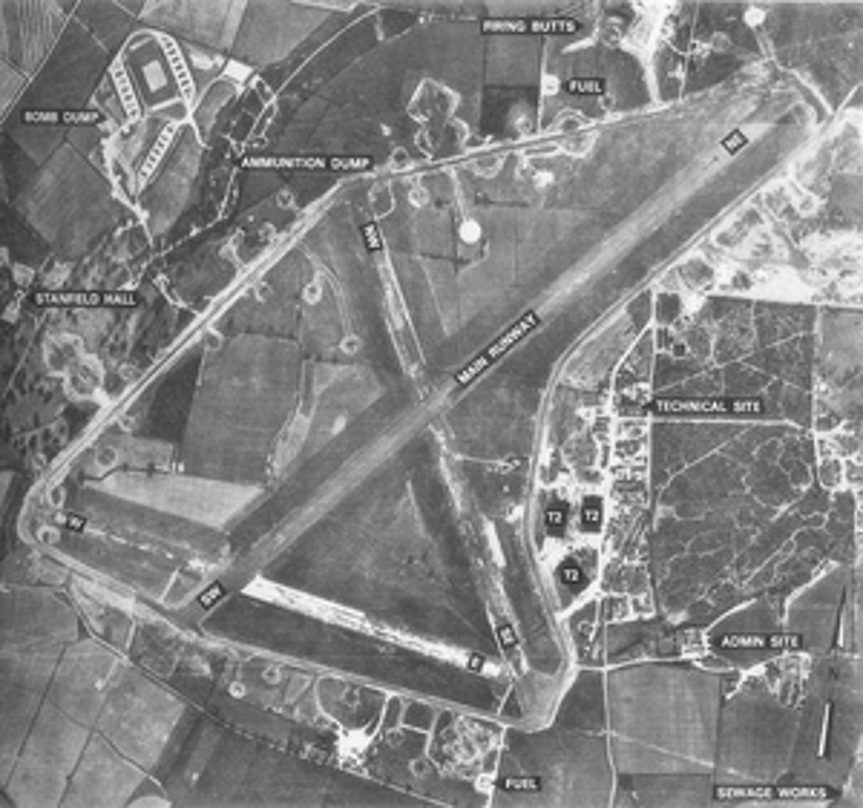
He spent most of his service at Hethel Air Field, Norwich, England, at a desk rather than as a radioman on one of the B-24 Liberators. He did hop aboard one of the planes flying over D-Day, without orders, because he “wanted to be a part of the mission.”

Hethel Air Field, Norwich

The plane on which he hid away made 5 sweeps over the armada on June 6, 1944. (As a child, I used to play with the air medals that he was awarded. Guess he thought he didn’t deserve them. He had served in the North Africa Campaign with the 389th in 1943. We haven’t been able to figure out exactly what his job was, though we have researched it at the 8th Air Force Museum in Savannah – maybe, a cryptographer. He never said.)

     What does this have to do with the moon landing? When I was a little girl, my father, having survived the War, would often put me to sleep with stories of his Army Air Corps adventures while in England. I loved the stories and became a real fan of things English. Most of his stories were from his off-duty time. Since he was stationed in England for three years, they were allowed some furlough time when possible. When I was old enough to babysit, I saved that money for a trip to England planning it for after I graduated from college. In my child’s mind, I would go there, see where my dad had been and one of my friends would surely like to accompany me. Wouldn’t that be fun! My aunt in Chicago even arranged for me to become a pen pal with the niece of one of her neighbors who was from England. We sustained that email friendship from eighth grade to adulthood. I could visit her? A plan is coming into place – oops, after graduation, no one could go with me (weddings, new jobs, no money, etc.), so I headed off for the adventure of a lifetime by myself.

     My first step after arriving in London was to get a cab to take me to Paddington Station where I would hop the train for Liverpool. My pen pal was graduating from college that very day and I would get there just in time for the formal ball that evening. (I carried a formal gown to wear as well as an iron to make it presentable after being crushed in the suitcase for so many hours of travel. Little did I know that the plug of my American iron wouldn’t fit into the British electric outlet.  I carried that iron and gown all over England for the rest of the six-week trip!) Caught up in the excitement, I barely remembered that I was supposed to send a telegram (How do I do that?) to my parents telling them that I had arrived. Good thing I didn’t forget that detail!

     The next day, we went to her family’s home in Cinderford in the Royal Forest of Dean for a few days where I recovered from jetlag. Then, I was off to the places that my father described. In Norwich, I found a phone booth and a phone book and attempted to get in contact with some of the folks that had been so nice to my father – 25 years earlier. In one case, I called the wrong person, but when I described what I wanted, she said, “Oh, you must be looking for my husband’s parents. Where are you? Stay right there; they will come pick you up – don’t move.” The rest of the story is that my father almost married her husband’s older sister while in Norwich; her husband had been a small boy during the war and remembered my dad like an older brother. I had a wonderful visit with the parents, but the “almost” fiancée had moved away. I wasn’t there long enough to meet her.

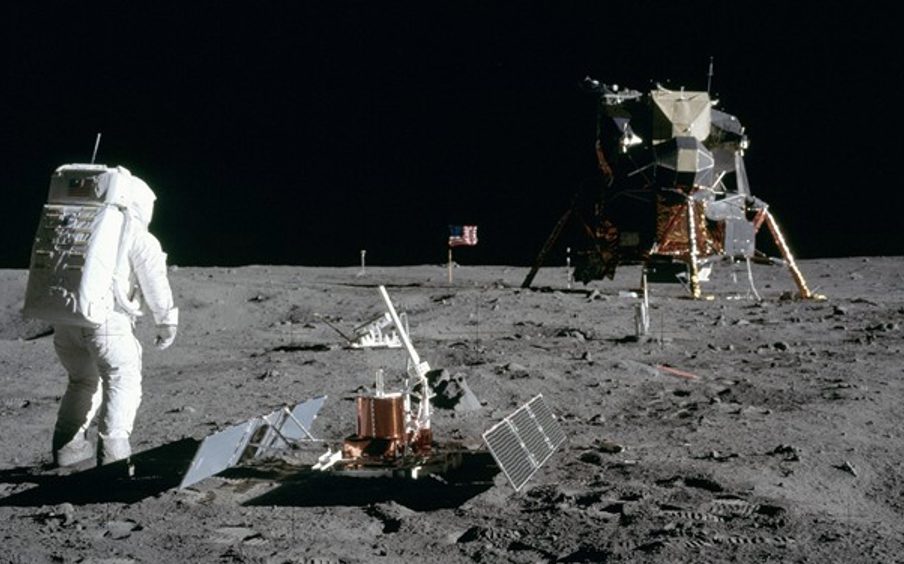
    Many of my father’s stories were centered around a resort in Scotland where American soldiers went on furlough. Being there for three years, he and his buddies went there several times for rest and recuperation. I decided to go there, too, taking the train to Edinburgh from Norwich. It was in Edinburgh that I realized that the monumental effort to reach the moon was on schedule. I learned that the landing was expected to take place in the middle of the night, about 3 a.m. Edinburgh time. Wow, I needed to find a television. Would it be televised in Scotland? I looked around the hotel to see if there was a television somewhere – at that time, there were no televisions in hotel rooms. I found one in a sitting room and checked to see how to turn it on. Then, I went to sleep, setting my alarm for 2:45 a.m.  When the alarm went off, I crept down to the sitting room in my pajamas, turned on the television and waited for the rest of the crowd to arrive. No one ever came, but the television worked and the first steps on the moon were televised.

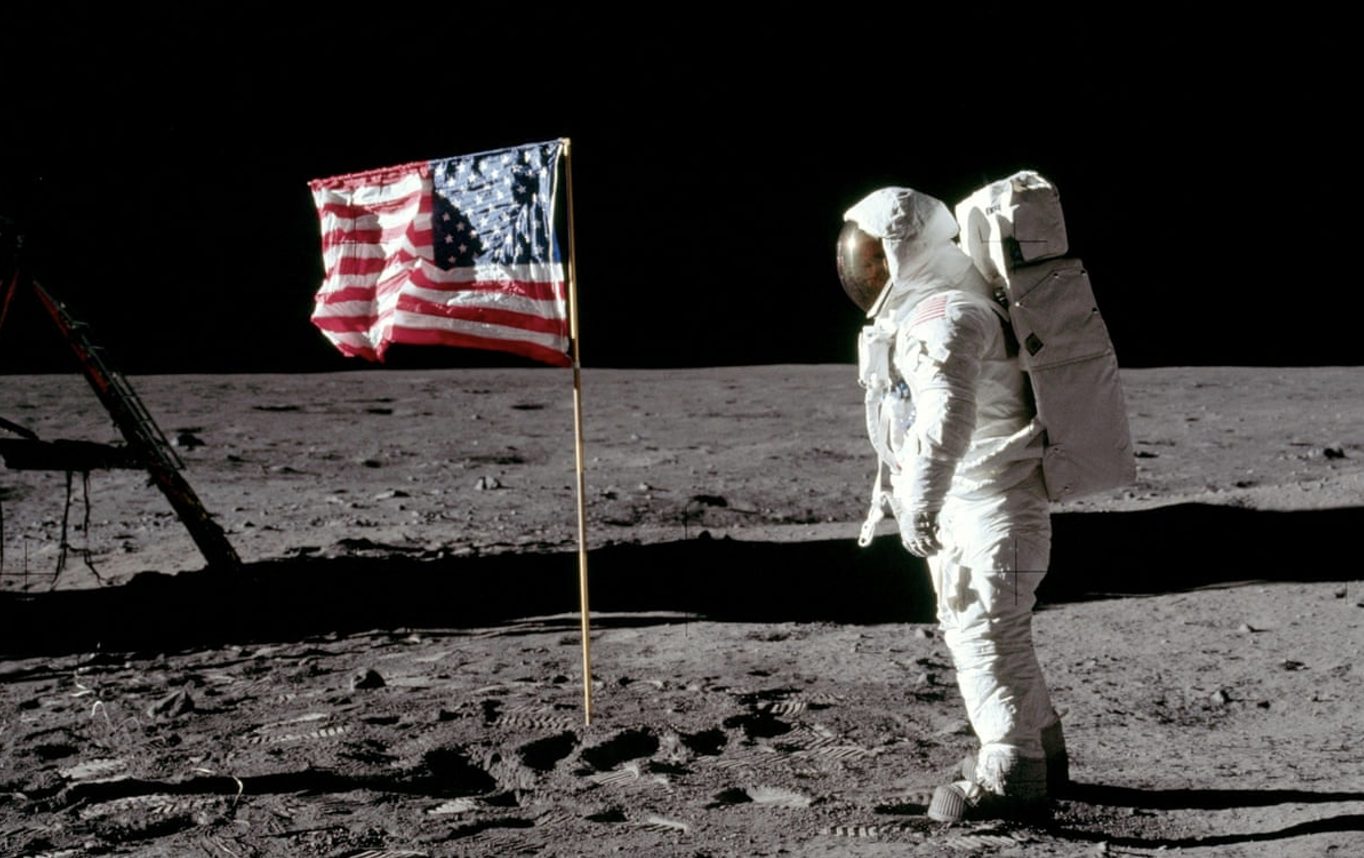
Moon Landing 1969

It was such an amazing experience to know that so many Americans had been a part of this unbelievable event. It was an exhilarating event to witness especially so far from home – even if it was by myself. What a thrill!

     I went to church the next morning at the closest church I could find. I was delighted when the priest spent his entire sermon relating the landing on the moon as a gift from God, the ingenuity of the American Space Program and getting to know more about God’s wonderful creations. It was wonderful – I wanted to raise my hand and I shout, “I am an American. You are talking about my country. Thank you for your inspiring message.” (I didn’t do it!)

     It continued to be an exciting day when after church I went to the bus station to go to Blairgowrie, Scotland, the location of the resort. Everyone was buzzing about the moon landing. I didn’t realize at the time that on Sundays, stores are closed, so my only way to get to the resort – some miles out of town – was to ask at the bus stop. How can I get there? When I identified myself as the daughter of an American soldier who visited 25 years before, they called the hotel, and the owner came for me. The lady who had owned the resort at the time of my father’s visits had moved to a cottage on the grounds when her son took over the administration of the resort. He took me to her home; when I was introduced, she exclaimed, “You are my first American grandchild! Come in so we can get to know each other.” She related the same stories to me that my father had told me as a child – I thought it was amazing: with a name like Smith, I was really surprised anyone would remember him. It was quite a memorable day – it was July 21 in Scotland, but July 20 in the U.S.A.!

*** Called “The Sky Scorpions”, the 389th Bomb Group flew B-24 Liberators from Hethel, near Norwich, England. In 1943, 389th detachments were sent to North Africa at Benghazi, Libya and at Massicault, Tunisia. The 398th also participated in bombing raids over Austria, Italy, Sicily, Crete and Romania, particularly the oil fields at Ploesti.                                

Written by Suzanne Rice · Categorized: By Suzanne Rice

Jun 09 2021

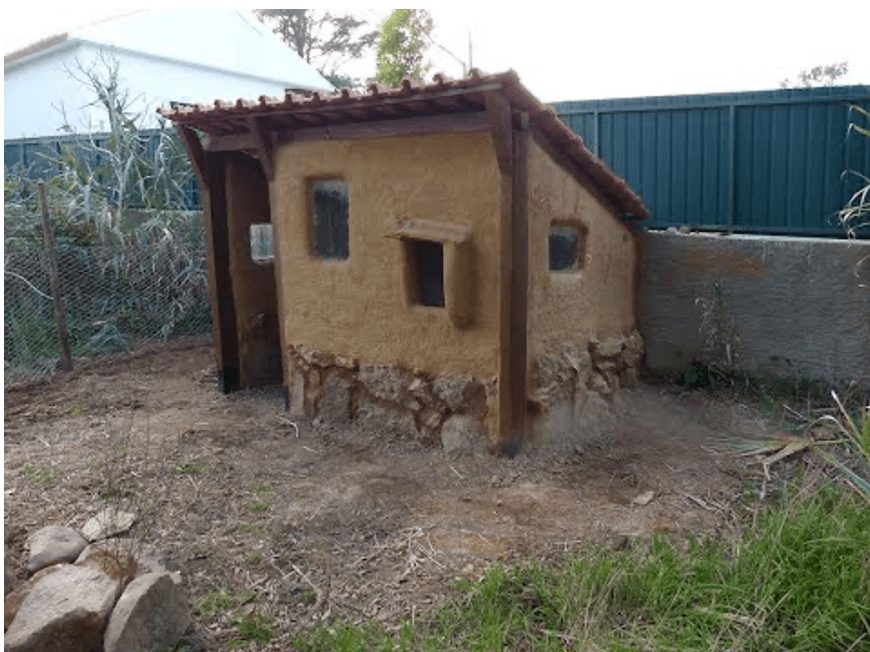
Chicken Coop – 1979

Miller, Chicken Coop – 1979

Interested in the prequel? The War That Never Happened (https://thedaysforward.com/the-war-that-didnt-happen-1979/) explains the background for my assignment as the US exchange officer to the Mexican National War College for 1978-79.

 As a US Army Foreign Area Officer in training, my mission was to learn everything possible about my country of specialty, Mexico, including its geography, political system, history, and its Army and officer culture.  All this while attending the final year of their three-year War College program, six days a week during my twelve-month duty there.

My job was to travel as widely as possible in order to learn about every region of the country and every local custom and dialect of Mexican Spanish I could.  When possible, I was expected to bring my family [my late wife Kay and our sons aged 13 and one] along on official orders so they could become acculturated as well.  During my time there, between class field exercises, family trips and official travel, I managed to visit every part of Mexico in detail. 

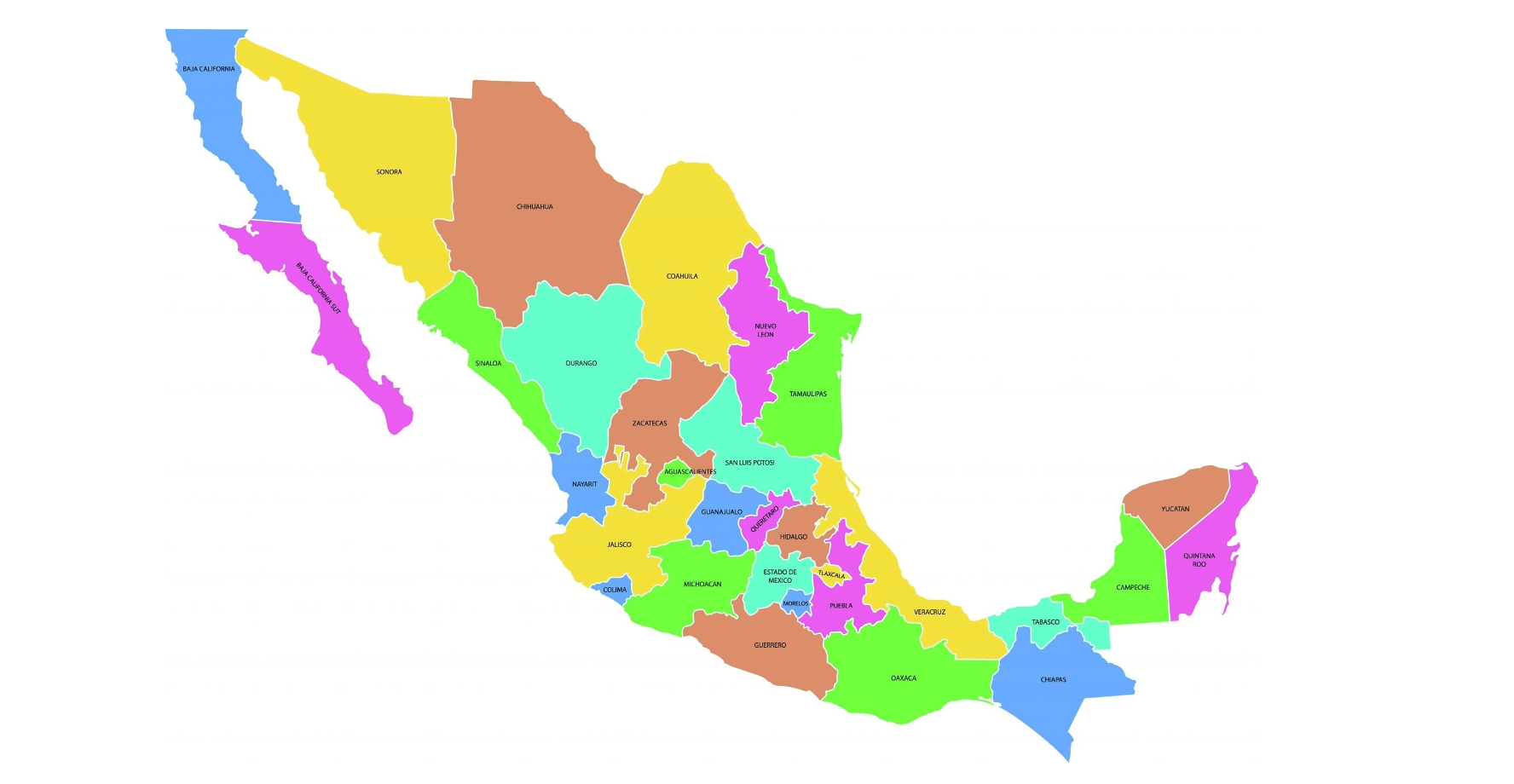
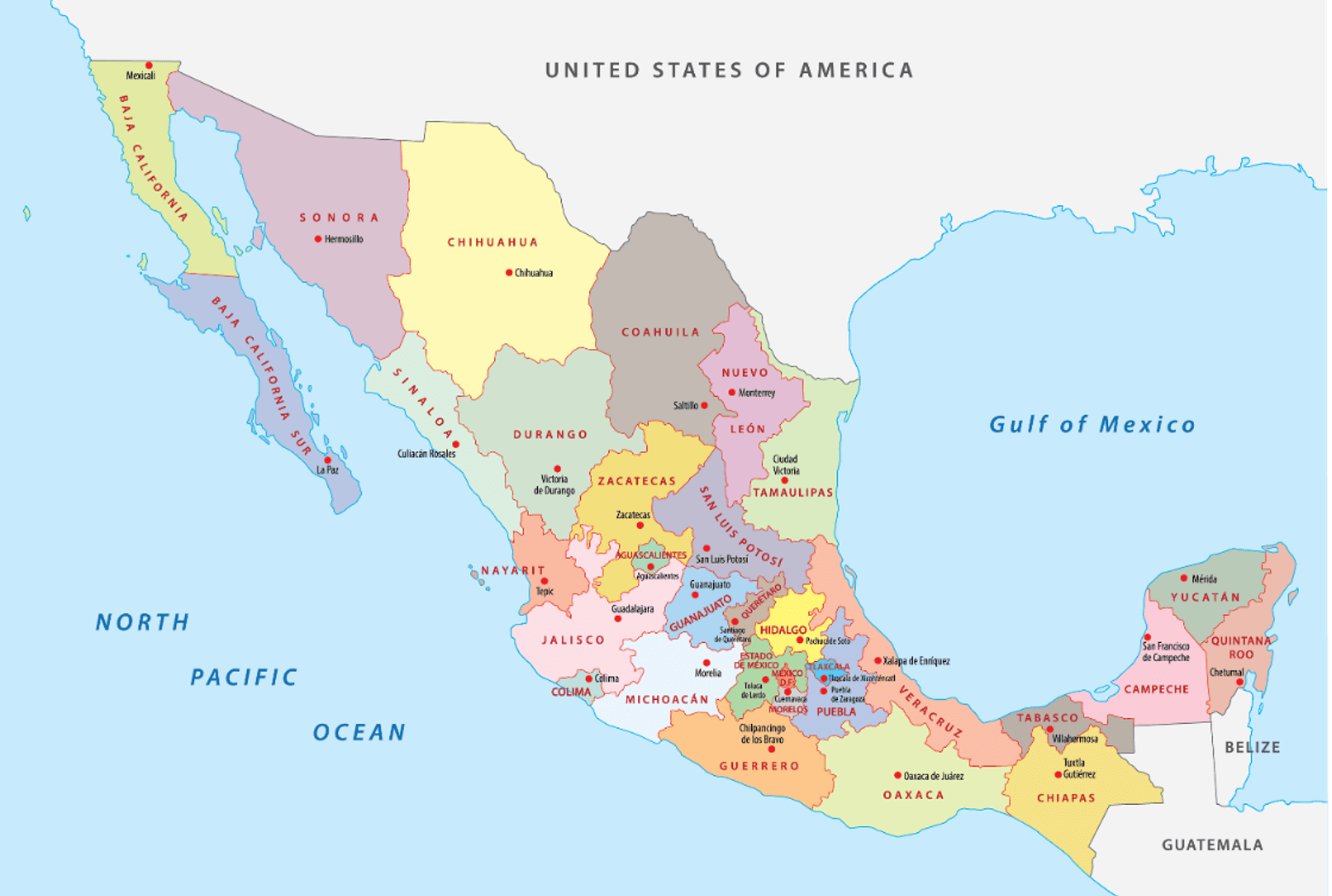
I traveled in and spent at least one overnight in every one of the 31 Mexican states.

The States of Mexico

In the Latin American culture, it is particularly important to be able to say, “I know [meaning I have been to or stayed in] your city [or state or country],” especially when it is a place almost nobody has ever heard of.  By the end of my year in Mexico, my Spanish was near-native, although “a la Mexicana.”  In my subsequent travels throughout the Caribbean, Central America and South America, I was always taken by my accent for a Mexican, never once for a North American.  Although the Brazilians all guessed my Portuguese had an Argentinian accent.

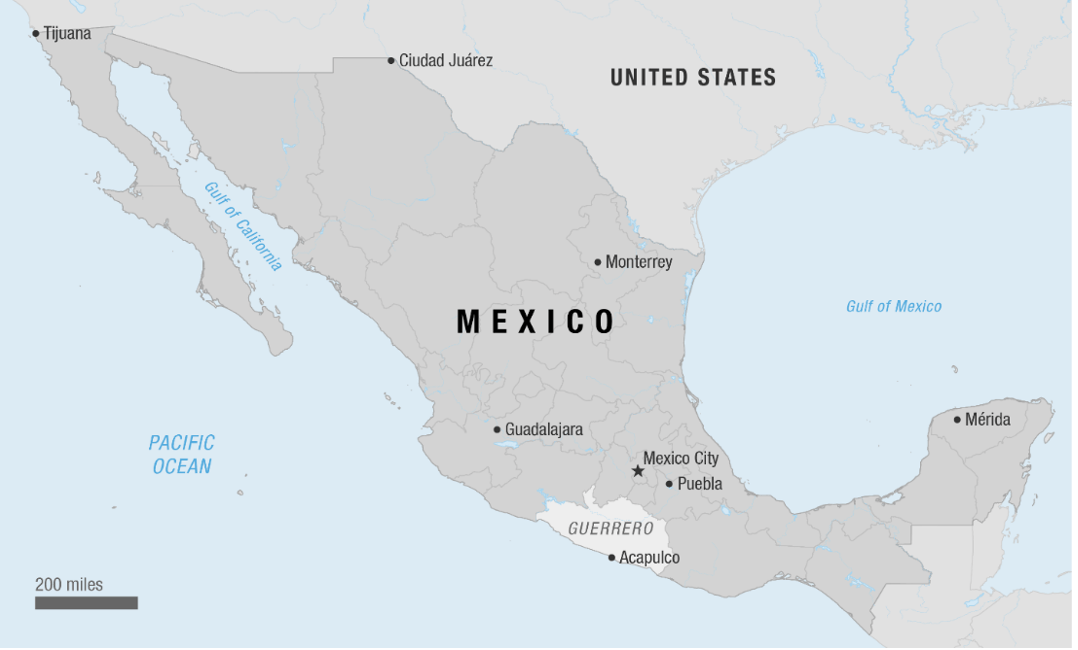
In February 1979, I got the opportunity to take my family on a long weekend trip to the southern state of Guerrero, and its famed capital, Acapulco. 

Acapulco – Guy’s Family Adventure

Our class was scheduled for classified briefings on Monday and Tuesday, from which I and the other foreign officer, my twin brother, Rene Emilio Ponce from El Salvador were excused.  [Within nine years of our graduation, Ponce was the four-star Salvadoran Secretary of Defense.  He and I were twin brothers in the Latin culture, having both been born on April 27, 1947; our younger sons were also twins, having been born on April 8, 1977].  So, I went through the American Embassy travel agent and paid in full in advance for reservations at a moderate Acapulco family hotel for those three nights.

As soon as I got out of class on Saturday afternoon, we finished loading into the government vehicle I had available for official travel.  It was a black Ford station wagon, previously used for Embassy security duty, with armored side panels that made it very heavy handling.  We had barely made it into the Mexico City suburbs when the bearing on the right rear axle gave out and began chewing through the axle itself.

I limped the walrus of a government vehicle to a small repair shop, where the mechanic on duty diagnosed the problem.  He said it would be next week before he could get a replacement Ford axle [in Spanish called a “flecha,” or arrow], and that I would have to leave the vehicle until then.  I left my family unloading the government car, while I caught a rattle-trap taxi back to our apartment to pick up our personal car, a VW bus.

By the time I returned with our VW and got it loaded and back on the road, it was late in the afternoon.  The several-hour drive down to Guerrero State would put us in our destination well after dark, but I had no worries.  I had paid in full for the three days reservation in the family hotel, so it just meant we wouldn’t get to see much of the area that first day.

Unbeknownst to me, that weekend was a national holiday in Canada, and tons of chilled Canadians were flocking to the sub-tropical resort of Acapulco for a break from their Arctic climate.  Arriving at our hotel after dark, I was shocked to discover that our paid-for room had already been re-rented out to a Canadian family, and there were no other vacancies in the hotel.

Although I was indignantly outraged, I could get nothing more satisfying from the hotel manager than “Lo siento.”  Too bad.  Even showing him my “paid in full” receipt for three nights meant nothing.  He could offer no suggestions on where I might put my family up for the night, since every other hotel was similarly booked solid all weekend long.

I parked my family in the hotel restaurant to get some supper, while I demanded that the manager find us an alternative place to stay.  After merely going through polite motions for a while, he suggested I might inquire with the concierge for help.

Turns out the concierge had a brother-in-law who had a friend who drove a taxi who maybe knew of somebody with a place we could stay.  So, at 9:00 PM we followed this taxi up into the foothills overlooking Acapulco Bay, where we stopped at an adobe house with two goats in the driveway.  The owner came out and began a dialogue too fast for me to follow with the taxi driver, who then pulled away.

The owner led us around behind his house to a shed with a falling-down door. 

Guy’s Luxurious Night in Acapulco

Using a flashlight, he pointed out a cot inside with a straw-tick mattress.  His wife brought out a couple of blankets for us and we did our best to bed down for the night. Our toddler thought it was a great adventure; our 13-year-old not so much.

In Mexico, most windows are merely holes in the wall, occasionally with shutters.  This shed wasn’t so fortunate.  By the light of a setting quarter moon, we stretched out.  Only then did we learn that the shed was actually the domain of the family chickens, who had been rousted out by the owner’s wife.  The indignant rooster flapped up onto the sill of the open window and began annunciating his displeasure at being displaced from his roost.

Owner of Guy’s Chicken Coop

All night long this rooster crowed in anger at us intruders.  All.  Night.  Long.  We would just begin to drift into sleep when he would decide to resume his tirade at us, three feet from our heads.  By the time the sun finally arose, we were all zombies except our toddler who managed to sleep all through the night!  We adults couldn’t get out of that place fast enough.

The night before while I was making vague threats involving the American Embassy and the CIA, the manager of the hotel had told me to return in the morning, when he was certain he would be able to find us a room in his place.  Sure enough, by the time we staggered back to the hotel front desk, there was an apologetic note with a small package of Mexican chocolates awaiting us.  Plus, a key to a modest room, but at least it did not come with an indignant rooster.

We slept most of that Sunday, occasionally interrupted by church bells.  It was only into the afternoon that we were able to venture out to some of the local open-stall marketplaces and I could pursue my mission of gaining a feel for the culture and wares of Guerrero State.

Turns out the Embassy never reimbursed me the 500 pesos that night staying with the chickens cost me.  Since I had a paid receipt for hotel accommodations for that date, they wouldn’t cover my out-of-pocket costs for my decision to stay somewhere else.  Lo siento.

This adventure has become a permanent part of our family lore. To this day, any time I hear American tourists raving about the joys of a luxurious Acapulco vacation, I can’t help being reminded of the night I had to put my family up in a chicken coop.

Written by Suzanne Rice · Categorized: By Guy Miller

Jun 06 2021

God Bless the U.S.A. – 1987

     It was a pitch-black night – early morning, really, long before sunrise. 15,000 of the most patriotic, courageous soldiers in the US Army had marched to the parade ground at Ft. Lewis, WA and were at parade-rest waiting for an encouraging address from the Commanding General of the Ninth Infantry Division. As the wife of the Commander of 1-84 Field Artillery, I wanted to be a part of this special event. We lived only a few blocks away – how to get there in the dark and as quickly as possible? I really didn’t want to be out in the dark by myself. No one was stirring in the family housing area where we lived; Bill had gone to the Battalion Headquarters long before to march with his soldiers across post to the field.

     I decided to ride my bike – that would be quicker than walking and the light on the bike would guide me there safely. So, I left our daughters asleep and sneaked out of the house, jumped on my bike and found my way to the field. I stayed near the street-side of the parade field but could see the stage and podium that had been erected for the Commanding General and his staff who were waiting there. Stretched out over the whole field before the General were all of his soldiers and the 9th ID band and chorus.

     Are you wondering why all those soldiers were there on the field at that hour? It was Independence Day 1987 and the entire Division standing on the field was preparing for the traditional Division “Independence Day Fun Run”. Later in the day, it would be too warm for them all to start the run, even though it was Ft. Lewis, not Ft. Polk! There would be other festivities later in the day so before dawn was the time to start the race.

U. S. Army Soldiers Running on July 4

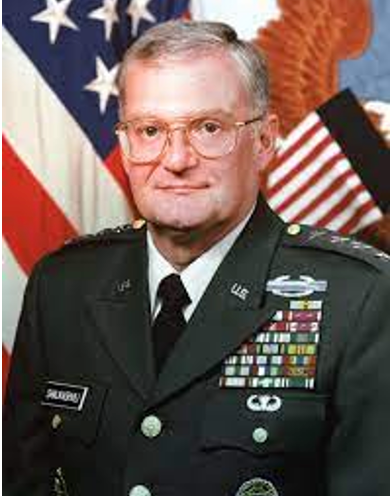
     MG John Shalikashvili*, Commander of the 9th Infantry Division, took to the podium on that dark, warm morning and gave a rousing Fourth of July address to the soldiers of the Division.

 MG John Shalikashvili

He reminded them why they serve and the greatness of the USA because of people like them. Towards the end of the ceremony, he related that he had recently been in Los Angeles for an event, where the attendees were inspired by a patriotic program headlined by Lee Greenwood. Though it had been released several years before, the song that Lee Greenwood sang at the event in CA especially touched MG Shali. He asked Lee if he could have permission to bring the song to his soldiers. It must have taken some time for the copyright arrangements to be made and for the 9th ID band and singers to learn to play and sing the music, but they were ready for this early morning presentation. For me and for most of the assembled soldiers, it was the first time we heard God Bless the U.S.A. No one there knew the words at that time; we could only listen and be inspired by the soldier that has been selected to sing this new song.  Like MG Shalikashvili, we were touched, and the soldiers ran a little faster that day being motivated by Lee Greenwood’s song.

     What were the other events the soldiers would enjoy throughout the day?  There would be Battalion picnics/BBQs planned for the soldiers and their families along with games to play and watch. At the end of the day, the 9th ID band would set up at the Ft. Lewis football stadium and play a wonderful concert of patriotic music for the soldiers and their guests. The culmination of the long, wonderful day would be the playing of the 1812 Overture by Tchaikovsky. This inspiring music tells the story of Russia’s defeat of Napoleon’s invading army. It opens quietly with a Russian Orthodox hymn – a prayer for peace. Following this, there is a bit of the French national anthem, the Marseillaise, indicating the invasion by Napoleon. In musical tones, the Battle of Borodino erupts with the cannons firing as the French are driven from the field of battle.

(You can hear the cannons firing at 12:06 and again at 14:10.)

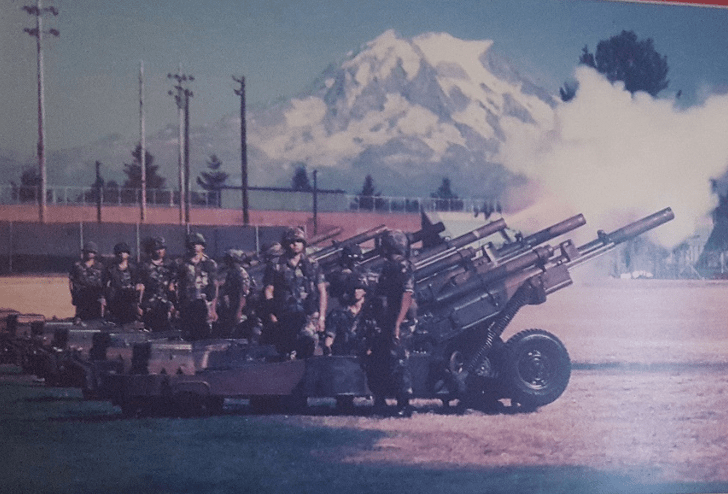
    Have you ever wondered about those cannon volleys in the middle of a beautiful piece of music? As the Commander of the Battalion that included the salute battery for the 9th ID, Bill and his cannoneers were tasked to be a part of the classic performance. Many days before July 4, the Battery soldiers with their 105mm howitzers had been out on the football field practicing with the Army band to “play” their cannons in the 1812 Overture. Our daughters and I would get to the stadium early, but not as early as Bill and the salute battery.

1/84 FA Salute Battery

     When we arrived in the stands, we would see the Battalion howitzers arrayed across the field away from the band and Bill walking around checking his walkie talkie and talking with his “musicians” and the band. He would direct his soldiers to “play” their instruments just at the right time in the Overture. When they actually began to fire, the cannon would sound every four seconds – check your watch – just as in a salute (count the seconds the next time you hear the 1812 Overture or attend a salute – it’s more complicated than you might guess.). They had practiced so often that their enormous sound would vibrate the whole stadium at just the precise moment. I always wondered how Bill knew the exact moment to give the “Go”! He would have answered, “We practiced.” To our delight, it went off without a hitch. The inspiring performance was followed by the rousing Armed Forces Medley. Fireworks would end the salute to America’s 211th birthday. What a great way to end the day that had started so early. I was so glad that I made the bike ride before dawn that day – as for other Americans, Lee Greenwood’s God Bless the U.S.A. has become very special to me and every time I hear it, I think of that assembled group of soldiers and all who have served our country in uniform who love their country more than self! God Bless the U.S.A.! 

     Follow-up: The next year, the girls and I rode our bikes to the stadium to avoid the difficulty of parking the car. What was I thinking? I was pregnant with our new baby due in three weeks. Having ridden a bike for much of my life, from elementary school years, I didn’t think a thing of it, though navigating after dark was a little tricky. Oddly enough, the baby didn’t wait for three weeks. Was it the startling booms of his Dad’s cannons or the late-night bike ride that caused the baby to come just two days later? Actually, I tripped and fell as I was packing the car with items I needed to lead a Battalion Wives Coffee that evening. I didn’t know it at the time, but this Coffee was to be a baby shower; instead, I was in the hospital in labor – beside me was one of our battalion wives who just happened to be a nurse on duty. She was the one who broke it to the waiting ladies – enjoy the party without the honoree – the baby is on the way!

*Chairman of the Joint Chiefs of Staff – 1993-1997

Written by Suzanne Rice · Categorized: By Suzanne Rice

  • « Go to Previous Page
  • Page 1
  • Interim pages omitted …
  • Page 23
  • Page 24
  • Page 25
  • Page 26
  • Page 27
  • Interim pages omitted …
  • Page 49
  • Go to Next Page »

Footer

Historians and other inquiries.

Submit a Form

Join our community.
Subscribe to Our Bulletin

Copyright © 2026 · Site by RK Studios