• Skip to main content
  • Skip to footer

The Days Forward

West Point Class of 1969

  • Starting Out
    • Reception Day
    • Making the Cut
    • Becoming a Cadet
    • Where Did They Go?
  • Browse the Stories
    • Authors
    • Map
    • Search
    • Archive
  • Contact

Suzanne Rice

Jul 18 2024

Down Under…With No Reserve ‘Chute – 1978

     I certainly claim no expertise or long experience in parachuting, as do many classmates and “master blaster” friends, some with hundreds of static-line and free-fall jumps.  My brief parachuting career consisted of only 7 static-line jumps, each uniquely exciting.  But my last jump was my most memorable by far:  a “water descent” into the shark-infested waters of the South Pacific off the coast of Australia … without a reserve ‘chute!

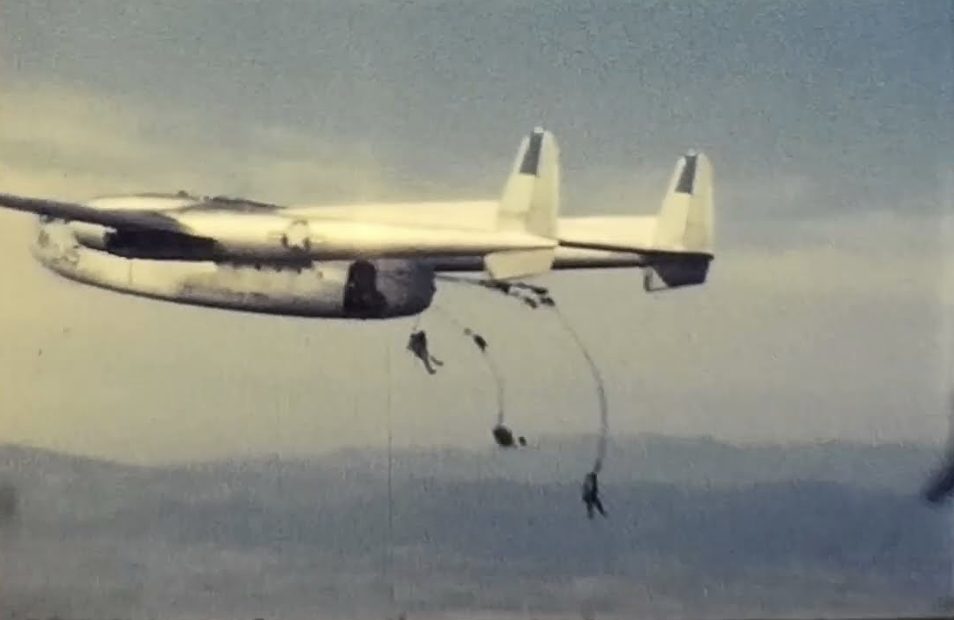
     A little background.  In August 1967, I was among the first group of USMA cadets to be allowed to attend the US Army Parachute School at Ft Benning, GA, as an extra cadet training experience following my required month-long troop training assignment (known then as AOT – Army Orientation Training) in a regular Army unit.  To be part of this privileged group, we volunteered to give up 3 weeks of our 4-week cadet summer leave.  What a deal!  We made all five of our jumps from the venerable US Air Force C-119 Flying Boxcar, earning the coveted silver wings of an Army Paratrooper.
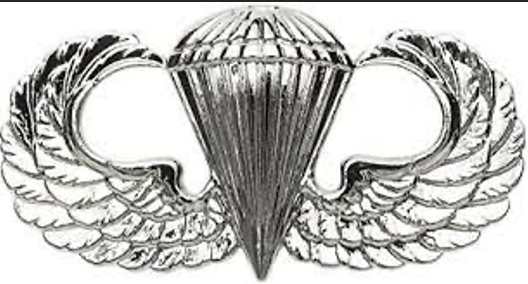
US Army Parachute Wings
C-119 Flying Boxcar Dropping Airborne Troopers

     As an aside, it was during that training period that Hollywood legend John Wayne visited Ft. Benning to film scenes of real soldiers in airborne training as part of his new movie, The Green Berets.  We airborne trainees were offered the opportunity to be part of the filming of that movie if we were willing to report for an extra day of training on Saturday, a rare day off.  Because I had previously made plans to meet my girlfriend in Atlanta, I turned down John Wayne’s kind offer of “stardom” and headed to Atlanta instead.  Good thing, too: that girlfriend has been my wife for over 50 years now!

     Just two years later, January 1970, as a 2d LT in the Florida phase of Ranger School, I parachuted into Eglin Airfield marking my 6th jump.  With no future assignments to airborne outfits, I thought my jumping days were over.  Until 1978, that is…

      During my tour as a Tactical Officer at USMA from 1976 to 1979, I was selected to be the Officer in Charge of the Australian Royal Military College (RMC) Exchange.  Well, someone had to do it!  This duty included escorting 4 outstanding First Class (senior) USMA Cadets to Australia for 2 weeks in August 1978, which, incidentally, was in the dead of winter “Down Under.” 
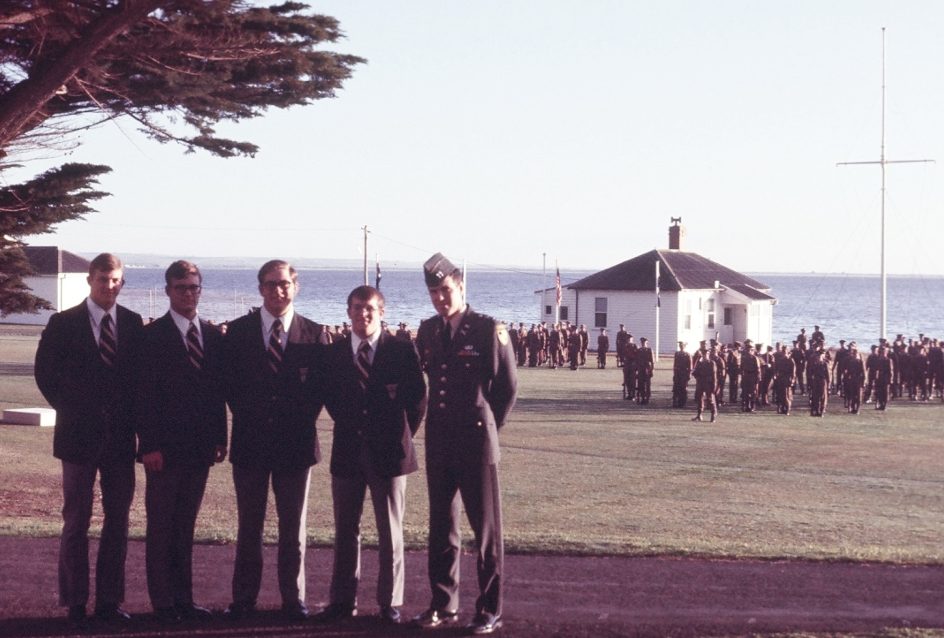
Author (r) with 4 USMA cadets at the RMC in Duntroon

     Our schedule was packed with touring, starting at the RMC in Duntroon, sightseeing around the capital at Canberra, visiting the US Ambassador to Australia, being “wined and dined” at various social events, and participating in classes and military training.  The Australian military at the time had a very “macho” culture and we were challenged daily to show our friends whether we had the “right stuff.”  Their biggest challenge lay ahead.

     That challenge and a major highlight of our trip came as an invitation to visit the Australian Army Parachute Training School at Williamtown.  Located on the Pacific coast near Newcastle in New South Wales, it’s about 100 miles north of Sydney.

     The Parachute School senior officer and staff warmly welcomed us and laid out their plans for our day:  we were invited to make a “water descent” into the shark-infested waters off the coast!  No worries!  We were to be plucked out of the water quickly by fast boats.  With my 3 airborne-qualified cadets, we four Yanks enthusiastically accepted the Aussie invitation and challenge to jump with our Australian counterparts:  4 RMC cadets and their Australian Army captain.

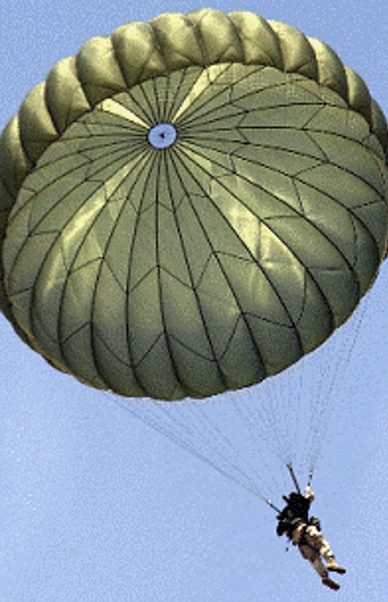
     As we suited up for the jump, I noticed we would be using the standard T-10 parachute, similar to what I had used in all my jumps.  One major difference, however …  when I asked for my reserve ‘chute, I was told “it was not needed; it would only get wet!”
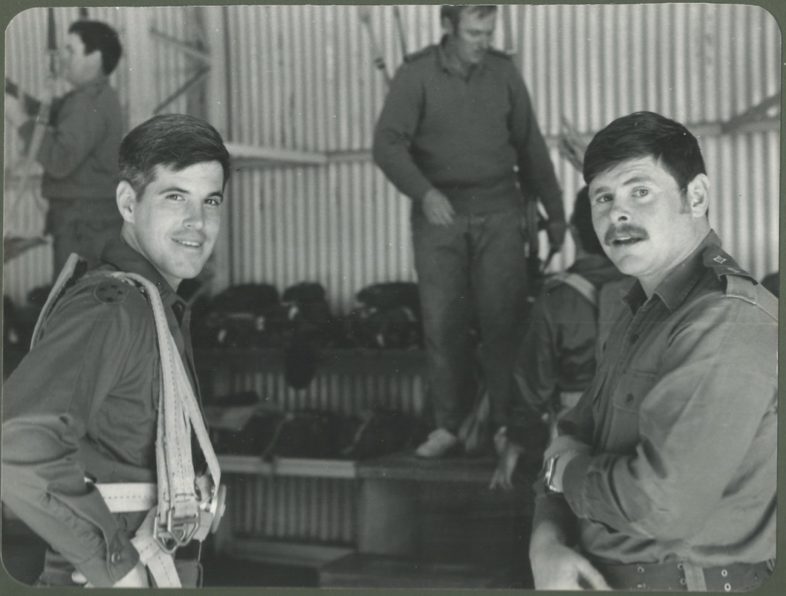
Author (l) and Australian Army Captain Counterpart
T-10 Parachute

     Our instructions were simple: once we jumped from the aircraft, we were to keep our eyes on the 500-foothills surrounding Williamtown.  Then, when about eye-level with them, to turn our quick release buckle and strike it to loosen all our parachute harness straps – that meant we would then be dangling by the 2 straps under our armpits 500 feet above the water – not a comfortable idea, but better than getting entangled in the straps, lines, and canopy when we hit the water.
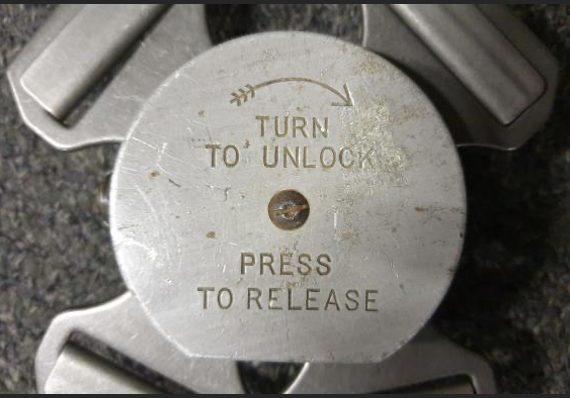
Quick Release Buckle for a T-10 Parachute Harness

     We four Americans boarded the aircraft, an Australian RAAF Caribou, and sat opposite our 5 Australian friends.  It was a beautiful day, although the winds seemed brisk on the ground.  Aboard our lead plane was a “wind dummy” which the Aussies planned to kick out to measure windspeed and direction for safety.
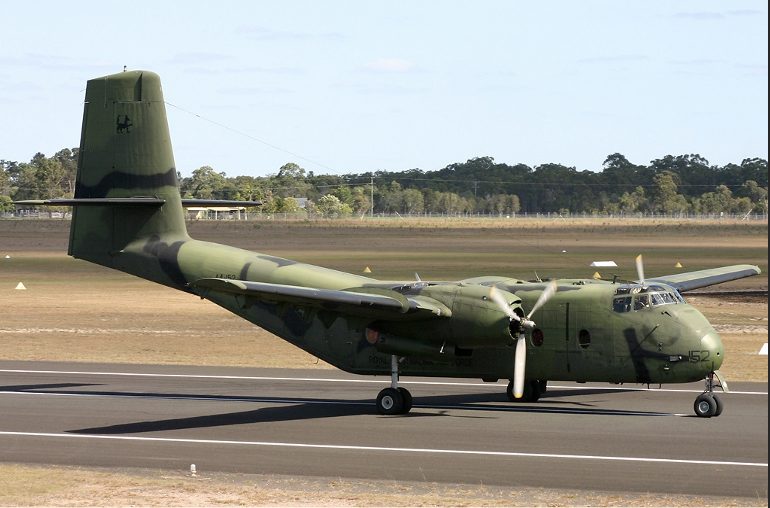
RAAF De Havilland Canada DHC-4A Caribou

     On the first pass at jump altitude, the Aussie “stick,” led by my counterpart captain, briskly walked off the lowered rear ramp while we watched as their canopies fully deployed and the ramp closed up.  Next pass would be our turn.

     Within a few minutes, our plane looped back over the water, the ramp dropped open, and the green GO light popped on.  I led my 3 cadets off the ramp into the cool air and watched as each of our ‘chutes fully opened.  I guess we didn’t need that reserve after all!

     Not much time to think, though, as I descended rapidly and popped the quick release button at about 500 feet and dangled by two harness straps under my arms.  As I neared the water, I then became aware of the high wind speed.  During my final 50-foot descent to splashdown, I was sailing horizontally on my back above the water.  I pulled my arms up over my head, slipped out of the harness straps, hit the water and watched my chute still fully inflated and sailing away, greatly relieved to be unentangled.  And, true to their word, the Aussies plucked us all out of the drink quickly and sped us to shore.

     Now safely on shore with my cadets, the senior Aussie Parachute School officer explained that all remaining jumps after ours were cancelled because wind speed had exceeded 20 knots, well above the safe jump limit.  He then told us that the Aussie captain who jumped ahead of us had been blown ashore and landed on top of a building, breaking his leg and barely missing a high-tension line.  He quickly added, “No worries, mate!  We didn’t want to disappoint you Yanks by cancelling the jump too soon before you had your chance!” 

     Needless to say, we were all thankful he did not cancel the jump and very grateful that the water descent ended safely for us.  But mostly, we Yanks knew that the Aussies knew we met their challenge and upheld the honor of the Corps!
Written by Suzanne Rice · Categorized: By Eric Robyn

Jun 10 2024

Murphy – Home and Reception – 1971

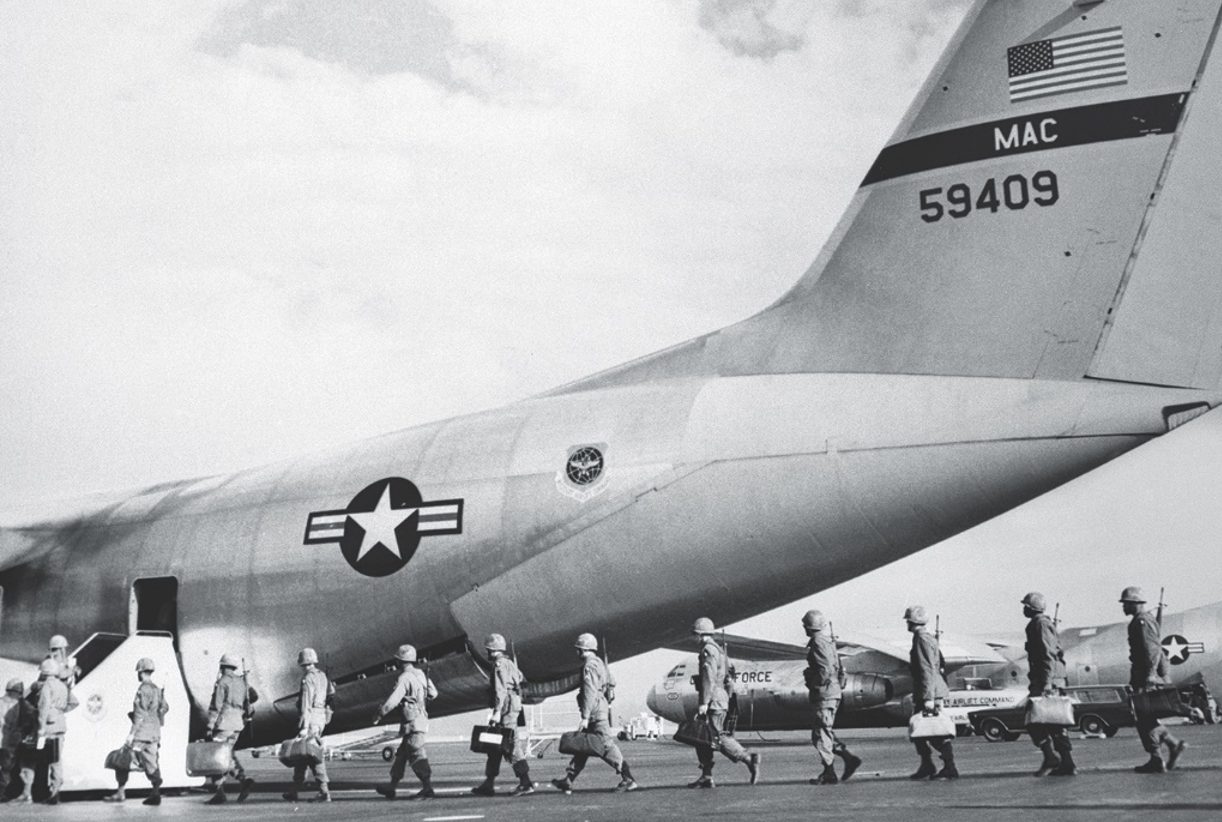
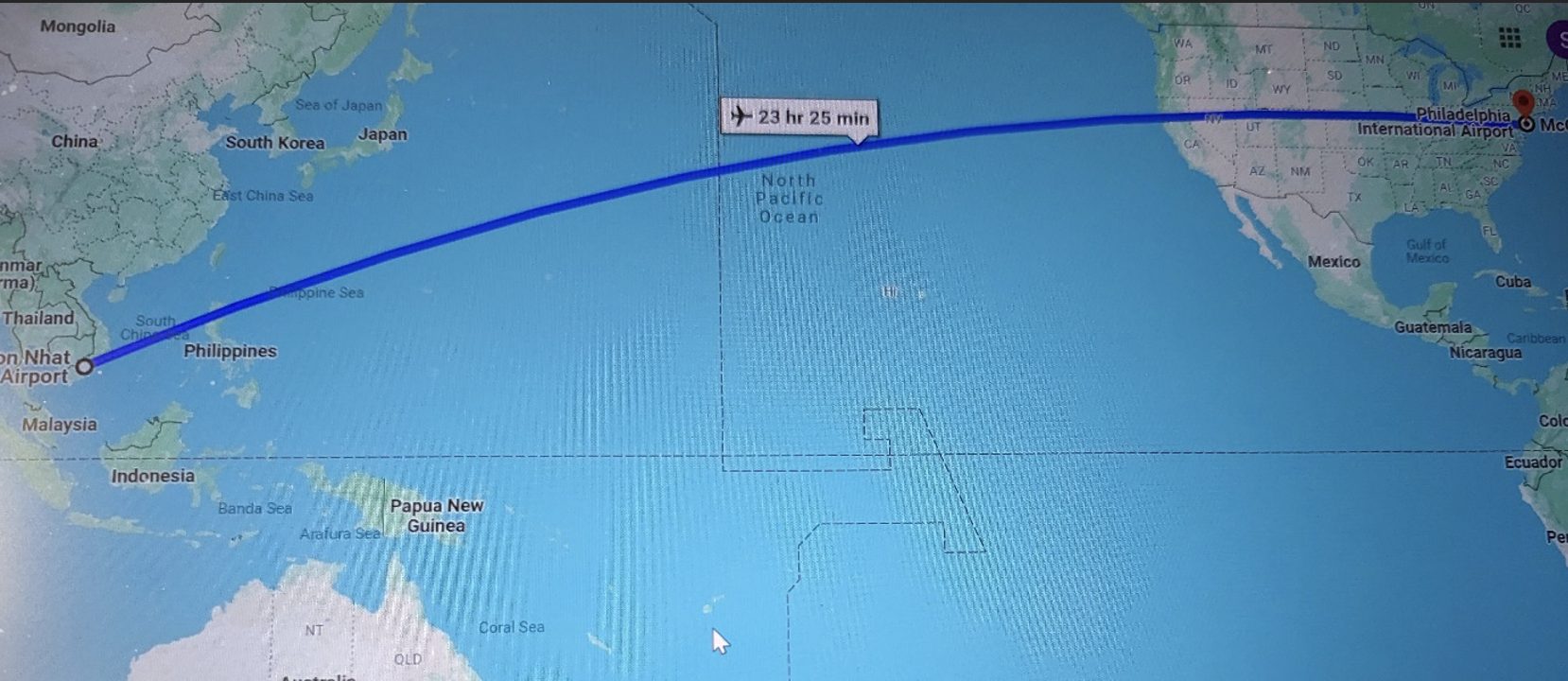
     Getting home was a full-time goal in July 1971.  It was on what I concentrated my thoughts and days.  I found out that I could get a “drop” of two days if I was able to get the direct flight from Saigon’s Tan Son Nhut airbase to McGuire in New Jersey.  There would be no need for another civilian flight from the west coast.  Battalion arranged it and I left early.

Flying Across the World to Get Home

     We were flown from Phu Bai by C-130 to Saigon — my first and only visit to the capital.  It was a different Vietnam and seemed quite secure.  Troops were in Khakis and the roads were bustling.  We were billeted in barracks much like arrival at Long Binh as I recall and had a whole new out processing again that took several days – mostly because we all had to undergo drug tests.  If you failed, you were extended to rehab as the Army did not want to return current addicts to the states.  Some troops were a bit anxious as we waited the test results.

    We also were able to purchase new uniforms and put our ribbons together.  The climate played hell with mold and mildew on the stuff we brought with us.  I had several awards to which I was entitled.  Of course, I had the US Bronze Star medal with “V” for valor and Vietnamese Cross of Gallantry with Silver Star for Lam San 719 which I was proud to have.  Interestingly, I would later get the citations for each.  According to the US citation, I cleared numerous enemy mines – most all were Marine mines.  And the Vietnamese apparently divided the killed enemy and weapons captured in an operation among medal recipients – I got credit for 37 kills but killed no one I knew of in the operation. 

     I also had another Bronze Star and Army Commendation Medal from the division for service in a combat zone.  These two were called “roster awards” in the division.  If you kept yourself clean and alive for six months you got the Commendation Medal, for ten months the Bronze Star – they were for honorable service in the combat area and issued by roster lists — I did not think too much of them.  I also got the US Vietnam Service Ribbon and the Vietnam Campaign Medal for the same thing – being there.  I was really glad not to have a Purple Heart, but so very respectful and proud of those who did.  The guys next to me got hit, but for some reason God spared me.

     The third medal I was proud of was an Air Medal award.  In WWII you received an air medal after 30 combat missions in an aircraft (like B-29 missions over Germany).  In the airmobile Army, you got one for 30 combat assault helicopter flights.  Pilots and crews had dozens of awards – many oak leaf clusters.  All you had to do is keep track of the CAs (combat assaults) you were on.  LTC Rodolph’s staff had turned our officers on to the recognition and submitted our guys when we hit 30.  I had one award.

     I want to make something clear about military awards.  I was around some very brave men – men who acted without regard to their own lives and in defense of their buddies.  Sometimes, they get recognized with a medal because someone else takes the time to recommend them and write the justification.  That did not always happen because of time or circumstance.  With the exception of LTC Rodolph’s Silver Star, all the valor awards I saw awarded were earned – Chaplain Young’s stands out.  I guess service awards are for doing your job.  Not sure where that ends and exceptional effort begins.  There were a lot of exceptional and brave guys in Vietnam without many military awards.

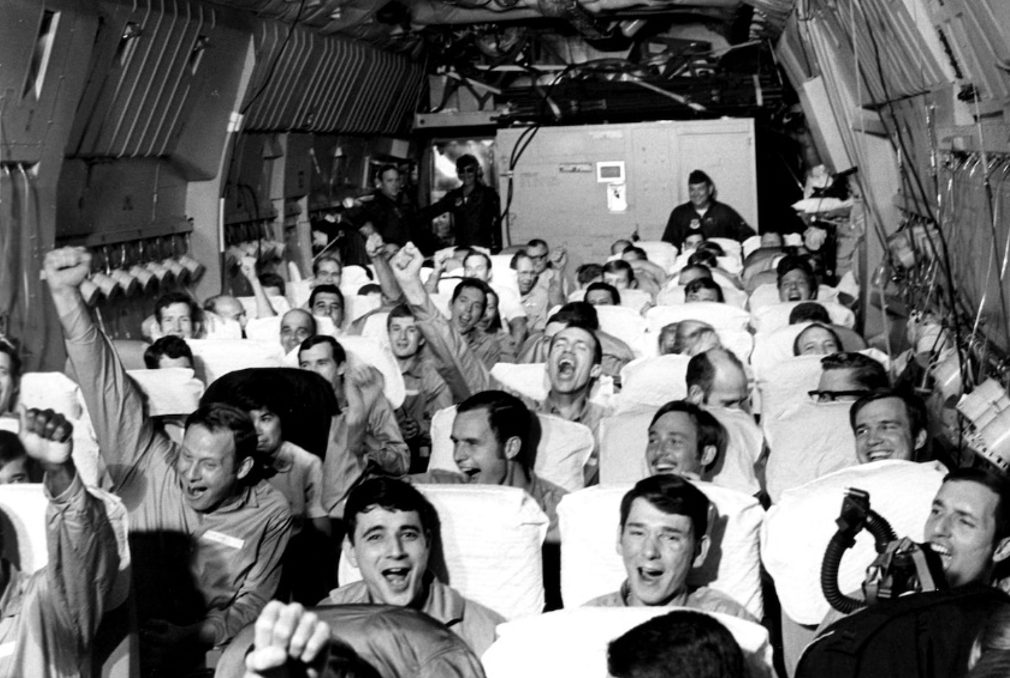
     Anyway, we finally left Saigon on a commercial airliner and the cheer was deafening as the plane took off. 

Going Home Cheers

We again flew for hours through Japan and across the polar ice cap.  I remember how beautiful the Great Lakes were from 35,000 feet. 

     We arrived at the New Jersey airbase and processed through customs.  I had no souvenir weapons or stuff, and my jungle fatigues and gear were taken from me at Saigon.  The customs agent at the base was very nice and he said, “Welcome home, Captain.”  That was my first greeting.

     Several family members met other troopers, but I knew I would be alone.  I had hoped to surprise Mary Ellen with my early return and planned to take a bus to New York and another to Teaneck.  She knew a “drop” was possible, but I still thought I could surprise her.  She knew the plane was down and I had returned.  In those days information was given out readily.

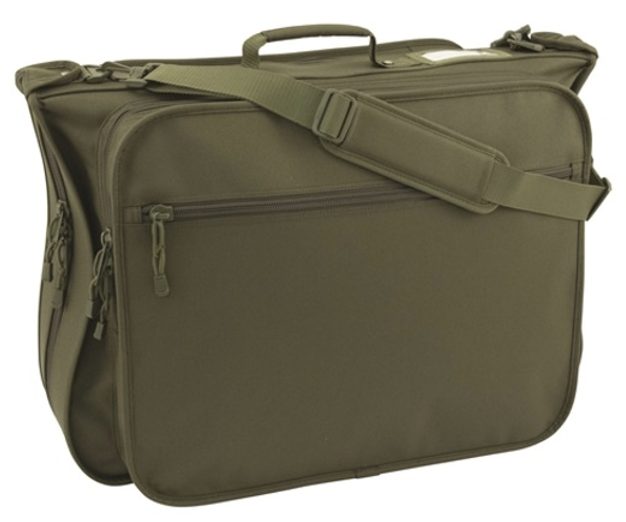
     I took the bus to New York’s Port Authority Building in Manhattan.  I was in clean Khakis with my ribbons and carrying my B4 bag.

Olive Drab B4 Bag

To most everyone I was invisible.  Several in the station did look at me and then quickly away – one hippie- type spit in my general direction.  Homecoming was not so welcoming an affair from many of my countrymen.  On the bus to New Jersey, I sat near the driver — nice guy.  We passed some girls in hot pants (real short, tight pants) that had become popular while I was away.  I stared and he said, “Well, soldier, some things have gotten better.”  I agreed. 

     I got off the bus at Queen Anne Road and Cedar Lane as I recall and walked the several blocks to Grayson Place.  My pace quickened with each step, and I hoped that Mary Ellen and Sean would be home.  I rang the doorbell and her Mom answered.  I walked in and Mary Ellen leaped at me from the kitchen.  She was wearing a yellow hot pants outfit and I thought she never looked more beautiful – lucky guy I was, indeed.  We kissed and held each other like there was no tomorrow, and her parents retreated to the kitchen.

      Sean was not there.  Anne Marie and Kathy, Mary Ellen’s sisters, had taken him out for a walk in his carriage.  Soon they returned and I held him for the first time in my life.  What a feeling!

     After some calls to my folks and an evening together, we traveled the next day to Port Chester to see my Mom and Dad.  While the year had been hard on Mary Ellen and me, I really did not appreciate the tough time I had put my parents, brothers, and sister through.  We all enjoyed the reunion. 

     One of our neighbors down the street had penned a makeshift sign and put it on the lawn.  All it said was “Welcome Back Capt Murphy.”

This is the final chapter of a seventeen-part series, entitled “Pop’s War”, written originally for and dedicated to the Murphy grandchildren.

Written by Suzanne Rice · Categorized: By Wayne Murphy

May 28 2024

Making Captain and Leaving the Platoon – 1971

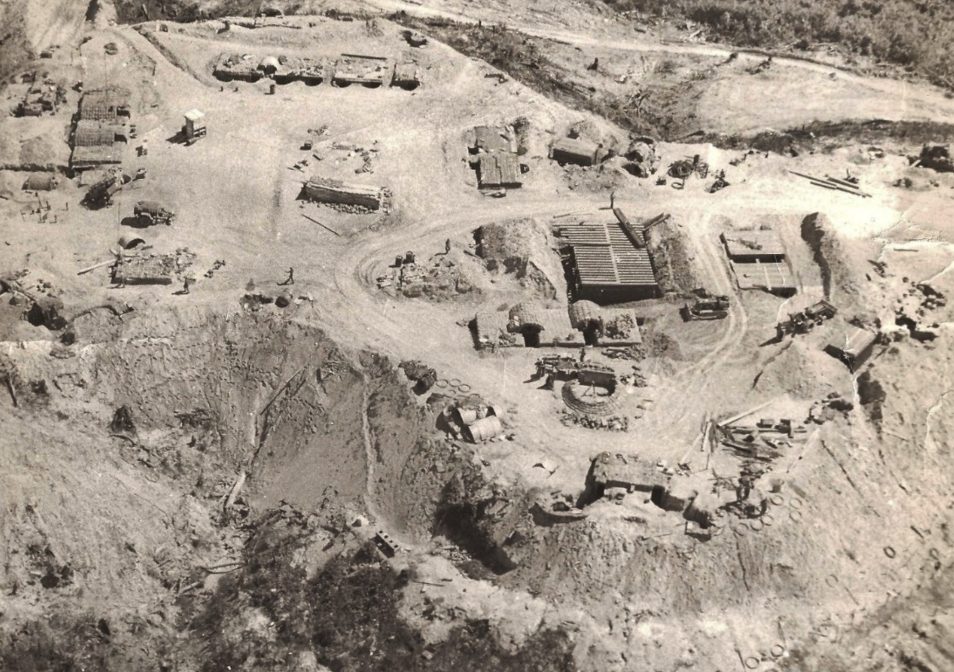
The time passed quickly as we finished the fortifications on Rifle and prepared a turnover to the ARVN.  The attack we had weathered was apparently more than an isolated action.  We were told that several firebases had been hit throughout Vietnam that night in some kind of celebration of Ho Chi Minh’s birthday month.  We seemed to have the fewest killed and division was happy about that, but we used a shitload of ordinance to get only seven confirmed kills.  They were not happy with that.

     My relationship with the men was very good and we had deepened our bond a little more.  You know the line about “he who sheds his blood with me” from Shakespeare and the Band of Brothers thing.  However, with another eight new guys about a third of the platoon turned over.  I try to recall their names.  I can see their faces, but maybe it was a defense thing that we just cannot remember each other.  The constant turnover contributed to the “detachment” I fear.  The WWII 101st “Band of Brothers” went through training together and fought together for less than a year (Jun 44-May 45).   But they were kept together.

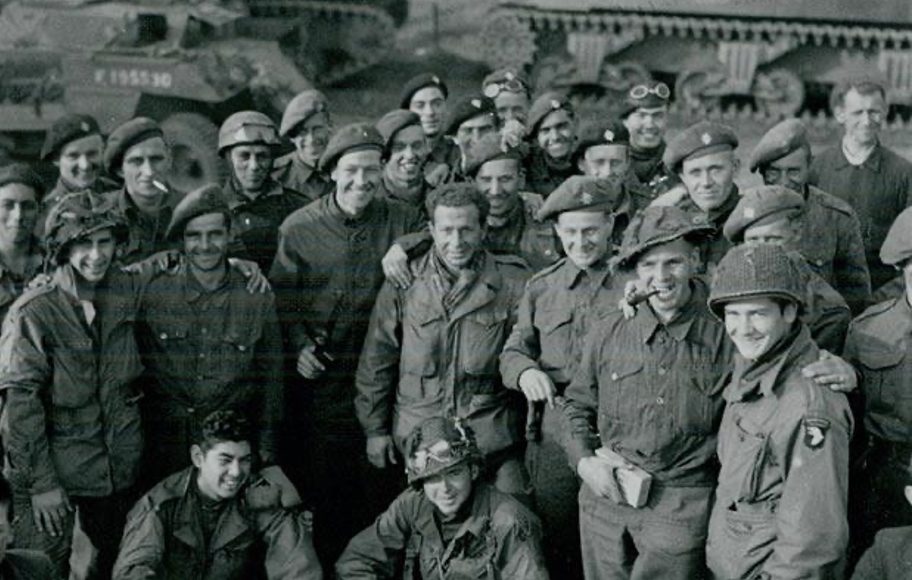
Band of Brothers WWII

Anyway, other than my classmates, I really never saw any of my guys again.  That may be why my class from West Point is so cohesive – we trained, fought, and served together for many years.

     On 4 June 1971 there was a rather large promotion ceremony at the 326th Engineers.  All the Class of 1969 made Captain.  The Army was hurting for officers at almost all levels.  We were one year to 1st LT and one year to Captain.  (I would get an “early” promotion to Major seven years later in the drawn down volunteer Army – the end of the war really slowed promotions.)  Tours were very short in company command (six months) and even battalion command (one year).  Cohesive was not a term to describe any unit. 

     In any case, we had to move up – that meant leaving the platoon.  I think (rank of or description of) SFC Tietz was actually glad – he now could take it over without an officer “in the way.”  I still worked at Rifle for a while.

     On one afternoon LTC Rodolph landed and inspected the base.  It was a good inspection, and he was very pleased with our product and actions.  At this time, I was close to the men and had the same thoughts as they – get home and get out.  The Colonel offered me a chance at company command.  I would get a 30 day stateside leave but have to extend for another six months back in country.  He argued how great that would be for my career.  I told him as strongly as I could that my only “career” move was to get home to Mary Ellen and Sean. 

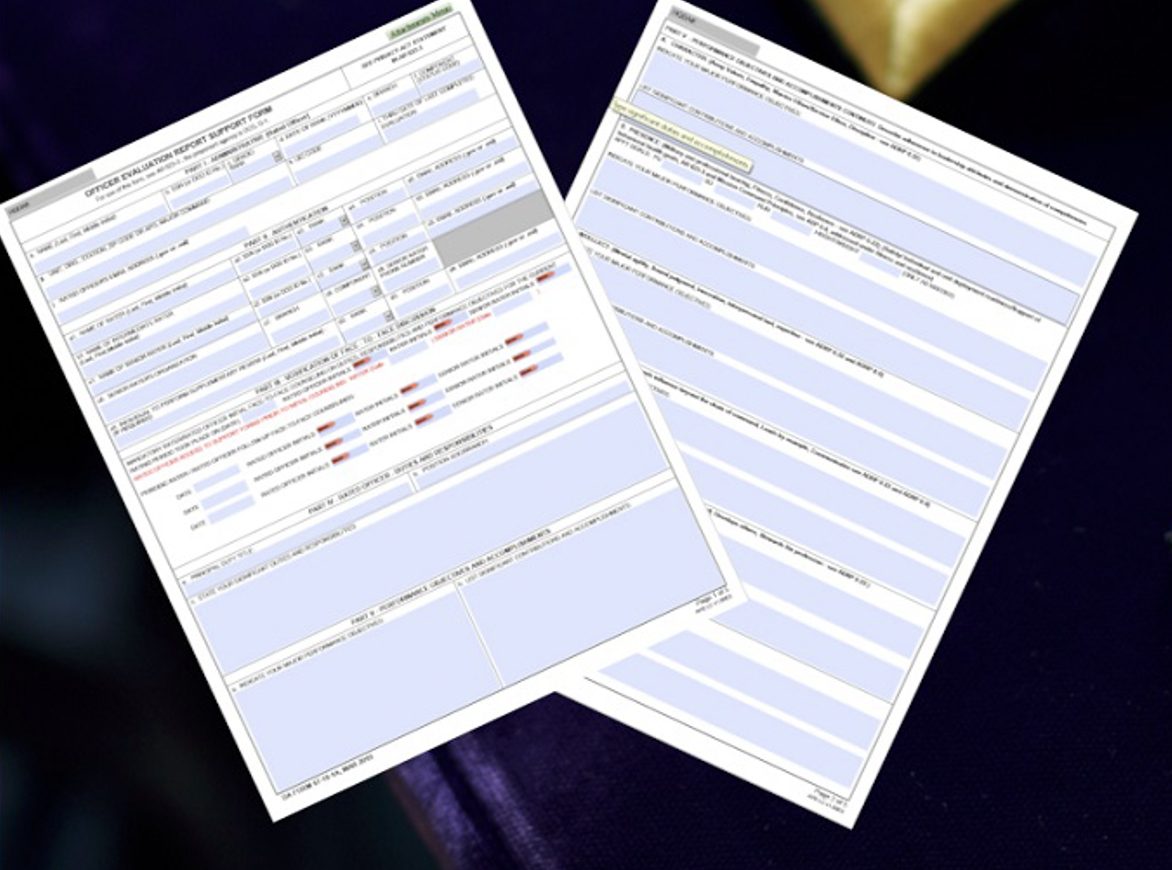
     He also held a 101st Airborne Association membership form and an AUSA membership form.  He wanted 100% of his officers enrolled and had noticed I had not joined.  I told him I was in the field and not particularly interested – my Company Commander had not been very successful in his recruitment attempt.  He held an excellent Officer Efficiency Report in his hand and the applications in the other.  He told me I should not waste my efforts in-country with a silly mistake of not joining.  I joined – but became even more certain I was getting out of his Army ASAP.

Officer Evaluation Support Form

      He did ask if I liked my next assignment (he was the former head of Engineer branch in DC) and I told him I really would have liked Ft Carson, but that Bragg and the airborne were fine.  He smiled.

     LTC Rodolph turned over command to LTC Sisniak in June.  LTC Sisniak was a good guy, but I was with him only a short time.  LTC Rodolph was quite an egotist, but also quite effective and with no lack of courage.  I think he just was feeling badly that this war placed him away from the action, and he longed to be a part of it.  I ran into him in Hawaii in 1978.  He was the head facility engineer in Oahu and I was in the Pacific Ocean Division of the Corps.  He had a beautiful home on the north shore, never made flag rank, and did his military retirement there. He passed in New Mexico in 2007.

     My duties in late June and July were as the executive officer of C Company, over slotted as a Captain in a 1LT position.  I ran the admin for the company and visited the platoon from time to time.  One duty had to do with “C Day” as I recall.

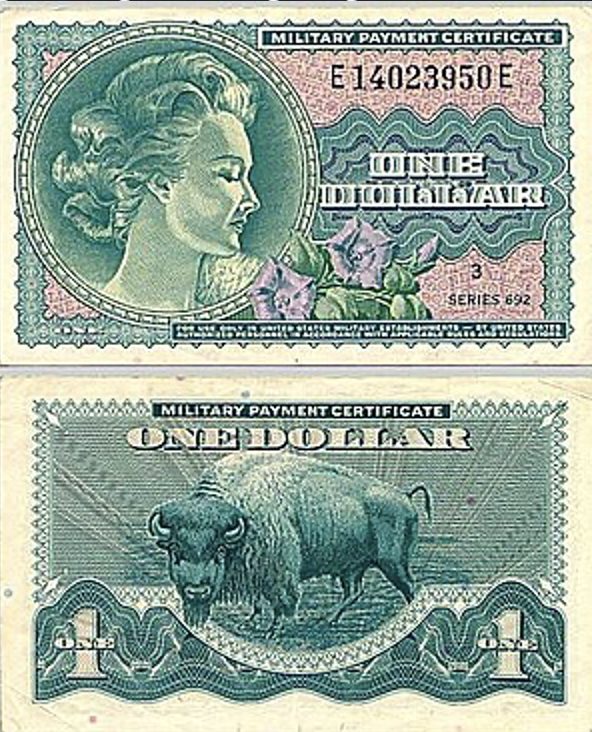
     In Vietnam the troops were not paid in US Dollars, but MPC (Military Payment Certificates) or script.  Most of your pay was in allotment home or to an in-country GI savings account.  Congress did not tax your pay while in a combat zone.  You drew MPC enough to buy sodas, PX items, haircuts (in the field we had a kit used by a designated trooper), etc.  The troops were not supposed to buy directly from the locals, but they did (prostitution, drugs, etc.)  Some guys made money gambling or selling drugs.

Military Payment Certificate in Vietnam

     To thwart these black-market dealings, we would have a C Day in-country.  A very highly classified day when in a 24-hour period all MPC would be exchanged for new MPC making the old stuff as useful as monopoly money.  There was a limit on how much a troop could exchange.  Bases were sealed and the exchange done.  Needless to say, a whole new market on exchange rates occurred.  Some ladies would even try to get through the wire to cash in old stuff.  If a troop was over his limit, only an officer’s affidavit explaining the overage allowed exchange – usual reason was gambling winnings.

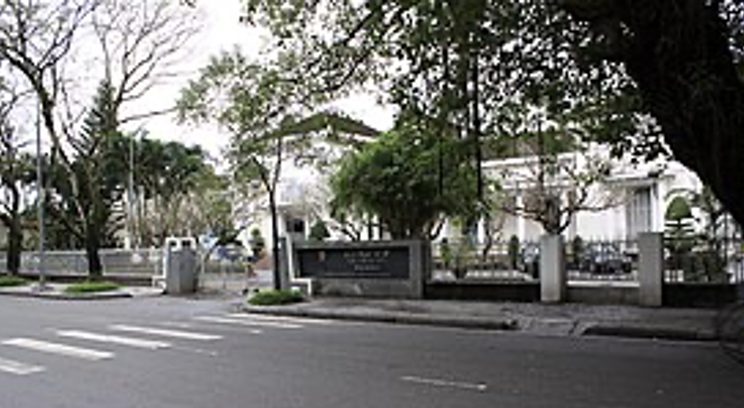
     Anyway, for some reason, I got to bring the new MPC to our Camp Evans guys.  Also, for some reason, I could not get a bird and that meant driving there through Hue and up QL1 with all that “new” money.  That was a cool ride and passed the local university.  Different kind of ladies and gents at the university area – the traditional white dress over black outfits and conical hats you see in some movies.  Also, the girls of mixed race (mostly French-Vietnamese) were quite pretty and my driver liked the trip. 

University of Hue

     As we got near the bridge over the Perfume River in downtown Hue a firefight broke out between the National Police and troops of the 1st ARVN Div.  Some kind of local dust up I supposed.  We sat back a ways and watched.  Several hundreds of rounds were fired – and not a single person hit.  Then things calmed down and traffic resumed. 

     This reminded me of an earlier trip in my tour.  I was traveling through a village south of Hue and traffic was heavy.  It was just me and my driver and we were stopped.  Just then a “slicky boy” and a compatriot rushed our jeep and literally ripped my watch off my arm.  He ran down a small street.  It was the watch Mary Ellen had given me as a wedding present and I was pissed.  I got out, charged my M16, and took a good aim at the running kid, about 12 years old or so.  I was contemplating firing when he looked back right down the barrel line and then threw down the watch.  My driver jumped out and charged his weapon.  The locals all were quite amused, to include the National Police officer in the crowd.  We moved our weapons back and forth and the laughter subsided a bit, and I walked over and picked up my watch.  The boy had literally run out of his sandals.  My driver picked them up and threw them in the jeep and we drove off as traffic had subsided.  We did not think much of the people that day.

     In the last few days in-country, I started to get short-timers syndrome.  I just did not want to get hit or killed with less than 30 days remaining.  So it was with some trepidation that I delivered the pay to our firebases.  Since Rifle had a road, I was to use a jeep again.  Driving that road and country where we had fought some skirmishes was kind of rewarding.  The road was quite passable now and there had been no action for some time.  We went alone with just me and my driver.

     We passed the last section of flatland and went through the low-water crossing.  We were aware of the reoccurring rumors of supposed NVA infiltrating in ARVN uniforms.  As we passed the crossing, we saw four ARVN uniformed troops with no gear crouching on the side of the road.  They saw us, stood up, smiled, and waved.  This was a bad sign for several reasons.  First ARVN troops were usually indifferent to US troops at best, and second soldiers were never totally without weapons and gear.  We smiled, waved, and hit the gas.  I reported this when we got to the hill.  No ARVN were supposed to be in the area.  Anyway, the trip back was a bit tense.

     My other duties were with the “problem” guys.  Vietnam took a terrible toll on the young men who served.  I estimated at the time that over 70% of troops had at least tried coke or marijuana with about 25% having a problem kicking it.  The gooks sold it at $2 a cap and things were bad in the rear areas.  The Army would fight this scourge for years.  Those discharged basically had to fend for themselves in the civilian world.  When we returned there was not much help for Vets in general and almost none for addicts.

     Other guys were really not supported from back home much at all.  Several got the standard “Dear Johns” as absence did not make the heart grow fonder.  Typical was my driver in the platoon.  He was a good man and my cohort at the Khe Sanh night mine sweep.  But he was all of 19 and had a 17-year-old wife at home (shot gun wedding before he deployed or face statutory rape charges from his father-in-law).  Anyway, she was running around and filed for divorce.  He was crushed – I had no idea what to do or say.

     The lack of communication back home was so hard to take – not knowing.

Written by Suzanne Rice · Categorized: By Wayne Murphy

May 03 2024

Lessons I Learned on the Way Out – 1970

vietnam war story

     The year just past – 2023 – marked fifty years since the official end of the Vietnam War for America.  For many who served – including me – the Fifty-Year Commemoration invoked any number of memories.  Please bear with me as I share a few.

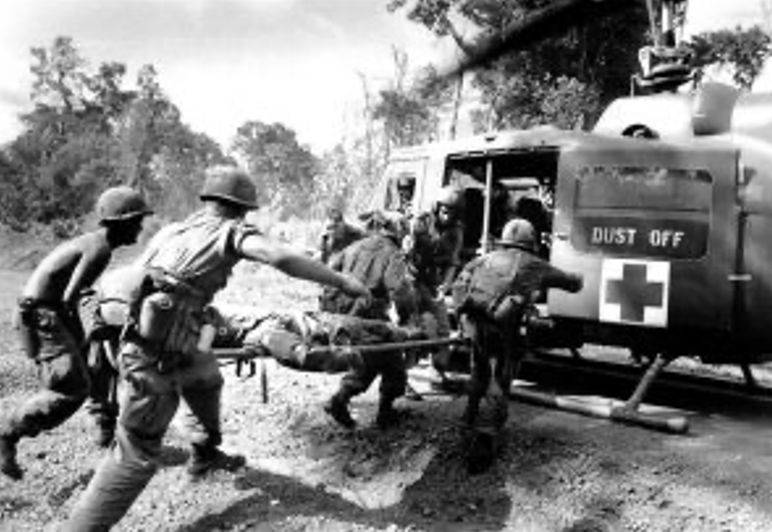
     My tour of duty in Vietnam was cut short when I failed to duck fast enough and low enough and was wounded in action.  I prayed for help, but the Good Lord was ahead of me.  He already had seventeen Guardian Angels on the ground with me – the very young Enlisted Soldiers of my platoon – all between seventeen and nineteen years old.  They saved my life by enabling my safe medical evacuation.  My respect and gratitude for Enlisted Soldiers is without limit.

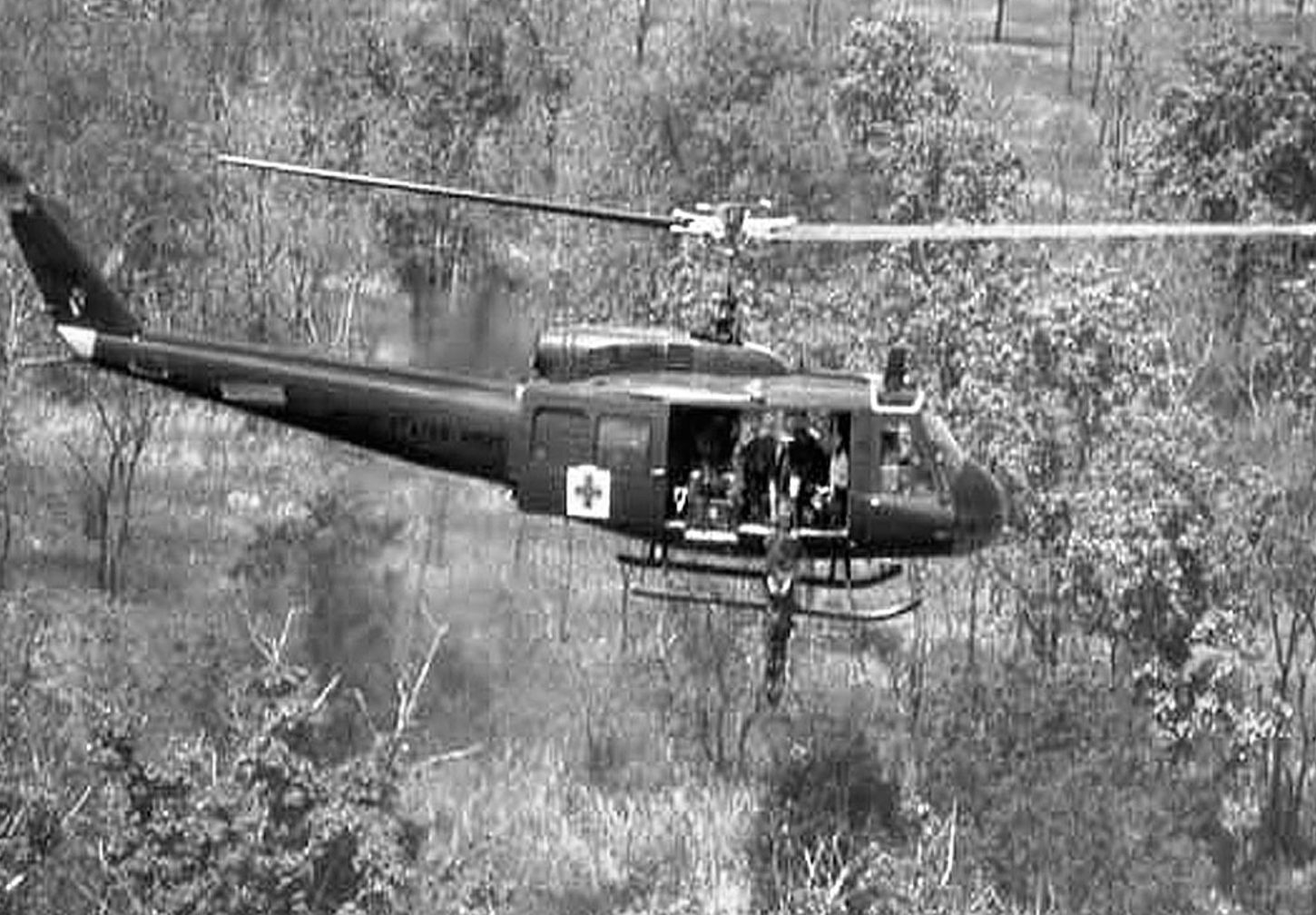
medivac helicopter vietnam
Moving a Wounded Soldier to Medevac Helicopter

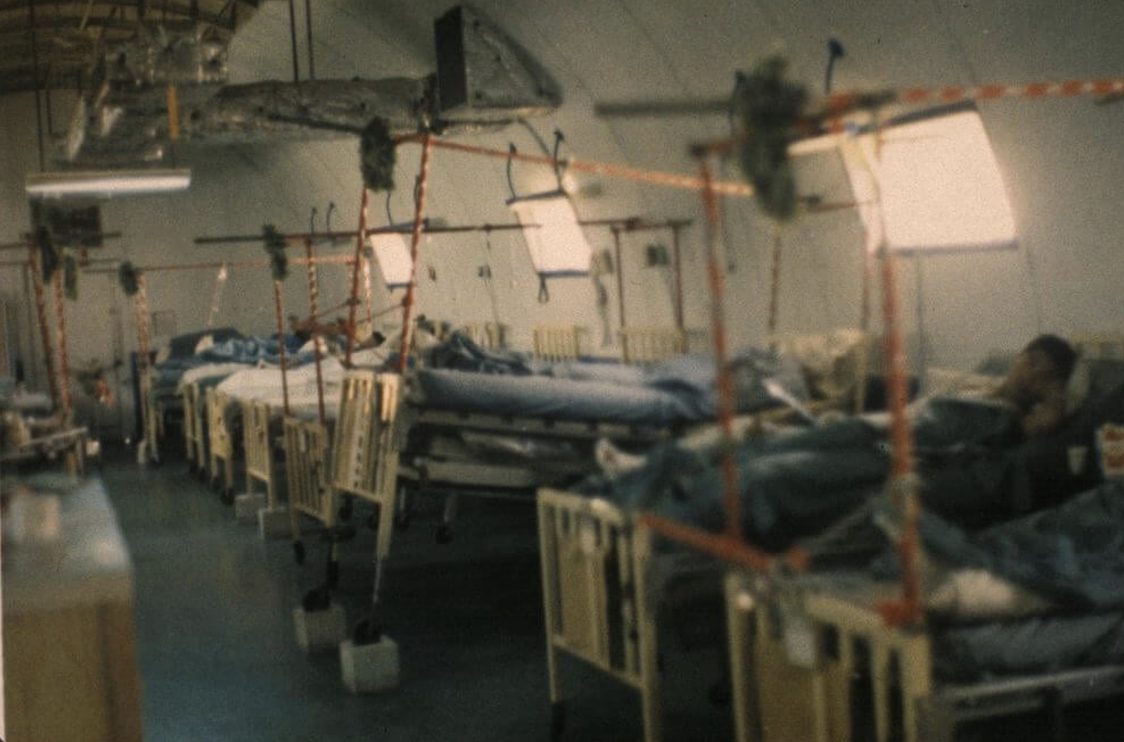
     After surgery and some recovery time at the Army hospital at Long Binh, I was shipped with other patients on the way home to the Army hospital at Camp Zama, Japan.  The recovery period in Japan was an important transition time.  Immediately following our surgeries in Vietnam, many of us were on heavy pain-killers – morphine or other narcotics.  Our stay in Japan was the time to ease off those drugs in preparation for our return home. 

medical hospital vietnam war
American Evacuation Hospital in Vietnam  (MN Remembers VN)

     At Camp Zama, I was in a mixed ward of about eight wounded Officers and Enlisted Soldiers.

camp zama vietnam war
Camp Zama, Japan

About a week after I arrived, a young soldier – perhaps eighteen or nineteen years old – was carried in.  He had stepped on a land mine.  The booby trap had taken off his right foot. 

     Within a day after his arrival, his condition became extremely serious when an artery opened near the wound and he was losing blood quickly.  An Army doctor and a nurse came to his bedside immediately to stop the bleeding.  As they began to work, the soldier’s pain dramatically increased.  He cried – and then screamed loudly.  As I recall, they didn’t give him any painkillers.  Perhaps it was because he was transitioning off narcotics – or perhaps the drugs would have aggravated the bleeding – or more likely because there wasn’t time given how much and how fast he was losing blood.

     In the midst of the now very loud and continuous crying and screaming, the doctor and nurse remained focused, stopped the bleeding, and saved that soldier’s life.  He could have died right before our eyes.

     The next day, after he had rested and recovered from the pain of the day before, that young soldier did something I will never forget.  He asked the nurse for a crutch, and he got out of his bed.  Then he carefully hobbled around to each of us in the ward – to apologize – for not “keeping it together” – for not handling his pain in a better way.  All of us were stunned.  We were almost in tears when he went through his excruciatingly painful ordeal – and now, almost in tears again, at this soldier’s humility.

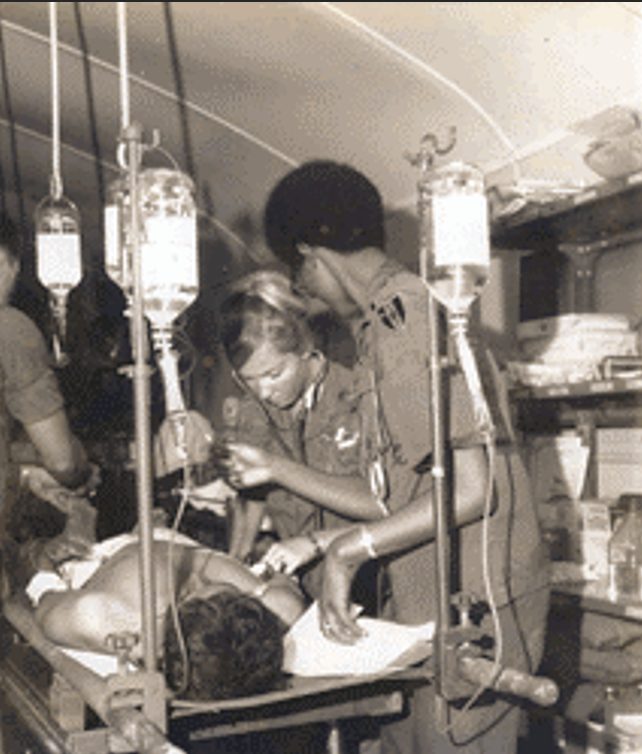
     I learned two lessons from the events of those two days.  First, I could never be a doctor (or nurse) – certainly not an emergency room physician (or assisting nurse).  I understand, of course, these doctors and nurses train intensely to develop the skills needed to perform just such life-saving work.  But to be able to perform those tasks under conditions of extreme pain for the patient remains a wonder to me.  My respect and gratitude for such doctors and nurses also is without limit. 

Heroic Medical Personnel in Vietnam (Army Nurse Corps Association)

     The second lesson I learned was from that young, seriously-wounded, soldier.  I suppose he believed we may have thought less of him because – in his eyes – he didn’t bear up well under his pain.  All of us in the ward knew, however, that had the situation been reversed, we would have screamed as loudly or more. 

     That soldier could have remained quietly in his bed for his remaining few days at Camp Zama without saying a word to any of us.  He would have moved on quickly along with the rest of us – far from the memories of that time.  Instead, he felt the need to come to each of us face-to-face – his fellow soldiers – to say, essentially, that he had “not measured-up” as a soldier and as a man.  He left us speechless.

      Courage comes in different forms.  It’s not just battlefield courage.  It took real courage for this young soldier to come to the rest of us in this way – in an extraordinary show of humility.  His actions were unnecessary, of course – but not without deep meaning and effect.  Would any of the rest of us have shown such humility and courage?

I’m certain the young soldier had no idea that anyone would remember – with respect and thanks for his humble and courageous actions – more than fifty years later.

      I still pray for him and all the others who served so many years ago.  

Written by Suzanne Rice · Categorized: By Mike Nardotti

Apr 22 2024

Europe – Over Three Decades

From: Scott Wallace

(1983-1988, 1992-1994, 2001-2003)

     I had the privilege of serving in various US Army positions in Europe (principally Germany) over 9 years.  Each of my tours was in a different decade, and upon reflection, each was a dramatically different phase of European and American history. 

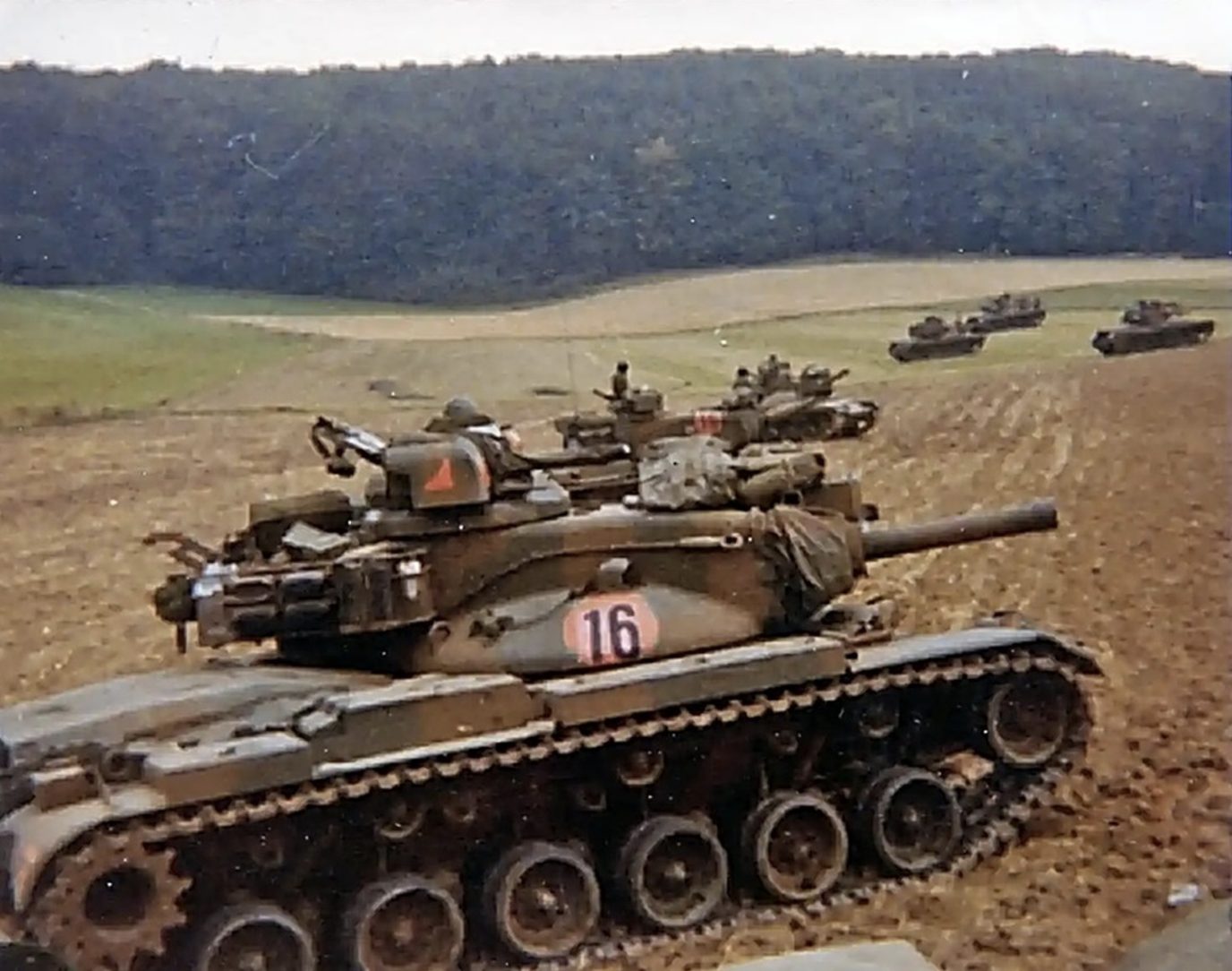
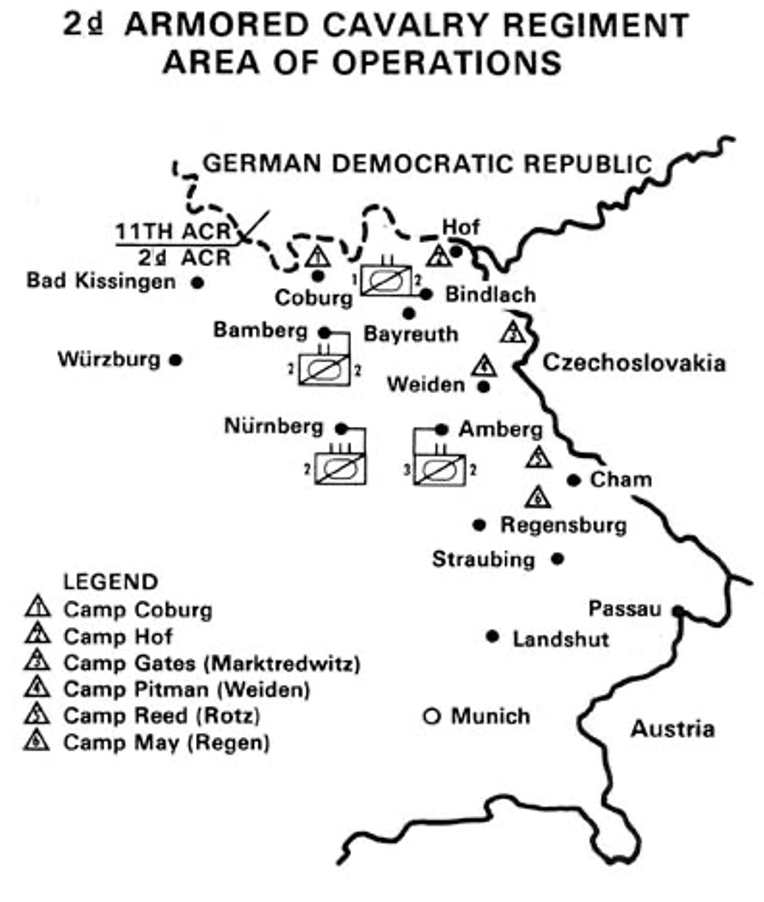
     I served in the Second Armored Cavalry Regiment (2d ACR) from 1983 to 1988, serving at both the squadron and regimental level.  They were the days of the Cold War and the tension between the west and the Warsaw Pact ebbed and flowed with the political climate on both sides of the ocean.  Yet, some degree of tension was always present.  The Regiment assumed operational control of the divisional cavalry squadrons of the Third Infantry Division and the 1st Armored Division for the purpose of border surveillance, conducted from six remote camps along the West German border with East Germany and Czechoslovakia. 

east/west Germany border
East/West German border

     During the period, military alerts and deployments which practiced movement to initial defensive positions were common.  One never really knew if the call to deploy was for practice or the real deal.  Each call was taken seriously, and from our positions along the border there was the realization that any provocation by the Warsaw Pact would be ours to deal with as best we could until other deploying formations were in position.

     The Cold War would turn hot on occasion, if only briefly.  I vividly recall three incidents, in particular.  Once, in late October 1985, one of our Regimental helicopters was on patrol along the border when a Czech jet aircraft fired upon it, subsequently claiming that the helicopter had violated the border and was thus a viable target (our detailed analysis proved the Czechs to be absolutely wrong).  I was surprised when much of our reporting of the incident showed up on the front page of the New York Times … verbatim.  A second incident was relatively benign, but interesting none the less as a Czech pilot flew his helicopter over the border into West Germany and asked for political asylum. We kept the pilot and gave back the helicopter after a thorough look to see if there was anything of intelligence value.  My final recollection was the death of a West German civilian who was shot and killed in 1987 by Czech border guards as he took a Sunday stroll in the normally bucolic woods near the border.  As a result, and in response, diplomatic relations between West Germany and Czechoslovakia remained suspended for almost a year.

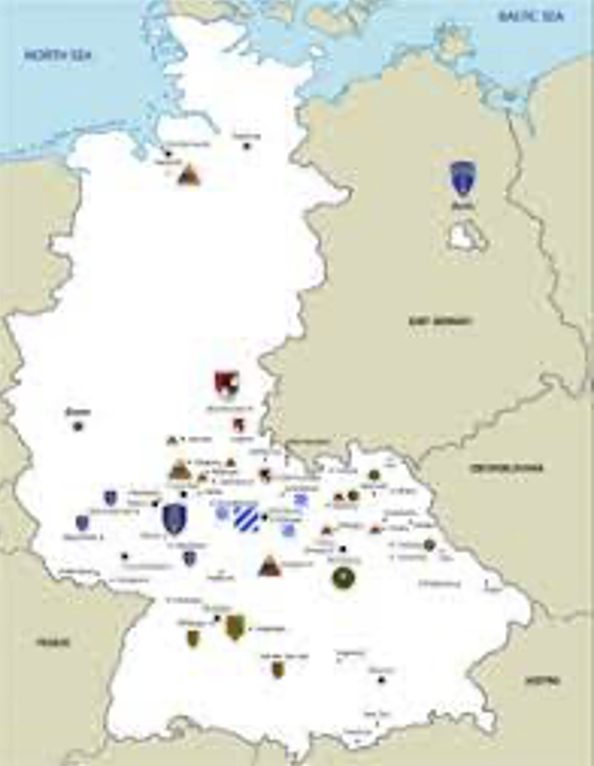
American posts in 1987

     I left Germany in 1988 bound for the Navy War College never expecting there to be anything but an Iron curtain separating east and west on the European continent.  I watched in amazement, along with much of the world, from my seat at the War College in late 1989 as the Berlin Wall fell and the Warsaw Pact began to crumble.

     After a tour at the Army’s National Training Center at Fort Irwin, I returned to Germany in 1992 to assume command of the 11th Armored Cavalry Regiment in Fulda, Germany.  My predecessor in command was Colonel Skip Bacevich… also, from the USMA Class of 1969.  This tour in Germany was different …. very different from my previous experience.  West and East Germany had reunified, hence there were no border operations or continuous patrolling of a sometimes-hostile line of separation.

     Our future in Germany was uncertain as the United States government wrestled with how to take advantage of the “peace dividend” afforded it by the fall of the USSR.  In time, it became clear that many US forces stationed in Germany would redeploy stateside, thus the mission of the Regiment shifted from combat readiness to taking care of soldiers, families and equipment in retrograde.

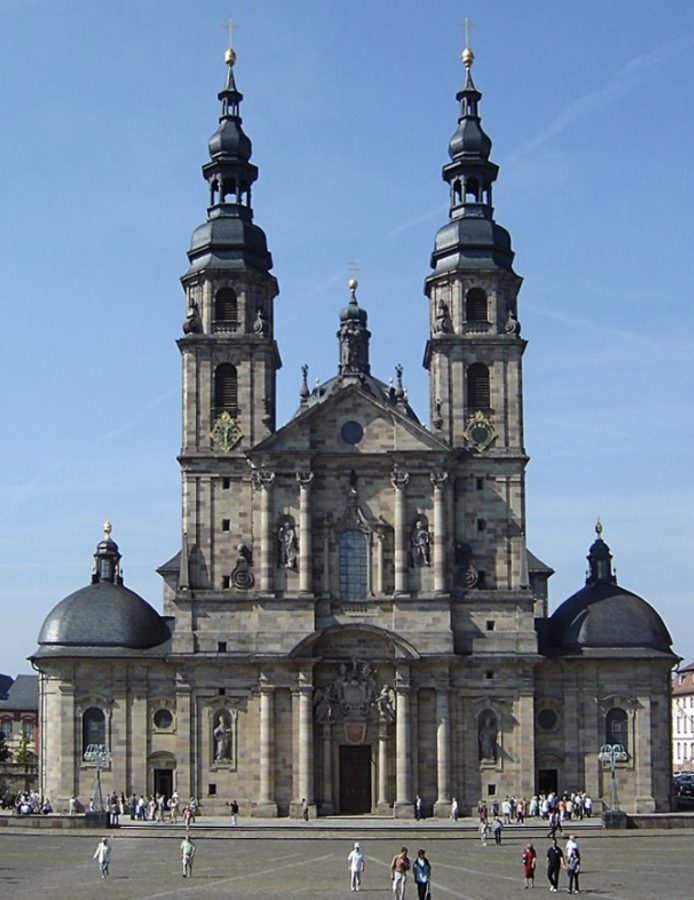
     The city of Fulda and its government officials had been exceptionally gracious hosts over the many years of US stationing.  Thus, in addition to our obligation to our soldiers and their families, some of our time had to be devoted to saying sincere and heartfelt thanks to our hosts.   We held farewell ceremonies in each of the host cities of Wildflecken, Bad Hersfeld and Fulda.  Perhaps our most meaningful farewell was a joint German/American evening church service held in the Fulda Dom followed by a torchlight parade of American soldiers through the old city of Fulda …. Thus, symbolizing the end of the US presence.

Fulda Dom
Inside the Fulda Dom

 To this day, the Fulda German-American Friendship Club remains active as does the German museum located at OP Alpha, the Regiment’s old border camp near Fulda. 

     I was the last 11th ACR Commander in Europe.  We closed down the Regiment in a simple ceremony in Downs Barracks in Fulda on 14 April 1994.  At the time there were 11 officers and soldiers assigned to once-proud 5000-man Regiment. I left Germany in April 1994 never expecting to return. But …. return I did. 

     I assumed Command of the Fifth US Corps (V Corps) in Heidelberg, Germany in July, 2001.  The Corps was a major US European headquarters with the mission of maintaining the combat readiness of forward-deployed formations within the Command. 

     One might recall that from the period of mid-1991 until late 2001 the Balkans imploded with multiple wars of independence, insurgencies and ethnic conflicts associated with weakening control (and ultimate dissolution) of Yugoslavia.  The United Nations stepped in with a peacekeeping force, of which the US was a part, designed to enforce negotiated cease fire agreements and to separate the belligerents. Thus, in addition to our combat readiness training, we were obligated to prepare the subordinate Divisions of the Corps (1st Infantry Division and 1st Armored Division) for peacekeeping operations in the Balkans. 

     The unthinkable happened and everything changed on 11 September 2001.  We found out about the attack on the United States during a leadership seminar I was hosting at the Community Club in Heidelberg.  The training focus of the seminar quickly shifted to force protection as I directed my Commanders to return to their home stations, upgrade their security measures and stand by for further orders. 

     There was an immediate and overwhelming voice of support from every community in Germany.  The main gate to Campbell Barracks in Heidelberg (the Corps’ headquarters) became almost impenetrable … not due so much to enhanced security, as due to the throngs of German civilians demonstrating in support of America and the flowers, wreaths and candles they left in their wake. 

     The V Corps began planning in earnest during the winter of 2001, eventually deploying to the sands of Kuwait in 2002, then on to Baghdad and beyond in 2003.  But that is an altogether different story.

     From Cold War border operations to the American drawdown in Europe to deploying from Germany to the Middle East … no writer of contemporary fiction could write a more unlikely or less believable story.

Written by Suzanne Rice · Categorized: By Scott Wallace

  • « Go to Previous Page
  • Page 1
  • Interim pages omitted …
  • Page 7
  • Page 8
  • Page 9
  • Page 10
  • Page 11
  • Interim pages omitted …
  • Page 49
  • Go to Next Page »

Footer

Historians and other inquiries.

Submit a Form

Join our community.
Subscribe to Our Bulletin

Copyright © 2026 · Site by RK Studios