• Skip to main content
  • Skip to footer

The Days Forward

West Point Class of 1969

  • Starting Out
    • Reception Day
    • Making the Cut
    • Becoming a Cadet
    • Where Did They Go?
  • Browse the Stories
    • Authors
    • Map
    • Search
    • Archive
  • Contact

Suzanne Rice

May 03 2025

Iraq – Inside the Green Zone – 2003

     The terrorist attacks of September 11, 2001, ushered in a new phase of warfare for the United States that became known as the Global War on Terrorism (GWOT). It started with American paramilitary forces entering Afghanistan in late 2001 to eliminate al Qaeda leadership and then in March 2003 became an invasion of Iraq to overthrow the regime of Saddam Hussein in Operation Iraqi Freedom (OIF) and destroy what was thought to be Iraq’s weapons of mass destruction. In Iraq, Afghanistan and other countries encountering terrorism and insurgency, the US Government also funded through State Department and US Agency for International Development (USAID) ‘soft power’ programs: governance, health, education, reconstruction, stabilization, and countering violent extremism (CVE).

     This is the story of my involvement on the civilian side of GWOT across 16 countries from Iraq, Afghanistan, Pakistan, Colombia, Syria, Somalia, Nigeria and points in between, where instability and violent extremism were the norm.

     The saga begins in early January 2003, when I received a phone call asking me to interview for an undisclosed position: “You have a military, Mideast, infrastructure background and we’d like to speak with you about an infrastructure position that we can’t disclose right now but you can read the papers and figure it out.” Long story short, by mid-January I became the USAID Director of Iraq Infrastructure Reconstruction seconded to LTG (ret.) Jay Garner’s Office of Reconstruction and Humanitarian Assistance (ORHA) and thus began a 16-month journey in Iraq overseeing on behalf of the US $3.2 billion of reconstruction contracts primarily implemented by Bechtel Corporation.

     Much has been written about how unprepared the US was for “the day after” Saddam’s defeat when the Coalition would become the occupying authority with total responsibility for all state functions. I can only say that the criticism is well-deserved. The Defense Department did not prioritize planning for Phase IV — activities conducted after decisive combat operations to stabilize and reconstruct the area of operations (AO), and the White House did not push together DoD and the necessary civilian departments to develop a detailed plan. Senior Defense officials shut out civilian departments from most planning, and the CENTCOM Commander, in particular, had no interest in Phase IV.  I heard that there had been one civ-mil Phase IV planning conference in late December 2002, but there was little coordination or follow-up after that initial meeting. No one at senior levels heeded Secretary of State Colin Powell’s Pottery Barn rule: “You break it, you own it.”   

     On St. Patrick’s Day, we flew to Kuwait City, and Coalition forces attacked Iraq three days later. By April 9, the V Corps led by LTG Scott Wallace (https://thedaysforward.com/scott-wallace/) had entered Baghdad. In late April, the USAID contingent drove up the Euphrates River valley to Baghdad. I remember playing Meatloaf and Abba CDs at high volume all along the way. President Bush declared an end to hostilities on May 1.

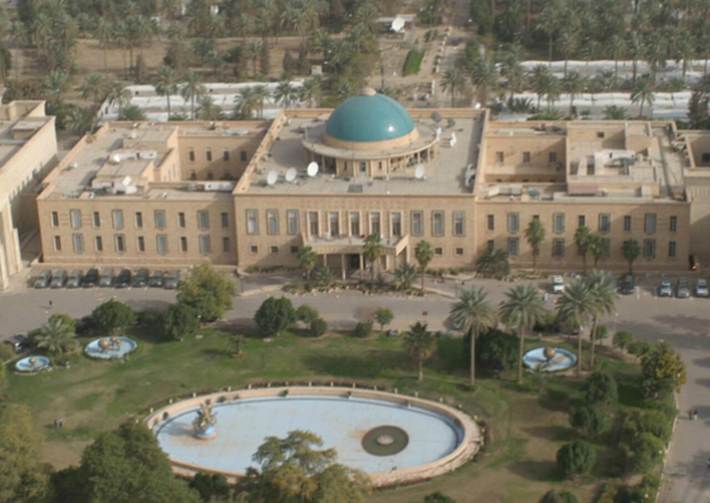
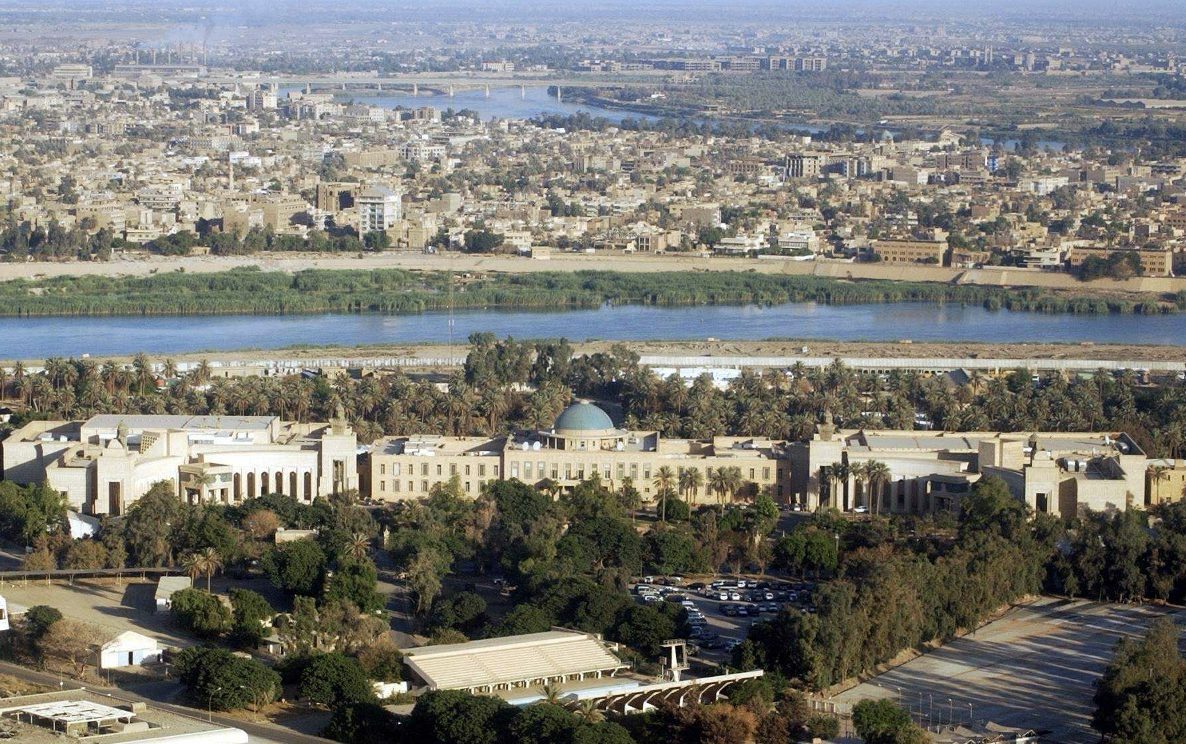
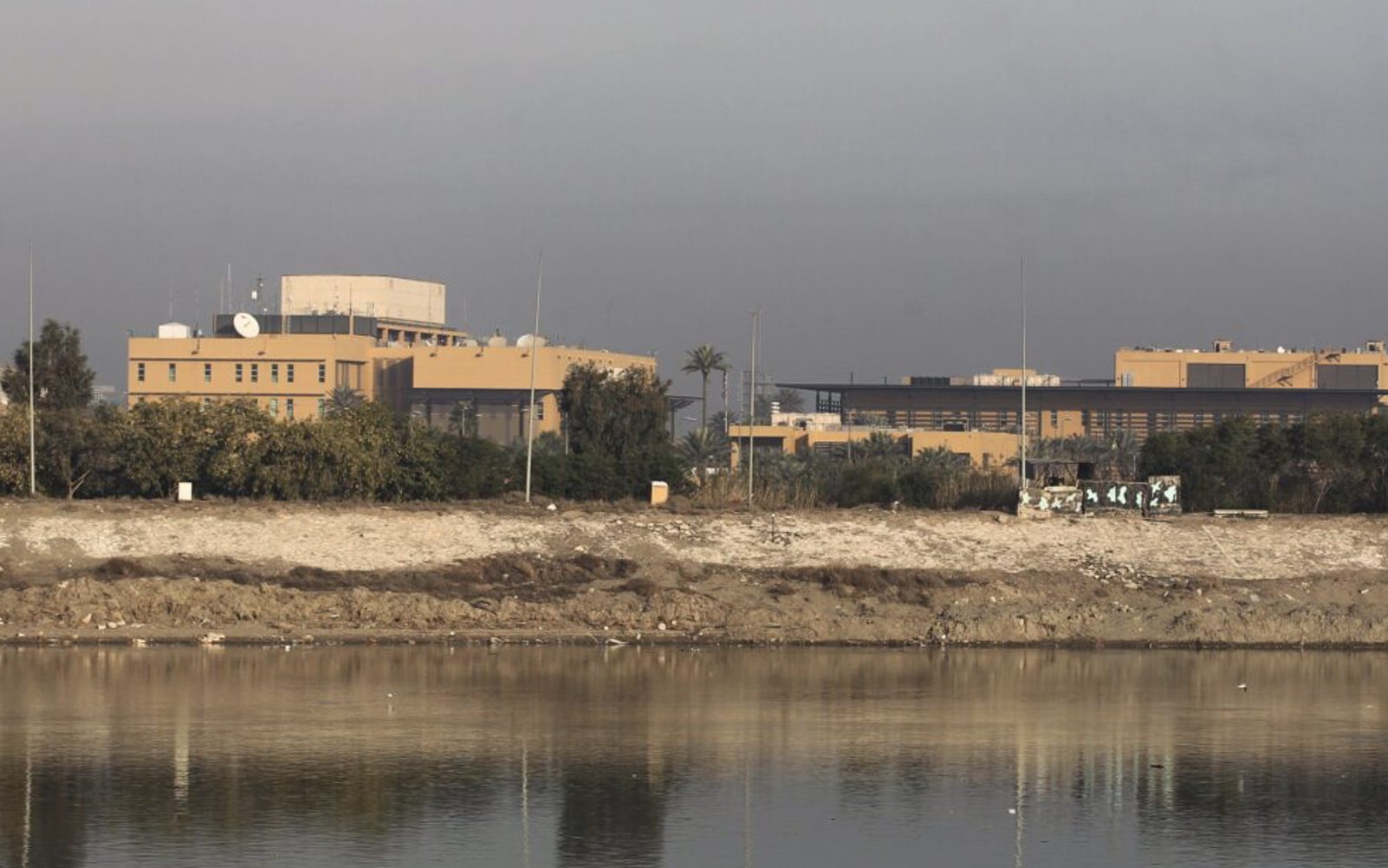
     ORHA and CPA – We set up shop with the rest of ORHA at the Palace, Saddam’s garish palatial monstrosity located on the Tigris River next door to the palace of Uday, his sadistic son.

Saddam’s Palace in the Green Zone, Baghdad

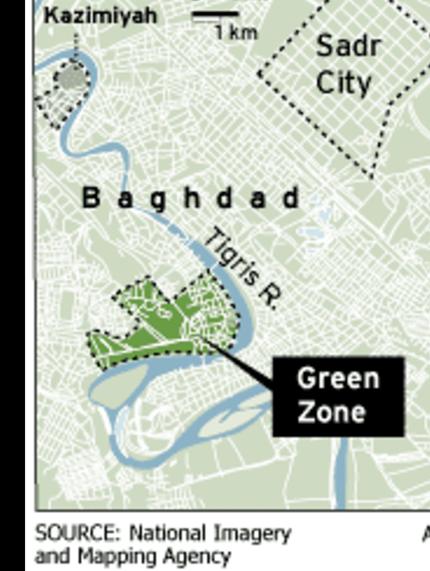
This secure area became known as the “Green Zone”.

Map of the Green Zone


The Army Corps of Engineers (USACE) supported the USAID reconstruction program by providing an outstanding team of officers and civilian engineers for the Owner’s Engineer role overseeing contractual compliance and quality of design and workmanship. Bechtel’s first task was to propose an infrastructure reconstruction program by mid-June for all sectors except the oil industry that was separately handled by a USACE task force. We had to determine needs and prioritize them across the sectors of power, water & sanitation, telecoms, schools, health clinics, Umm Qasr seaport, and the Baghdad International Airport.

     Two Major Mistakes – In April, we learned that ORHA and Jay Garner would be replaced by Amb. L. Paul Bremer, head of the newly created occupation governing body, the Coalition Provisional Authority (CPA). In mid-March before our departure to Kuwait, Jay had told the President and National Security Council that it would be a huge mistake to disband the Iraqi Army and to fire all Ba’athist party members, most of whom were the technocrats running the government. He ended by saying that if that was what they wanted, he was not their guy. So, it was no surprise 4 weeks later when Secretary of Defense Donald Rumsfeld called to say that Amb. Bremer and CPA were taking over.

     New CPA staffers – the “true believers” politically connected to the White House – soon arrived in Baghdad and began to enforce what the White House wanted. In mid-May, CPA’s first decree, despite opposition from the US military, was to prohibit any Ba’ath party member from working in the new government and ministries; up to 100,000 well-educated Sunni individuals were out of a job. In late May, again against the recommendations of the US military, CPA disbanded the Iraqi Army, thus alienating several hundred thousand soldiers and setting the stage for the formation of al-Qaeda in Iraq that later became ISIS.

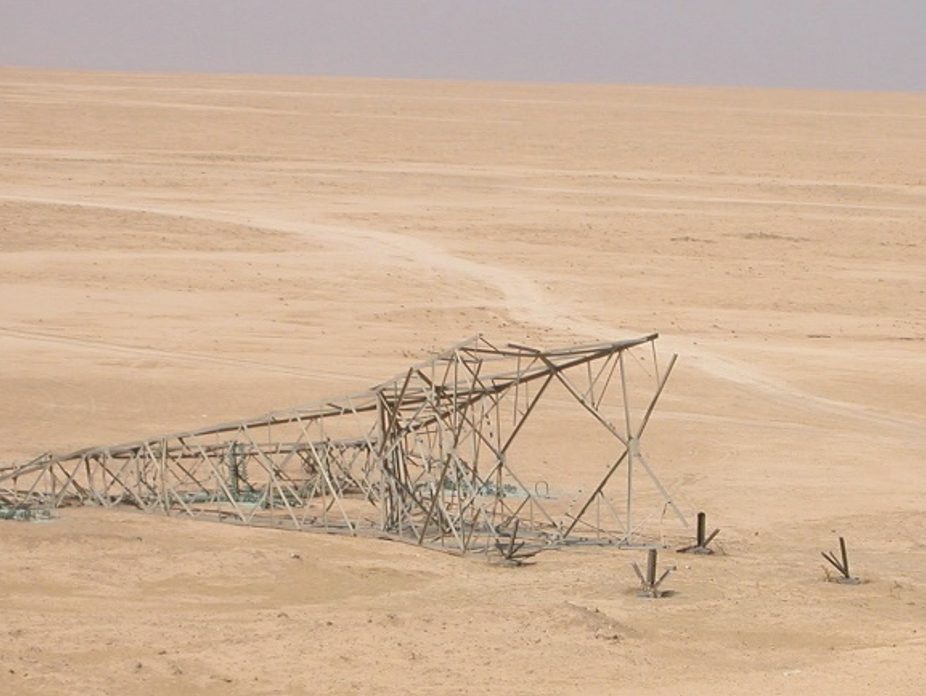
     Chaos Rules – Meanwhile, chaos was erupting across Iraq as gangs and ordinary citizens looted and plundered Ministry office and infrastructure facilities. Coalition forces could only secure oil facilities, power plants, and the airport. In mid-April at the end of hostilities, there were only 14 high-voltage transmission towers damaged from the fighting. By mid-July there were more than 600 towers destroyed as well-organized gangs harvested the copper for sale to Iran. All the major water treatment and sanitation plants in major cities were vandalized as gangs took everything – generators, office equipment, etc.

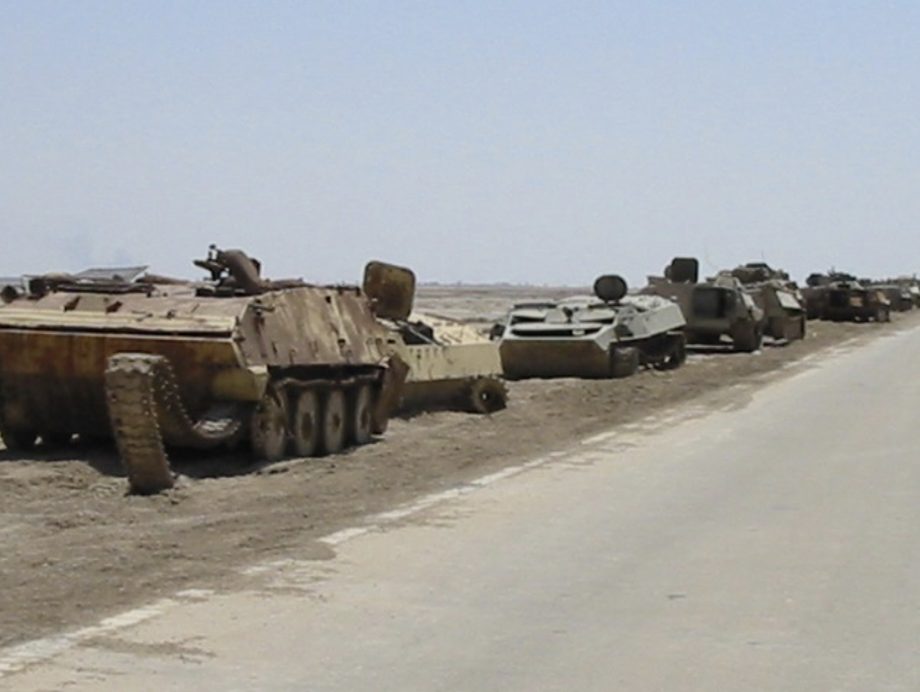
Destroyed Iraqi Armored Vehicles

The power generation sector was in shambles from years of neglect and deferred maintenance. Out of roughly 11,000 megawatts (MW) of installed generator capacity, at the most it could only provide 4,400 MW, an efficiency of under 40%, and usually it was much less. Preventive maintenance was not enforced, and spare parts were hoarded. Plant staff were afraid for their livelihood and lives if Saddam became upset when power levels dropped because a generator had to be shut down for maintenance. Instead, they rewired systems to bypass alarms so that when a generator finally gave out, they would be able to say, “It was God’s Will.” Needless to say, rolling blackouts were the norm because the power system could only provide half of the estimated demand of 7,000 MW. CPA made an important decision that power-rationing would be shared equitably across Iraq unlike under Saddam where Baghdad received 20-24 hours per day at the expense of the rest of the country that only received 2-8 hours a day.

     Looting also significantly damaged the national and regional control centers that were essential to managing the power system. Communication between the control centers, power stations, and switchyards was only restored after Coalition forces distributed satellite phones to Iraqi managers around the country. Looters also helped themselves to warehouses of arms and ammunition.

Looted Transmission Tower

CJTF-7, the Coalition military headquarters, simply did not have enough troops to guard all infrastructure, and the military’s rules of engagement precluded them from initiating deadly force to deter these gangs even if troops did come upon acts of looting. CPA and the Iraqis could only watch in frustration as the system was dismantled. I estimate that the Coalition’s inability to stop the looting probably doubled or tripled the cost of rebuilding the power sector.

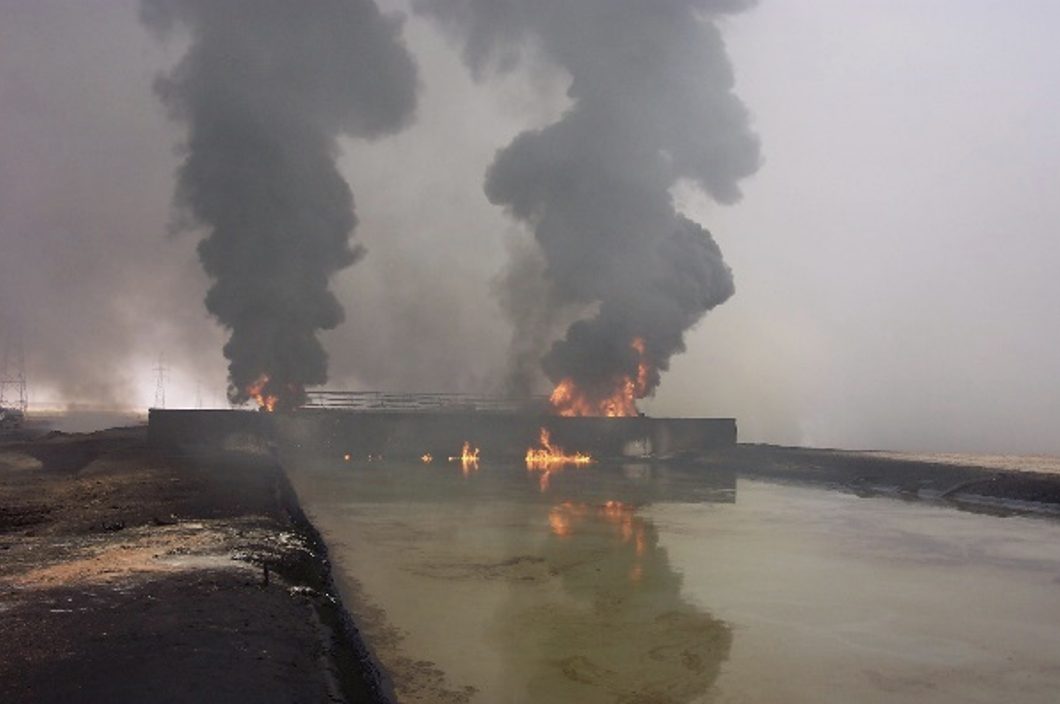
Burning Government Building in Iraq

Reconstruction underway – By July 2003, the USAID reconstruction plan prepared by Bechtel was approved. 50% of the funding went to the power sector to repair transmission lines and increase generation of electricity. Other major projects were rebuilding water and sanitation facilities in Baghdad and other major cities; reopening Umm Qasr port near Basra so that imported grain shipments could resume; rebuilding three major bridges damaged during the conflict; and refurbishing primary schools and health clinics. As the general contractor, Bechtel did an excellent job of mobilizing to Baghdad, conducting assessments, preparing the reconstruction plan, recruiting and building capacity of local Iraqi staff and construction companies, and providing quality control on construction sites. But the scale of what needed to be done was only now coming into focus: Congress approved appropriations of $20 billion for reconstruction work that would fall under CPA authority and be implemented by USACE.

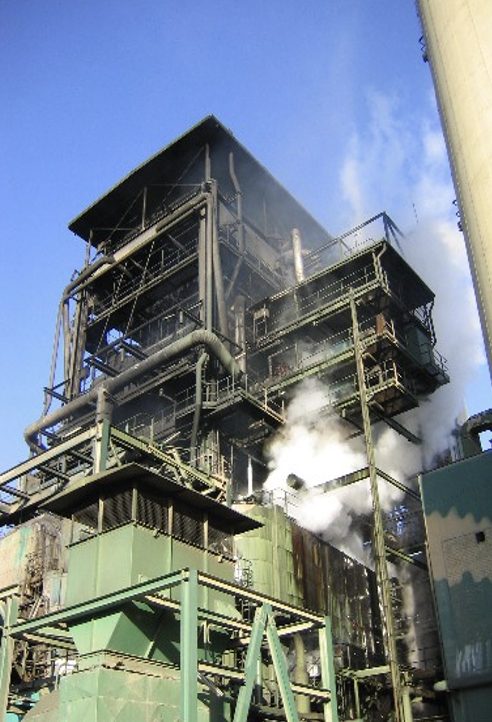
Doura Power Plant

Written by Suzanne Rice · Categorized: By Tom Wheelock

Feb 27 2025

Hamilton – Attempted Murder – 1970

        When I arrived in Vietnam in August 1970, I was relatively clueless about a phenomenon that had infected Army units there, one that was unique to Vietnam in its scope and impact.  Something I had not learned about at West Point or Ranger School and for which I was totally unprepared. A phenomenon that had become so common that soldiers in Vietnam had even given it a unique nickname, “fragging”.

      “Fragging” was the practice of using a fragmentation grenade to wound, kill, or send a strong message to a U.S. military officer or NCO. The perpetrators were most often young, enlisted men angry about serving in a war that was highly unpopular back home and feeling no loyalty to leaders who were constantly coming and going as Army units were being withdrawn from Vietnam. 

M61 Fragmentation Grenade

The victims were most often junior officers and NCOs, referred to disparagingly as “lifers” because they were perceived as being overly aggressive in conducting combat operations or enforcing Army discipline. The weapon of choice in such assaults was the fragmentation grenade, which was easily accessible to most soldiers and could not be traced back to the user. There were more than 900 confirmed fraggings in Vietnam during the period 1969 to 1973, the only years official records were kept. I was one of those fragged.   

         I was in my second month serving as the night duty officer for the tactical operations center (TOC) of the 1st Battalion 503rd Infantry 173rd Airborne Brigade when my boss, the battalion operations officer, walked in the door. “John, I need to speak with you in private. Stop by my office after you complete the morning debrief for the battalion staff.” Major Needham was on his second Vietnam tour with the 173rd Airborne Brigade and was highly respected by the brigade leadership. When I arrived at his office, he got right to the point. “E Troop, 17th Cavalry has some significant discipline problems, and a more experienced leader recently replaced the troop commander. A new and very seasoned first sergeant will be arriving soon from the 101st Airborne. You are being reassigned as the troop executive officer. I recommended you. I know you will do well in this job, but you will be very challenged. If you ever need advice or someone to talk to about a problem, don’t hesitate to come see me.” he offered.

           As I left the room, I recalled a conversation I had a month earlier with a classmate who was serving in E Troop.  Chuck Anstrom and I were close friends, having shared an apartment at Fort Riley for six months and traveled to Vietnam together. We had not seen each other since arriving in Vietnam, and he had stopped by the 1st Battalion TOC to visit. Chuck shared with me that his recent troop commander, a member of the West Point Class of 68, had relinquished his command in protest to what he considered a lack of support from his superiors. I knew his former commander well and remembered him as a standout cadet at West Point.  I was disappointed that his military career had taken such a devastating turn. Chuck also told me about our classmate Terry O’Boyle, an E Troop platoon leader who had been killed just a few months earlier. Terry’s track vehicle had exploded from within, killing the entire crew shortly after he had left LZ English on a road march. There was no enemy action involved, leading investigators to conclude that the explosion had been caused by a freak accident or something more sinister. https://thedaysforward.com/semi-final-resting-place/

  E Troop Orderly Room

      On 24 February 1971, I joined E Troop at Landing Zone (LZ) English. When I arrived, I learned the troop was conducting combat operations in An Khe, a half-day drive by jeep. Consequently, my interface with my troop commander would be primarily by radio.  Instead, my immediate boss would be the 173rd Support Battalion commander, who, besides E Troop, had the overwhelming responsibility for the brigade combat engineers, signal, intelligence, maintenance, and supply, as well as all civilians and other personnel living or employed on LZ English. A major, pending promotion to lieutenant colonel, he was a strong leader and someone who truly cared about those he led. He let me know right away what he expected from me. “E Troop has some significant discipline challenges and you and the troop commander and first sergeant are all newly assigned. I expect the three of you to fix the problems there. You have my full support. Please do not hesitate to come to my office when you need help.” He would be true to this promise, as I would learn.

Drugs I Found on a Typical Daily Search

The E Troop area was large, with multiple sandbagged barracks and a large motor pool. The troop orderly room included a communications center in the rear and a single, private bedroom where I slept. One of the first things I observed was that I had almost forty soldiers in the rear, more than a dozen of whom were addicted to drugs and awaiting discharge from the Army.

The Army had no drug treatment program and instead simply gave such soldiers dishonorable discharges and sent them back to society. While awaiting discharge, these undisciplined soldiers may be in the rear for months, guarding the bunker line, filling sandbags, or getting in trouble. One of the soldiers I was now responsible for was addicted to heroin and spent his days passed out in an empty barracks, which he had darkened by covering all the windows. Most of the time, when I spoke with him, he was incoherent. The first sergeant and I conducted regular sweeps of our area for drugs and found them almost every day hidden under a sandbag or in the latrine or other common area. There was little else we could do besides keep our problem soldiers busy and hope their dishonorable discharge would be quickly approved and they would be returned to the States.

             On the afternoon of 16 March, I was surprised to see a South Korean major in a flight uniform standing at my orderly room door. The first sergeant said he wanted to see me about a matter involving one of our soldiers. In near-perfect English, the major explained that he was a helicopter pilot and that he had flown into our LZ landing pad. “One of your soldiers, named Ward**, approached me and started a conversation,” he said. “He was admiring my Chicom pistol and asked if he could show it to his friends while I refueled. I watched him enter one of your barracks, but he never returned with the pistol”. As I stared at the major, I wanted to say, “How could you be so foolish?” but I didn’t. He was a senior officer from an allied nation. I didn’t feel I could ignore his complaint.

       The first sergeant and I went to the barracks where PFC Ward and a half dozen other soldiers were resting. I had been the executive officer for less than a month, and the first sergeant had to point Ward out to me. He was a tall, thin soldier, only nineteen years old. I announced why I was there and questioned him in detail. With a smirk on his face and playing up to his fellow soldiers, he denied knowing anything about the missing weapon. I searched his belongings and the bunks nearby and found nothing. Back in the orderly room, I told the Korean major, “We have not found your pistol, and I have no evidence to allow me to take any action against Private Ward.” The major left, and I assumed that was the end of the matter, but I was wrong.

        I was sleeping in my room adjacent to the orderly room that night when an explosion awakened me. The air in my room was full of the distinct odor of military explosives. I noticed a large hole in the floor near the foot of my bunk, and my first thought was that an enemy mortar round had hit the orderly room. I quickly slipped on my fatigues and boots, grabbed my flak jacket and rife, and ran outside. The first sergeant was organizing our soldiers, expecting that we were under attack and needed to head to our assigned bunkers on the perimeter of the LZ. As we stood there, he looked down at me and said, “Sir, you have been hit. Blood is running down your legs.” In my excitement, I was feeling no pain and had not noticed my wounds. My jeep driver immediately took me to the aid station, where I was evacuated by helicopter to the military hospital in Qui Nhon; There, surgery was performed to remove multiple fragments from my ankles. It was not until my troop commander visited me a few days later that I learned that I had been fragged and that Private Ward had been arrested and charged with attempted murder. Those words shocked me. Had a soldier in the United States Army who hardly knew me tried to take my life over a souvenir pistol?  I returned to duty a few weeks later, but it was almost two months before I learned the answer to that question.

       In May, the first sergeant and I, as well as a half dozen of our soldiers scheduled to testify, flew to Da Nang for the trial of Private Ward. For the first time, I learned what happened that day in March. Several soldiers in the barracks that day testified that as I was stepping out after my search for the stolen pistol, one of Ward’s friends had whispered, “Something needs to be done about that, Lieutenant,” to which Ward had quietly responded, “Frag Out,”  A young sergeant testified that he was the duty NCO for the bunker guard and Ward was one of the soldiers on bunker duty that night. Ward had taken a break to go to the latrine, and several minutes later, a loud explosion had been heard. The attack alarm for the entire LZ had been sounded and Ward had come running back into his bunker. Later, Ward could not account for one of the grenades he had been issued. Ward himself did not testify, but the prosecutor suggested that Ward had walked the short distance from the latrine to the orderly room where I was sleeping, removed a few sandbags, and tossed the grenade under my quarters, clearly with the intent to kill or wound me. The court martial found Ward guilty and sentenced him to nine years in prison for his crime. He was from the Midwest and would be returning there, not to his family but to prison in Leavenworth, Kansas.

       Fraggings in Vietnam were incredibly hard to prove, as a grenade thrown into a leader’s armored vehicle or a foxhole might also be the result of enemy action. By one estimate, in addition to the more than 900 officers and NCOs wounded or killed in known fragging incidents, another 1,400 died under mysterious circumstances, my classmate Terry O’Boyle being one of them. It is estimated that fewer than 10% of those who tried to kill their leaders were ever caught, tried, and convicted.

      In response to the attempt on my life, the pace at which problem soldiers in the 173rd were discharged improved dramatically. By the time, I returned from the hospital, all the E Troop soldiers pending discharge for drug use were gone. The final five months of my time as a troop executive officer were challenging but without any major incidents.

      In August 1971, the 173rd Airborne Brigade, the first major combat unit deployed in the Vietnam War, folded its colors and returned to the States. More than a dozen classmates and I returned that same month as the very last officers to serve in the 173rd in Vietnam.  Our war was over.

Departing Tan Son Nhut Airport

** Ward is a pseudonym.

Written by Suzanne Rice · Categorized: By John Hamilton

Jan 29 2025

Operation Just Cause – A Combat Parachute Jump – 1989

December 20 1989, in flight at approximately 0205 hours local time and about to penetrate Panamanian airspace, uninvited: “The Drop Zone is hot! Make your mommas proud!” 

     Karl Johnson (USMA 1972) announced those words over the loudspeaker of the C-141 carrying 120 of us paratroopers. I really was going to be a member of a combat parachute assault force directed against a hostile enemy, something I had not imagined only thirty-five hours before, let alone in my career.

     This would be my first-ever direct involvement in combat, after over twenty years on active duty. It was also to be my first parachute jump in just two weeks shy of twenty years, as well as my first true night jump.

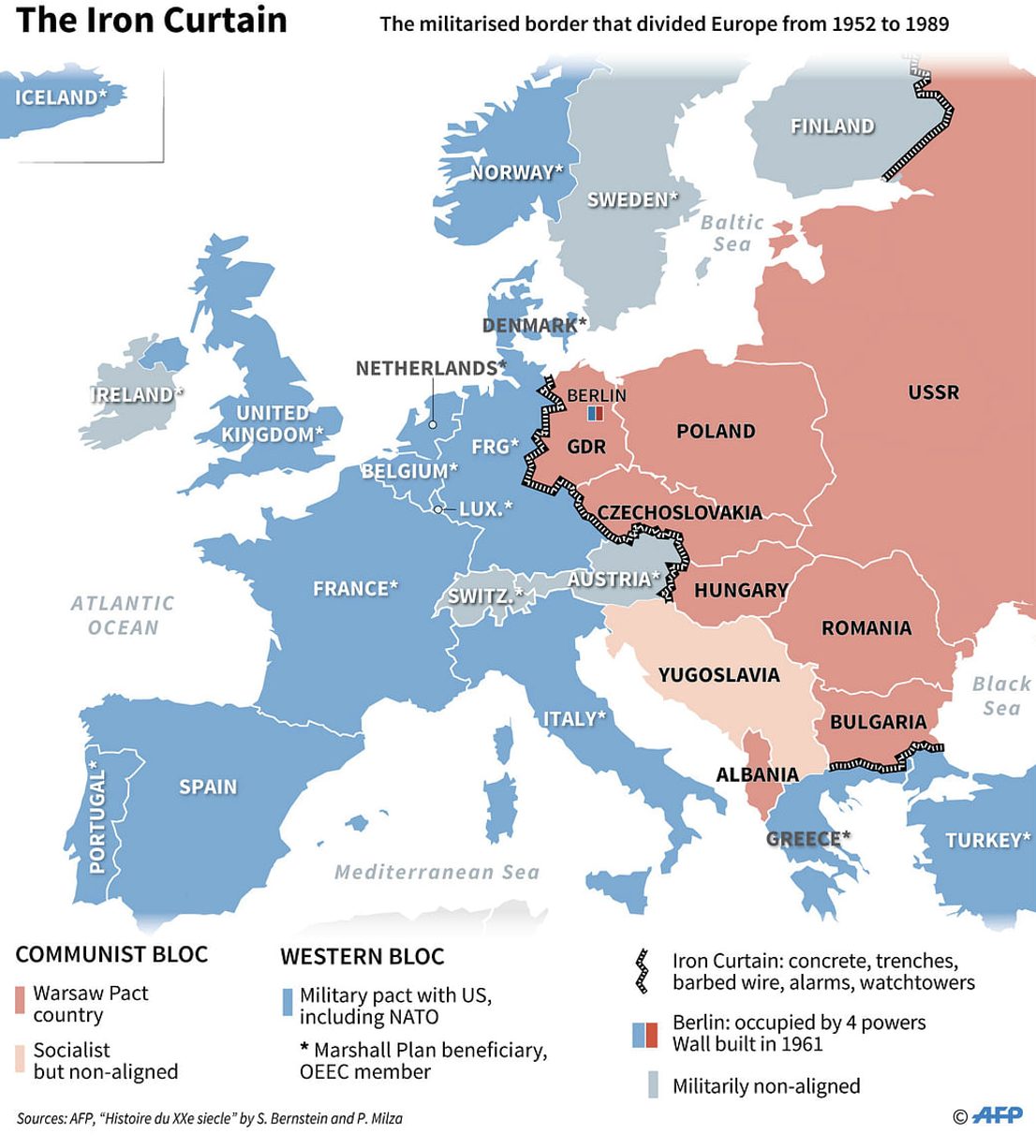
     I had started my career as a platoon leader in the Second Cavalry Regiment doing border patrols on the Iron Curtain opposite Communist nations East Germany and Czechoslovakia, then serving for a year as Regimental Plans Officer in Regimental Headquarters.

I transferred to the Medical Department in 1971 to enter medical school under sponsorship by the Surgeon General’s Office, remaining in the Medical Corps thereafter as a fully trained general surgeon.

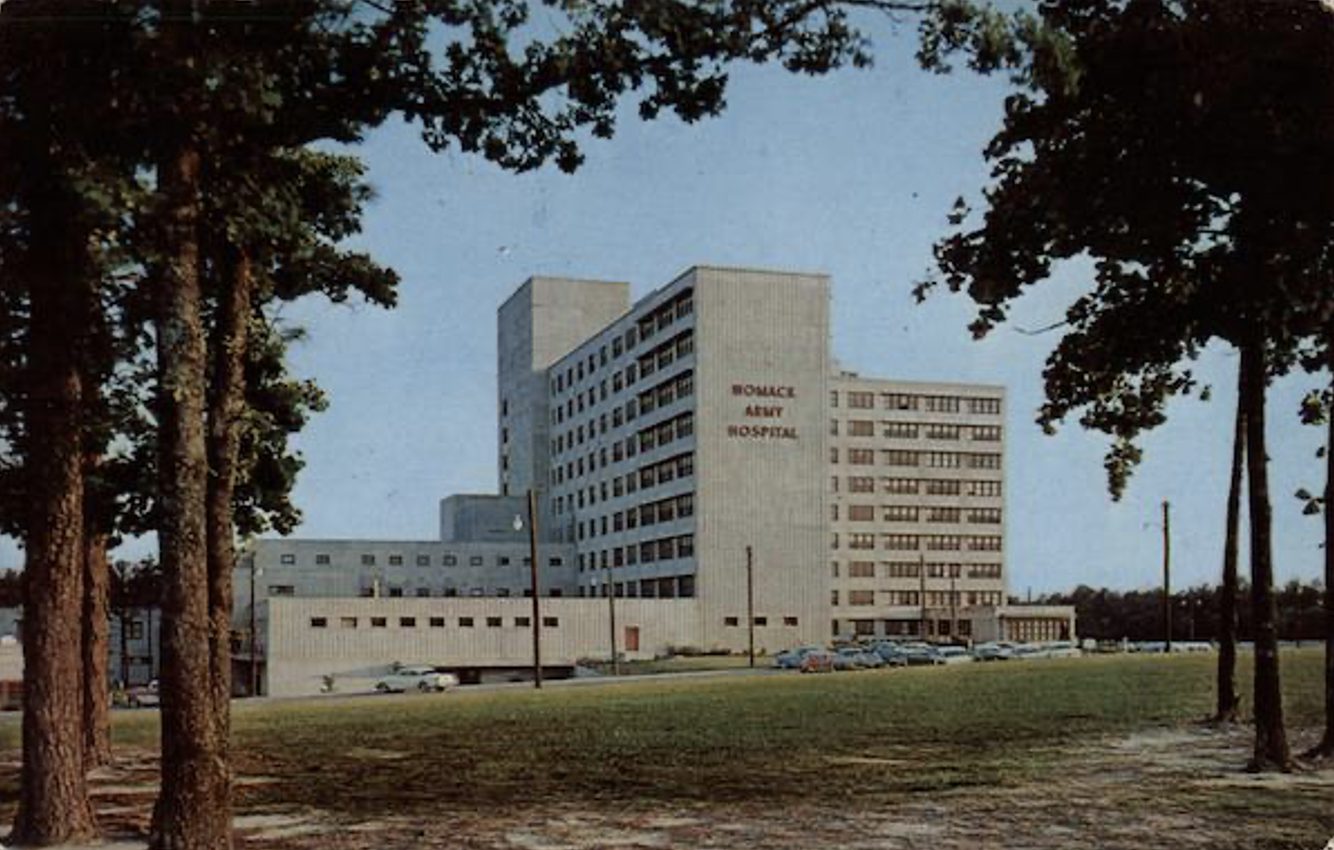
     For me the lead-up to that December morning began the previous August when I reported to Womack Army Hospital at Fort Bragg NC, as Chief of Surgery.

Womack Army Hospital Where Hugh was Chief of Surgery

 During that autumn, busy as I was with affairs in the hospital, I was not aware of activity occurring on post. One of my surgeons working with the 44th Medical Brigade once commented on how uptight people were there, more so than usual, that “something was going on”. I didn’t give it much thought.

     In early December the hospital commander called me into his office. After asking me about the Professional Filler (PROFIS) assignments of my surgeons, he asked me if I would agree to change my own PROFIS assignment from the 44th Medical Brigade instead to the 307th Medical Battalion of the 82nd Airborne Division. The 307th Med was to provide needed medical support for any division missions or exercises. I knew he would not be asking me to volunteer unless it was important, so I said yes without knowing all it might entail. Being parachute-qualified already, I did not see a problem. Shortly after that I met the Battalion Commanding Officer (CO), was issued my field equipment, and waited to participate in a refresher parachute jump to be officially placed on parachute status. I thought that the jump would be a gut check rather than an operational requirement, and that medical assets would be flown in.

Silly me.

     Later that month events in Panama approached a climax. US Southern Command (SOUTHCOM) had prepared a plan to invade Panama in January 1990. On Sunday December 17th, however, the assault was ordered ASAP by President Bush in response to even more elevated and now deadly hostility directed by Panamanian Defense Forces (PDF) against Americans. Operation JUST CAUSE now moved forward to execution.

     On Monday at about 1 PM I was called by the 307th’s Executive Officer: “Be at Battalion at 1500 hours (3 PM) with your rucksack.” I went home to pack up my gear. My wife was visiting her ailing father in Charlotte NC. The only family at home was my 11-year-old daughter, just out of school. She showed that day the toughness and resilience typical of Army Brats and has proven to be a tough individual as she has grown. I hugged her tightly, as she did me. “I don’t know where I am going or for how long,” I told her. “Just tell your mom to keep an eye on CNN”.

     At 1505 hours, the CO announced, “We’re jumping into Panama tomorrow night.” My initial reaction was shock, followed immediately by awareness that this deployment was to be a combat mission. My advice to self: Be calm, be alert, listen to wisdom from experienced field medics and other soldiers.

     The barracks had been locked down at 1500 hours, all communication to the outside cut. There would be no time for a refresher jump.  I was issued my sidearm (a 9mm pistol), and we moved to the holding area beside Green Ramp, the staging area for Army airborne operations at next-door Pope Air Force Base.

     The 82nd Airborne’s part of JUST CAUSE fell to the Division Ready Brigade (DRB). In January that would have been the 2nd Brigade Combat Team, but with the new timetable the current DRB, the 1st Brigade Combat Team based on the 504th Parachute Infantry Regiment (504th PIR) got the call. I was now to see firsthand why constant training by Rapid Deployment Forces would prove critical.

     As the brigade made final preparations for the jump, a mission unexpectedly thrust upon them, I marveled at how smoothly so much preparation went into the short time before departure. Much was standard procedure to prepare for a parachute jump, giving time to the DRB to prepare the details of this specific mission.  At the operations Quonset Hut in the holding area, I met the brigade commander. This would be his second combat jump, the first as a Ranger into Grenada in 1983. He was a calm leader, setting a tone of confidence for the brigade.

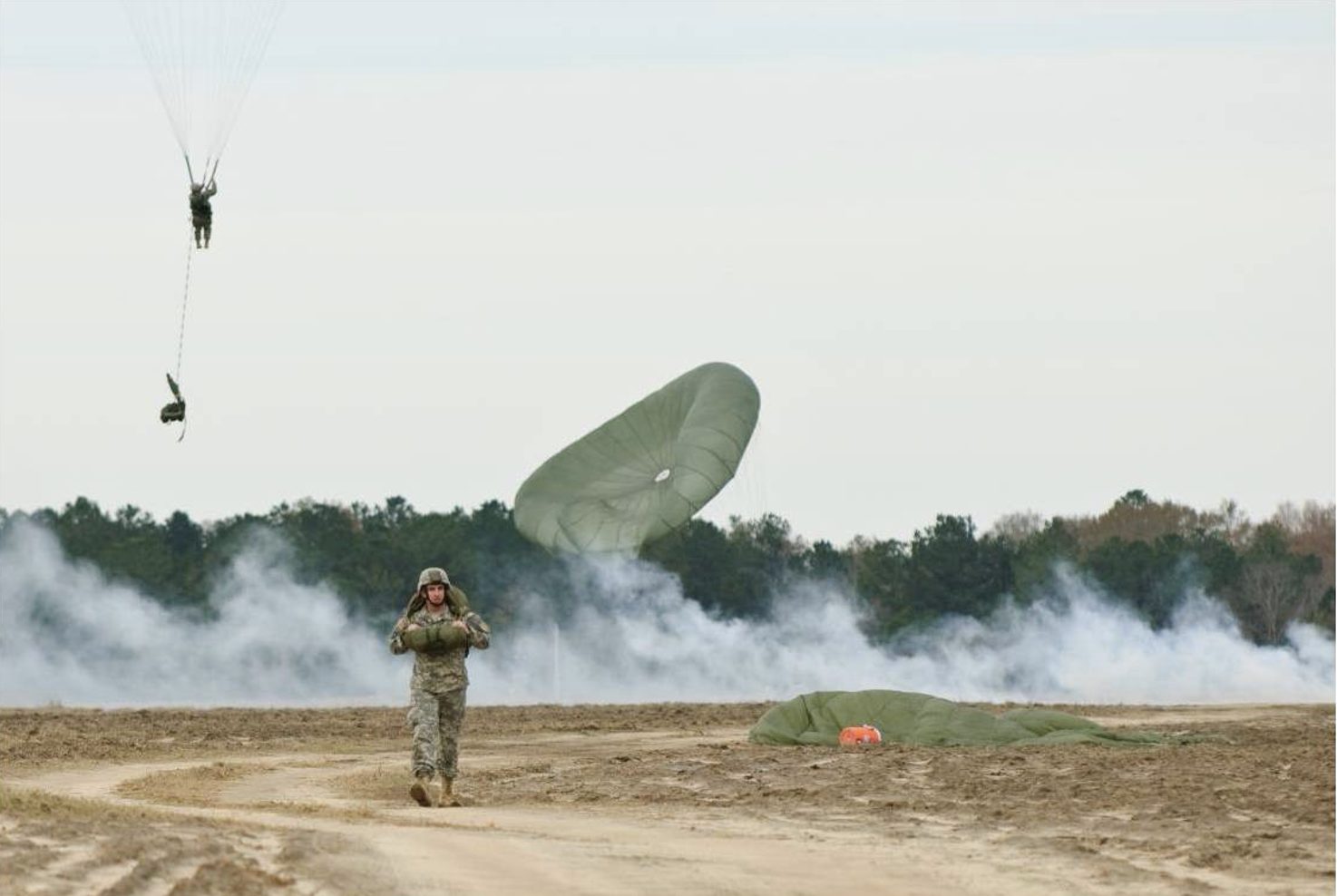
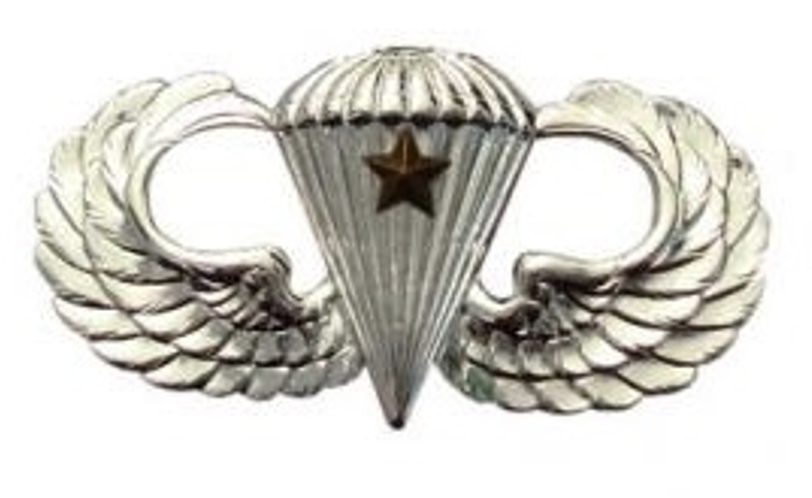
 Basic Parachutist Badge

     I was grateful for that – as I entered the hut, I passed 504th PIR company commanders giving orders to their platoon leaders. I was struck when I heard “The use of deadly force has been authorized” spoken by what appeared to be high school seniors speaking to their assembled teams of freshmen. I realized that this forty-three-year-old was going into combat with men barely out of their teens, some even still there. It has been ever so that nations put their youth at the tip of the spear when they go to war.

     Other images still come to mind: We periodically retreated into tents in the holding area, to avoid detection by Soviet satellites passing overhead, that might provide actionable intelligence to the PDF. We placed glint tape straps around our left arms and a glint patch on the top of our Kevlar helmets. The PDF wore the same BDUs as we, so after we were on the ground the tapes would reflect projected infrared light to identify us to Special Operations air assets as “friendlies” to help avoid friendly fire incidents. The use of the word help as a non-inclusive term didn’t give me too much comfort.

      Nearing departure time, we moved to Green Ramp to draw and don parachutes, and await take-off. My first question upon receiving my parachute was “Where’s the punch button on the harness?” The jumpmaster asked me when was the last time I jumped, and slowly shook his head when I answered almost twenty years. The Army fortunately had updated the harness to a safer one since then.  

     There I met Karl Johnson, the Brigade S-3. We both recognized each other from cadet days in company D-4. I commented “I hope I didn’t haze you so much then that you’re going to get back at me now.” He laughed and assured me that wouldn’t happen. Who was I to argue?

     We took off in the first of several echelons rather than as a single sortie, at about 2000 hours (8 pm) on December 19th. North Carolina was caught in a sleet and ice storm. Commercial de-icing equipment was brought in to prepare aircraft for flight but limited the number ready to take off at any one time. We flew cramped together, fully rigged up in our parachutes and combat gear for six hours before the jump.

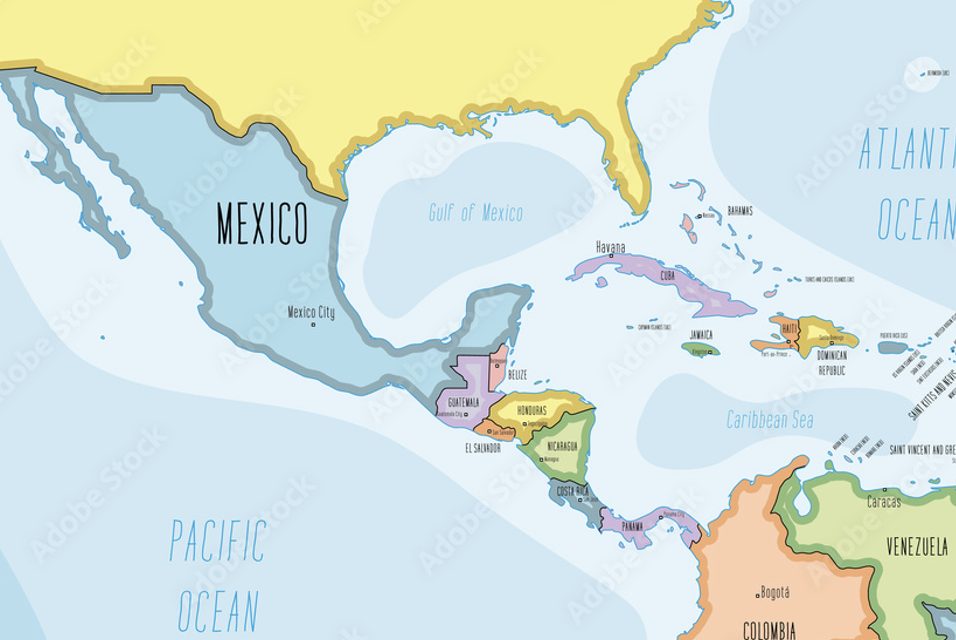
From Ft. Bragg to Panama

     Karl’s warning at 0205 was a definite call to be alert. The airport was not yet secured, and a firefight in the airport terminal was ongoing. The Green light signal to begin jumping went on at 0211. I was at the center of the line of paratroopers to be dropped down the civilian runway of Torrijos-Tocumen International Airport. …. Well, that was the plan. Ground fire led the line of aircraft to be diverted several hundred meters east. We were dropped at an exit altitude under 500 feet into the swamp beyond the end of the runway.

     The sight that greeted me after my parachute’s full canopy deployment made me think a terrible mistake had been made: the trailing aircraft were flying BELOW the aircraft leading them! A quick mental calculation led me to conclude I would be colliding with the plane I saw. But as I looked on in horror and watched the C-141 appear to hit paratroopers who jumped before me, I saw they continued floating downward as if nothing had happened. I soon realized my mistake – I was only viewing the moonlit shadows of trailing aircraft on a wispy cloud layer below jump height, a layer so slight that it could only be seen when near or descending through it. One of the vagaries of night parachute jumping they had not told me about ….

     After landing I focused on my mission to care for casualties. I heard gunfire to the southwest at the civilian airport terminal. Our medical team was to set up the Casualty Collection Point in it or right next to it.

     So … march to the sound of the guns! I joined other paratroopers doing the same. We separated once we reached the airport runway, to seek the assembly areas of our respective units.

    In those thirty-five hours before the jump and in the several days afterward I experienced firsthand a well-trained and well-led combat unit. I am reminded of the Jewish-Roman historian Josephus’ observation of the Roman legions: “Their drills were bloodless combat and their combat bloody drills”. Our success was a tribute to our training, to our motivation and to our loyalty to each other.

     I can well summarize my thoughts and my experience in 1989 under our West Point motto:

Duty – Take care of soldiers, wherever they need care. Twenty years of training, eighteen in the medical field, had prepared me for that moment.

Honor – I had been preaching for many years the message that the AMEDD needs to pay more attention to taking care of soldiers in the field. I was suddenly given just that opportunity. To back away from my outspoken commitment to field medical care would have been more than hypocritical, it would have been cowardly.

Country – I was a soldier before I was a surgeon. I saw how I had internalized the soldier’s ethic: I will go where I am sent. Where I go, I will accomplish my mission.

I was privileged to be part of the 82nd Airborne Division for Operation Just Cause.

I was gratified that all my training and work had prepared me for that moment.

I was humbled that people far wiser than I had put in place regimens, training and drills that allowed me to step up and perform in a manner that had become ingrained.

Dr. Donohue on Operation Just Cause

Written by Suzanne Rice · Categorized: By Hugh Donohue

Jan 12 2025

10th Anniversary Legacy – Our History

Preserving our history and legacy is something that may not mean a lot to us now, but in a few years and hopefully, for our children and grandchildren, it can be a wonderfully enriching resource.

Written by Suzanne Rice · Categorized: Bob Ivany, The Days Forward 10th Anniversary

Jan 10 2025

10th Anniversary Thoughts – Reflecting the Generations

the long grey line

Over the last ten years, The Days Forward has gathered a tremendous number of stories. These stories are as unique as their authors. To our authors: thank you. The Days Forward could not, and would not, exist without you.

At another level, however, their stories echo across eras. The stories of friendship, of families separated, of danger, and of joy in survival, service, and reunion would be as familiar to veterans of the First World War as they are to those who waged the Global War on Terror. In time, every class produces its war heroes, its quiet workers, its exhausted fathers and mothers, its unknown servants, and its famed leaders. To our readers, then: enjoy the opportunity to look not only into one class’s past, but into all of our futures. You will see these characters again in different forms, striding the future’s battlefields, or – just maybe, walking down the sidewalk.

Written by Suzanne Rice · Categorized: By Chris Rice, The Days Forward 10th Anniversary

  • « Go to Previous Page
  • Page 1
  • Page 2
  • Page 3
  • Page 4
  • Page 5
  • Interim pages omitted …
  • Page 49
  • Go to Next Page »

Footer

Historians and other inquiries.

Submit a Form

Join our community.
Subscribe to Our Bulletin

Copyright © 2026 · Site by RK Studios